High-Protein Meal Plan for Seniors With Low Appetite
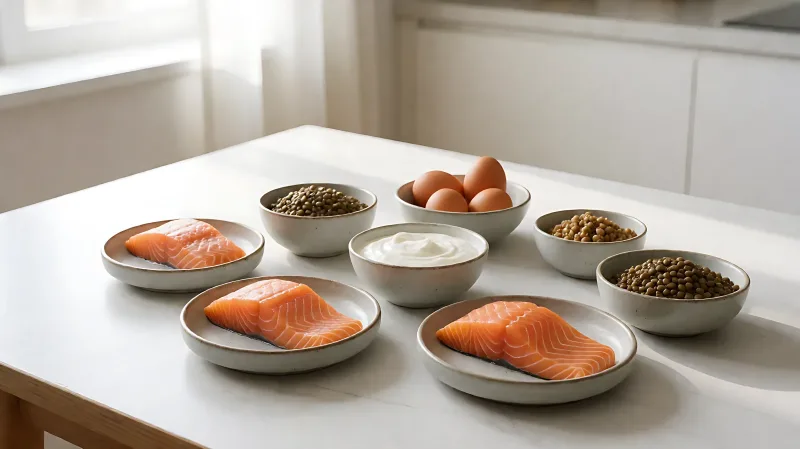
Older adults with reduced appetites often struggle to meet protein needs. This guide outlines a realistic weekly plan using smaller portions, varied sources, and nutrient-dense foods to preserve strength.
To plan a week of high-protein meals for a senior with low appetite, focus on smaller, frequent protein portions spread across four or five eating sessions. The National Institute on Aging advises that older adults should include protein at every meal to support muscle retention. By choosing palatable, easily digestible sources like eggs, Greek yogurt, and soft legumes, you can meet the recommended daily intake of 1 to 1.2 grams of protein per kilogram of body weight without overwhelming a reduced stomach capacity.
Why Protein Needs Increase With Age
As adults enter their sixties and seventies, the body becomes less efficient at processing protein. This phenomenon, known as anabolic resistance, means that older muscles require a higher dose of protein to trigger the same repair process that younger muscles would achieve with less. According to Cleveland Clinic data, adults who do not engage in regular strength training can lose between four and six pounds of muscle mass per decade. This condition is called sarcopenia. For seniors, maintaining this mass is critical for mobility, balance, and independence. A senior weighing 70 kilograms should aim for approximately 70 to 84 grams of protein daily. However, if appetite is low, forcing large plates is counterproductive. Instead, the strategy shifts to high-density nutrition in small bites.
How to Structure a Week for Low Appetite
The key to success is consistency rather than volume. The US Department of Agriculture recommends that older adults plan meals in advance to reduce decision fatigue. For a senior with a small appetite, the traditional three large meals may feel daunting. A better approach is to break the day into five smaller intake sessions. This includes breakfast, a mid-morning snack, lunch, an afternoon snack, and dinner. Each session should feature a distinct protein source to prevent flavor fatigue. You can also leverage the body's ability to absorb protein while sleeping. Research indicates that a protein-rich snack before bed supports tissue repair during the night. This can be as simple as a small cup of cottage cheese or a protein smoothie.
What Are the Best Protein Sources for Small Portions?
When portions are small, the protein density of the food matters more. Lean animal proteins and fortified plant sources are ideal. The following list provides high-value options that are generally easy to chew and digest for older adults:
- Eggs: A versatile and cheap source that can be added to many dishes.
- Greek Yogurt: Contains roughly twice the protein of regular yogurt and pairs well with fruit.
- Legumes: Lentils and chickpeas offer plant-based protein and fiber.
- Flaky Fish: Cod, sea bass, and salmon are soft and easy to digest.
- Nut Butters: Peanut or almond butter spreads can add calories and protein to toast.
A Sample Weekly Meal Plan
The following plan is designed for a 70-kilogram senior aiming for approximately 75 grams of protein per day. It focuses on variety and ease of preparation. Portions are intentionally small to accommodate low appetite. You should adjust quantities based on individual taste and tolerance.
| Day | Breakfast | Mid-Morning Snack | Lunch | Afternoon Snack | Dinner |
|---|---|---|---|---|---|
| Monday | Two poached eggs on whole-grain toast with a small portion of avocado. | One small container of plain Greek yogurt with berries. | Baked salmon fillet with a side of quinoa and steamed broccoli. | Two hard-boiled eggs sliced with lemon pepper. | Chickpea and vegetable soup with a slice of crusty bread. |
| Tuesday | Oatmeal cooked with water or milk, topped with a tablespoon of peanut butter. | A stick of low-salt cheese and a few whole-grain crackers. | Grilled chicken breast salad with mixed greens and cherry tomatoes. | One medium apple sliced with a small portion of almond butter. | Tuna salad made with low-fat cottage cheese on lettuces. |
| Wednesday | Scrambled eggs with a side of fresh fruit. | Protein smoothie made with soy milk, a small banana, and spinach. | Lentil and zucchini curry served with a small portion of brown rice. | A handful of mixed nuts and a piece of fruit. | Lean ground turkey with spaghetti sauce and grated zucchini. |
| Thursday | Yogurt parfait with granola and a drizzle of honey. | Cottage cheese with cucumber slices. | Baked white fish with roasted carrots and sweet potato cubes. | Two whole-grain crackers with a thin layer of hummus. | Tofu stir-fry with soft tofu and colorful vegetables. |
| Friday | Turkey and cheese muffin with a small orange. | A small protein bar or shake. | Chicken and rice bowl with diced avocado and salsa. | Hard-boiled egg and a small cheese cube. | Baked cod with a puree of cauliflower and a side of beans. |
| Saturday | Two eggs folded into spinach and mushrooms. | Yogurt with a tablespoon of chia seeds. | Grilled turkey breast sandwich on whole-wheat bread with lettuce. | Pumpkin seeds and a pear. | Lentil Bolognese sauce over whole-wheat pasta. |
| Sunday | Warm oatmeal with a boiled egg on the side. | Fruit and nuts mix. | Salmon fillet with a potato and green bean side. | Small portion of string cheese and cherry tomatoes. | Roasted chicken breast with steamed asparagus and a small grain salad. |
Practical Tips for Meal Success
Low appetite can sometimes be linked to a diminished sense of smell or taste. The National Institute on Aging suggests using herbs and citrus, such as lemon juice, to enhance flavor without adding sodium. This makes food more appealing without increasing the amount eaten. It is also crucial to stay hydrated. Drinking water between meals can help with digestion, but avoid drinking large amounts of fluid immediately before eating, as this can fill the stomach and reduce appetite further. If swallowing is a challenge, look for softer protein sources like blended soups, mashed fish cakes, or smooth yogurt. Always consult a healthcare provider or registered dietitian before making significant dietary changes, especially if there are underlying kidney or heart conditions.
FAQ
How much protein does a senior really need each day?
Most experts recommend 1 to 1.2 grams of protein per kilogram of body weight. For a senior weighing 70 kilograms, this equals 70 to 84 grams daily. This higher range compared to younger adults helps counteract the natural decline in muscle mass.
What if I cannot eat three full meals?
Break your daily protein requirement into four or five smaller sessions. Include protein-rich snacks like yogurt, nuts, or cottage cheese between main meals. This steady supply of amino acids supports muscle repair without requiring large portion sizes.
Are there plant-based options for low appetite?
Yes. Soft tofu, blended lentil soups, and soy milk shakes are excellent alternatives. They are often easier to digest than tough meats and can be seasoned with familiar flavors to make them more appealing.
When should I see a doctor?
If weight loss exceeds 5 percent of total body weight over three months, or if eating causes pain or choking, contact a healthcare provider immediately. A registered dietitian can create a personalized plan that accounts for specific medical conditions.