Hidden Salt Sources in Packaged Foods for Seniors
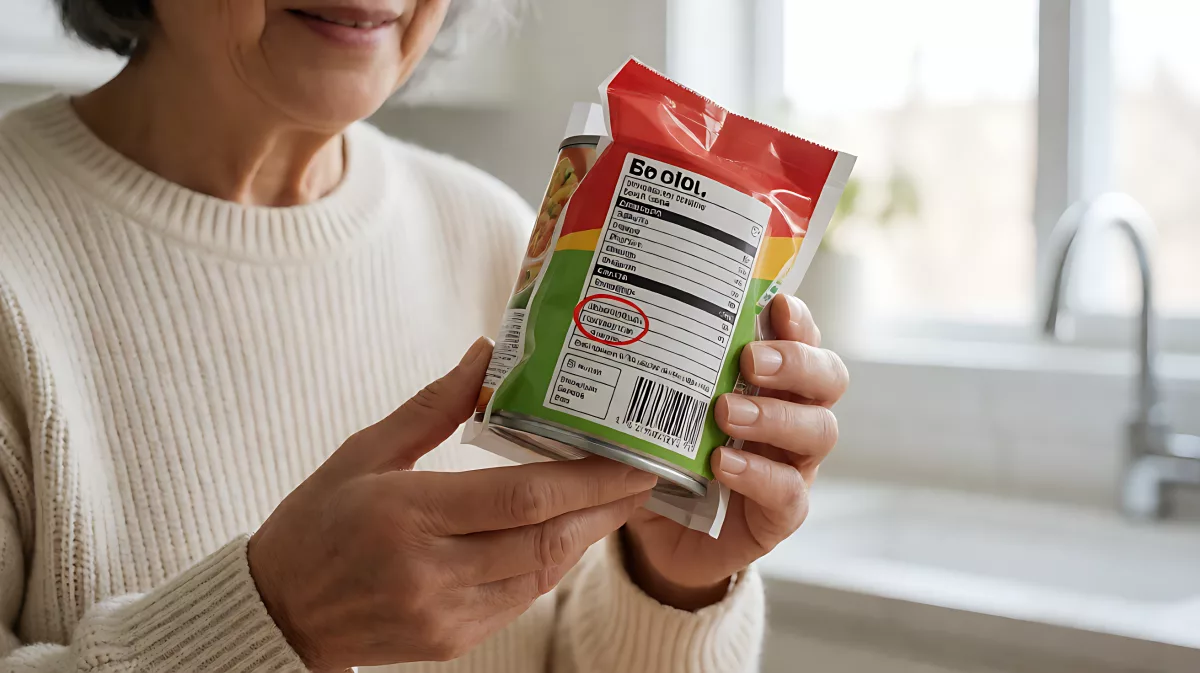
Most adults consume nearly twice the recommended daily sodium limit. This guide explains where hidden salt hides in packaged foods, how to spot misleading labels, and practical tips for seniors to make heart-healthy choices.
Hidden salt in packaged foods accounts for nearly 70% of daily sodium intake, often pushing consumption past the 2,300 mg limit recommended by the CDC. For seniors, monitoring this invisible nutrient is critical, as excessive intake strains heart and kidney function. By decoding label claims and understanding the Percent Daily Value system, you can identify sneaky sources of sodium in everyday grocery items without sacrificing flavor or convenience.
Why Hidden Salt Matters More in Later Life
Sodium is essential for nerve signaling and fluid balance, but the body becomes less efficient at filtering excess sodium as kidneys age. The American Heart Association suggests a stricter limit of 1,500 mg per day for many adults, yet most people consume over 3,400 mg daily. This surplus is rarely from the salt shaker; instead, it comes from processed items where salt acts as a preservative and flavor enhancer. High sodium levels are strongly linked to hypertension, which is a leading risk factor for stroke and heart disease among older adults.
Where Does the Sneakiness Happen?
Not all salt is created equal. While a single teaspoon of table salt contains about 2,300 mg of sodium, manufacturers add sodium through various compounds. Common hidden culprits in the grocery aisle include:
- Canned and Frozen Items: Soups, stews, and vegetables with pre-made sauces. Canning processes often require high sodium levels to preserve texture and flavor.
- Deli and Cured Meats: Ham, turkey, and salami rely on curing and smoking, which involves significant salt levels. Cheese products, particularly hard varieties, also carry high sodium loads.
- Bread and Baked Goods: A single slice of white bread can contain 140 mg or more of sodium. Bagels and crackers are particularly dense in hidden salt.
- Condiments and Sauces: Soy sauce, Worcestershire sauce, ketchup, and salad dressings are flavor powerhouses that deliver a high sodium punch per teaspoon.
- Packaged Snacks and Mixes: Instant mashed potatoes, seasoned rice mixes, and even pudding powders often list sodium as a top ingredient or use it as a preservative.
How to Decode Misleading Label Claims
Front-of-pack marketing terms can be confusing. Regulatory standards allow specific phrases, but they do not guarantee low overall sodium content. Here is how to interpret the fine print:
What does 'Reduced Sodium' actually mean?
According to FDA guidelines, 'Reduced Sodium' indicates the product has 25% less sodium than the original version. If the original item had 500 mg per serving, the 'reduced' version might still contain 375 mg, which is not considered low. Always check the absolute milligram count on the back label rather than relying on the front panel claim.
Is 'No Salt Added' the same as 'Sodium-Free'?
No. 'No Salt Added' means no extra sodium was incorporated during processing, but it does not mean the food is free of sodium. Naturally occurring sodium in ingredients like milk or certain vegetables remains. To be labeled 'Sodium-Free,' a product must contain less than 5 mg per serving. 'Very Low Sodium' products must have 35 mg or less per serving.
How should I interpret 'Low Sodium' claims?
A product can only claim 'Low Sodium' if it contains 140 mg or less per serving. However, if you eat multiple servings, the total can quickly add up. For example, two servings of a 'low sodium' soup might reach 280 mg, contributing significantly to your daily budget if you have other saltier meals.
Practical Strategies for Shopping and Cooking
Adjusting your diet does not require a complete overhaul. Small, consistent changes yield the best results. Start by swapping out high-sodium staples for their lower-salt counterparts. Instead of regular pasta sauce, opt for unsalted or low-sodium versions, and boost flavor with fresh garlic, basil, and lemon juice. When buying canned beans or vegetables, rinse them thoroughly with water to remove surface sodium. This simple step can reduce sodium content by up to 40%.
For home cooking, replace table salt with salt-free herb blends, smoked paprika, or citrus zest. These ingredients provide depth without the sodium spike. If you use flavoring agents, remember that 'garlic salt' is half salt and half flavoring; choosing pure garlic powder or fresh garlic eliminates the hidden sodium entirely.
Tools to Track Your Intake
Manual tracking can be difficult, but technology offers a solution. Newer nutrition apps now include AI-assisted scanning features that recognize portions and identify hidden nutrients like salt, sugar, and fiber. While these tools are not a replacement for label reading, they help visualize daily totals. Look for apps that allow you to set personalized sodium goals based on your specific health needs, rather than just counting calories.
Frequently Asked Questions
How much sodium is safe for a senior to consume daily?
The CDC recommends a maximum of 2,300 mg for general health, but the American Heart Association suggests aiming for 1,500 mg for adults with high blood pressure. Consulting a registered dietitian can help tailor this limit to your specific medical history and kidney function.
Can I still eat deli meats if I am watching my sodium?
You can, but in moderation. Deli meats are cured and smoked, making them naturally high in sodium. It is better to limit these to occasional treats and choose fresh, uncured proteins like turkey, chicken, or fish for most meals. Read labels to find brands that specifically list 'uncured' or 'low sodium' in their ingredients.
Does rinsing canned vegetables actually remove salt?
Yes. Rinsing canned vegetables and beans under cold water for 30 seconds removes surface sodium and starches. This simple habit can significantly lower the total sodium in a meal, making it an easy and effective strategy for reducing daily intake without changing recipes.