Hernia Surgery for Seniors: Types & Timelines
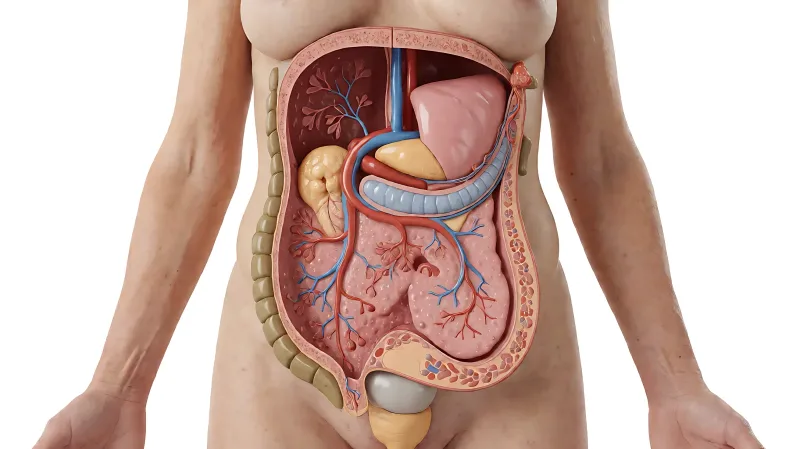
As we age, weak spots in the abdominal wall and diaphragm become more common. This guide outlines specific hernia types affecting seniors and explains when medical professionals recommend surgical intervention versus monitoring.
For older adults, hernias are frequently diagnosed but often do not require immediate repair. Inguinal hernias typically need surgery if they cause pain, become incarcerated, or risk strangulation, while hiatal hernias usually require intervention only for severe symptoms like uncontrolled acid reflux or organ obstruction. Understanding these distinct triggers helps seniors decide when to seek surgical care versus conservative management.
For more information, see NIA health information for older adults from the National Institute on Aging.
How Do Inguinal Hernias Affect Older Adults?
Inguinal hernias, which involve tissue pushing through the groin area, are the most common type in men. According to data cited by major health organizations, approximately 27 percent of males develop this condition at some point in their lives. While younger men may experience indirect hernias due to congenital factors, older adults typically develop direct hernias caused by age-related weakening of the abdominal wall muscles and connective tissue.
Many inguinal hernias in the elderly are asymptomatic. However, risk factors such as chronic coughing from conditions like COPD, obesity, and a history of smoking increase the likelihood of progression. If a bulge becomes firm, cannot be pushed back in, or causes severe pain, it is considered incarcerated. This state is a precursor to strangulation, a medical emergency where blood flow to the intestine is cut off. The U.S. Consumer Product Safety Commission (CPSC) and other health bodies emphasize that while not a consumer product issue, the physical risks of delayed treatment are significant, leading to the recommendation that symptomatic inguinal hernias in adults are generally repaired to prevent complications.
When Is Surgery Recommended for Inguinal Hernias?
Surgeons usually recommend repair for inguinal hernias that are symptomatic. Because the risk of complications like strangulation increases as the hernia grows, "watchful waiting" is often advised only for small, asymptomatic hernias in healthy men. For women, surgeons often recommend earlier repair because the inguinal canal structure is different, and there is a higher chance of co-occurring femoral hernias, which carry a higher risk of strangulation.
What Are the Surgical Options?
Open repair and laparoscopic repair are the two main techniques. Laparoscopic surgery often results in less post-operative pain and a quicker return to normal activities, which is beneficial for seniors. However, open surgery can sometimes be performed under local anesthesia, which may be preferred for patients with significant heart or lung issues who cannot tolerate general anesthesia. A 2015 global study indicated that inguinal hernias still cause a significant burden, with approximately 59,800 deaths attributed to complications, highlighting the importance of timely intervention for advanced cases.
What Is a Hiatal Hernia and Who Needs Surgery?
A hiatal hernia occurs when the upper part of the stomach pushes up into the chest through an opening in the diaphragm. This condition is highly prevalent in seniors; in recent years, CT scans have shown that hiatal hernias are found in approximately 16.6 percent of patients in their eighties. Most hiatal hernias are Type I, known as sliding hernias, where the stomach slips up slightly. These rarely require surgery unless they cause severe gastroesophageal reflux disease (GERD) that does not respond to acid-suppressing medications like proton pump inhibitors.
When Do Paraesophageal Hernias Require Intervention?
Paraesophageal hernias (Types II, III, and IV) involve a larger portion of the stomach moving into the chest. These are more serious. Guidelines from the Society of American Gastrointestinal and Endoscopic Surgeons (SAGES) recommend surgical repair for all large paraesophageal hernias in adults younger than 60. For those over 60, surgery is reserved for hernias causing obstructive symptoms, such as inability to swallow, vomiting, or gastric volvulus (twisting of the stomach). The recurrence rate after laparoscopic repair is reported between 8 and 26 percent, but symptom reduction remains high for most patients.
What Are the Risks of Delaying Surgery in Seniors?
The primary risk of delaying hernia repair in older adults is the sudden development of incarceration or strangulation. Strangulation deprives the intestine of oxygen, leading to tissue death and potential sepsis. For hiatal hernias, the risk involves gastric volvulus, which can cut off the blood supply to the stomach. Symptoms of this emergency include severe chest or abdominal pain, nausea, and inability to pass gas or stool. Immediate medical attention is required if a hernia bulge becomes red, hot, or excruciatingly painful.
FAQ
Do all inguinal hernias need surgery?
No. Small, asymptomatic inguinal hernias in men can often be monitored with "watchful waiting." Surgery is recommended if the hernia becomes painful, grows in size, or cannot be pushed back into the abdomen.
Can older adults undergo laparoscopic hernia surgery safely?
Yes. While age increases surgical risk, laparoscopic techniques generally offer shorter hospital stays and less pain. Many seniors tolerate the procedure well, though those with severe heart or lung disease may require specific anesthetic planning or local anesthesia for open repairs.
What is the most common type of hernia in people over 60?
Hiatal hernias are extremely common in this age group, with prevalence rates rising significantly after age 50. Inguinal hernias also become more frequent due to the natural weakening of abdominal muscles with age.
How long does recovery take after hiatal hernia surgery?
Most patients return to work and normal activities within three to six weeks. Dietary adjustments are usually necessary for about six weeks to allow the surgical site to heal, and gas or bloating may persist for several months.
What symptoms indicate a hernia emergency?
Sudden severe pain, a hard or discolored bulge that cannot be reduced, nausea, vomiting, and fever are signs of possible strangulation. These symptoms require immediate evaluation in an emergency department.