Senior Anemia: Symptoms & Iron Deficiency Treatment
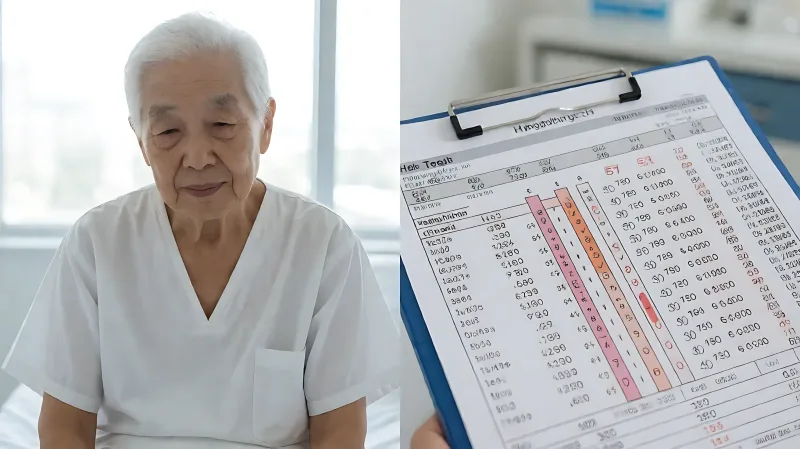
Anemia affects up to 44% of older adults. This guide outlines the specific symptoms of iron deficiency in seniors, such as cognitive changes and shortness of breath, and details standard treatment protocols involving dietary adjustments and medical supplementation.
Anemia in older adults is not merely a side effect of aging but a sign of underlying disease in about 80 percent of cases. The World Health Organization defines anemia as hemoglobin levels below 12 g/dL for women and 13 g/dL for men. Iron deficiency is one of the most frequent causes, affecting 15 to 30 percent of elderly patients. Symptoms often include persistent fatigue, shortness of breath, and cognitive decline. Treatment typically involves identifying the root cause, dietary changes, or iron supplementation, under the guidance of a healthcare provider.
For more information, see NIA health information for older adults from the National Institute on Aging.
What are the specific symptoms of iron deficiency in elderly adults?
Identifying anemia in seniors can be difficult because symptoms are often subtle and easily mistaken for normal aging. However, several physical and cognitive signs warrant immediate medical attention. According to the American Academy of Family Physicians, the onset of these symptoms is usually insidious, meaning they develop slowly over time.
- Extreme Fatigue and Weakness: This is the most common complaint. Unlike typical tiredness, this fatigue often does not improve with rest.
- Shortness of Breath: Seniors may experience breathlessness after minimal exertion, such as walking to the mailbox or climbing a short flight of stairs.
- Cardiac Strain: The heart must work harder to pump oxygenated blood. This can lead to a rapid heartbeat, chest pain, or worsening of pre-existing congestive heart failure.
- Cognitive Changes: Iron deficiency can impair brain function, leading to confusion, apathy, or difficulty concentrating. These symptoms are sometimes misdiagnosed as dementia.
- Pallor and Skin Changes: While less obvious in elderly patients due to skin changes, conjunctival pallor (whitening of the inner eyelids) is a reliable clinical sign.
Why is anemia more common in people over 65?
The prevalence of anemia increases significantly with age, affecting between 8 and 44 percent of the elderly population. While younger adults often have clear-cut causes, seniors face a complex interplay of factors that reduce red blood cell production or increase their loss.
What biological factors contribute to this risk?
Aging kidneys produce less erythropoietin, a hormone that stimulates red blood cell production. Additionally, the bone marrow's capacity to produce healthy cells may decline. The Centers for Disease Control and Prevention notes that nearly 64 percent of Americans over 65 have two or more chronic conditions, which independently increase the risk of anemia.
How do medications and diet play a role?
Many seniors take medications that interfere with iron absorption or cause gastrointestinal bleeding. Non-steroidal anti-inflammatory drugs (NSAIDs), anticoagulants, and chemotherapy agents are common culprits. Furthermore, decreased appetite and difficulty chewing can lead to insufficient intake of iron-rich foods and B vitamins.
How do doctors diagnose anemia in seniors?
Diagnosis begins with a complete blood count (CBC) to measure hemoglobin and red blood cell indices. However, clinicians must look beyond these basic numbers to find the root cause. The American College of Gastroenterology emphasizes that in elderly patients, a normocytic anemia (normal cell size) does not rule out significant disease, as chronic inflammation can mask other issues.
| Test | Purpose |
|---|---|
| Complete Blood Count | Measures hemoglobin, red blood cells, and platelets. |
| Serum Ferritin | The most useful test to distinguish iron deficiency from anemia of chronic disease. |
| Stool Occult Blood | Checks for hidden blood in the digestive tract, a common source of loss in seniors. |
| Vitamin B12 and Folate | Rules out nutritional deficiencies that mimic iron problems. |
What are the standard treatments for iron deficiency anemia?
Treatment is tailored to the underlying cause. If iron deficiency is confirmed, the goal is to replenish iron stores while managing any contributing factors like gastrointestinal bleeding or poor absorption.
Is oral iron supplementation effective for seniors?
Oral iron is the first-line treatment for mild to moderate iron deficiency. However, absorption in older adults can be impaired. Doctors often recommend taking iron with vitamin C-rich foods to enhance absorption. If oral supplements cause gastrointestinal distress or are ineffective, intravenous (IV) iron may be prescribed. The National Institutes of Health highlights that IV iron bypasses the digestive system, ensuring direct delivery to the bloodstream.
When is a blood transfusion necessary?
Blood transfusions are reserved for severe cases or when patients experience critical symptoms such as heart failure or severe shortness of breath. Transfusions provide immediate relief but do not address the underlying cause of iron loss. They are a temporary bridge while long-term treatments take effect.
What dietary changes can help prevent recurrence?
Incorporating iron-rich foods like red meat, poultry, fish, lentils, and dark leafy greens is essential. Seniors should also ensure adequate intake of vitamin B12 and folate. Limiting tea and coffee during meals can help, as tannins in these beverages inhibit iron absorption.
Can anemia be prevented in older adults?
While some forms of anemia are difficult to prevent entirely, lifestyle modifications can significantly reduce risk. Regular screening for gastrointestinal bleeding, especially in those over 60, is crucial. The American Cancer Society recommends colonoscopy screening to detect and remove precancerous polyps, which can bleed and cause anemia over time.
How should seniors monitor their health at home?
Seniors should report any new or worsening symptoms of fatigue, breathlessness, or confusion to their healthcare provider immediately. Keeping a log of symptoms can help doctors identify patterns. Regular check-ups allow for early detection of hemoglobin drops before they become symptomatic.
Frequently Asked Questions
Is low hemoglobin a normal part of aging?
No. While hemoglobin levels may fluctuate slightly with age, significant drops are not normal. The American Geriatrics Society states that a cause is identified in approximately 80 percent of elderly patients with anemia, indicating that it is usually a sign of disease rather than a natural physiological change.
What is the fastest way to raise iron levels?
For most patients, high-dose oral iron supplements combined with vitamin C are the fastest initial step. If oral iron is not tolerated or is ineffective, intravenous iron infusions can replenish stores more rapidly. Transfusions are the fastest method but are used only for acute, severe symptoms.
Can anemia cause falls in elderly patients?
Yes. Dizziness and lightheadedness resulting from low oxygen delivery to the brain increase the risk of syncope (fainting) and subsequent falls. The Centers for Disease Control and Prevention identifies falls as a leading cause of injury in seniors, and untreated anemia is a contributing medical factor that can exacerbate this risk.
How long does it take to feel better after starting treatment?
Hemoglobin levels typically begin to rise within two to four weeks of starting iron therapy. However, it takes several months to fully replenish the body's iron stores. Patients are often advised to continue supplementation for three to six months after their blood tests normalize, as determined by their physician.