Relieve Neck & Shoulder Tension: Safe Stretches for Seniors
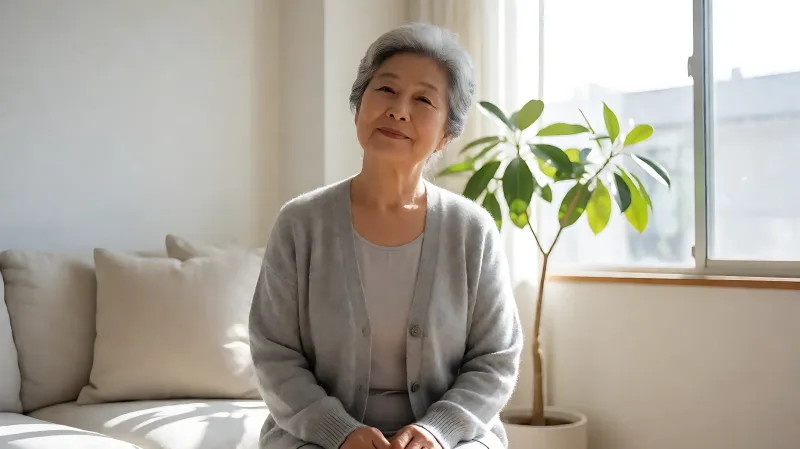
Discover safe, gentle stretching techniques to relieve shoulder and neck tension in older adults. Improve posture and mobility with easy, equipment-free movements.
Tight shoulders and neck tension can limit daily movement and comfort for older adults. Gentle, consistent stretching helps relieve stiffness, improves posture, and reduces the risk of injury. This guide offers safe, low-impact exercises designed specifically for seniors to regain mobility without strain.
For more information, see NIA health information for older adults from the National Institute on Aging.
Why Do Older Adults Experience Neck and Shoulder Tension?
As we age, the neck muscles often lose flexibility and strength, making them more susceptible to tension. Prolonged sitting, sleeping in awkward positions, or carrying heavy items can exacerbate these issues. The American Geriatrics Society notes that maintaining proper spinal alignment is crucial for preventing chronic discomfort in the upper body. Without regular movement, the shoulders may round forward, placing extra stress on the cervical spine. Understanding these causes helps seniors take proactive steps toward relief before pain becomes a daily hurdle.
What Are the Safest Stretches for Seniors?
When performing stretches, it is essential to move slowly and listen to your body. You should feel a gentle pull, never sharp pain. If any exercise causes discomfort, stop immediately and consult a healthcare provider. Here are five effective, low-risk movements that target the neck and shoulder girdle without requiring equipment.
How Do You Perform a Gentle Ear-to-Shoulder Stretch?
This stretch lengthens the side of the neck and relaxes the upper trapezius muscle. Sit or stand with your feet flat on the floor and your back straight. Slowly tilt your right ear toward your right shoulder. To deepen the stretch, lightly place your right hand on the left side of your head and apply minimal pressure. Hold this position for 20 to 30 seconds, then release. Repeat on the left side. This movement helps counteract the forward head posture common in individuals who spend time reading or using digital devices.
What Is the Cross-Arm Shoulder Stretch?
The cross-arm stretch targets the rear deltoid and rotator cuff muscles. Stand facing a wall or chair for balance if needed. Bring your right arm across your chest at shoulder height. Use your left hand to gently guide the elbow toward the center of your chest. Keep your posture tall and avoid shrugging your shoulders. Hold for 30 seconds, then switch arms. This exercise improves shoulder flexibility and helps maintain range of motion for everyday tasks like reaching for items on high shelves.
How Do Shoulder Rolls Relieve Tension?
Shoulder rolls are a dynamic warm-up that encourages blood flow and loosens tight muscles. Stand with your arms relaxed at your sides. Lift your shoulders up toward your ears, then roll them backward and down in a smooth circular motion. Perform 10 slow repetitions. Next, roll your shoulders forward in the same manner for another 10 repetitions. This simple exercise is ideal for performing during breaks in a sedentary routine, such as while watching television or waiting for the telephone.
What Are the Benefits of a Standing Forward Bend?
A modified standing forward bend helps release tension in the upper back and neck. Stand with your feet shoulder-width apart. Place your hands on your hips to support your back. Hinge at the hips and slowly fold forward, allowing your head to hang gently. Keep a slight bend in your knees to protect your lower back. Hold this position for 20 to 30 seconds, breathing deeply. As you rise, engage your core muscles to straighten your spine. This pose promotes overall spinal flexibility and can improve balance by strengthening the postural muscles.
How Can You Prevent Shoulder Stiffness?
Prevention is key to maintaining long-term mobility. The National Institute on Aging recommends engaging in regular physical activity, such as walking, swimming, or yoga, to keep joints lubricated and muscles strong. In addition to daily exercise, consider incorporating simple habits that support better posture. Ensure that your computer screen is at eye level if you use a desk. Take short breaks every 30 minutes to stand up and move. Staying hydrated also supports muscle health, as water helps transport nutrients to tissues. For those with arthritis or other chronic conditions, a physical therapist can provide personalized guidance tailored to their specific needs.
When Should You See a Doctor?
While mild stiffness is common, certain symptoms warrant professional attention. The Centers for Disease Control and Prevention advises seeking medical help if neck pain is accompanied by fever, severe headache, or sensitivity to light, as these may indicate more serious conditions. Additionally, if stretching does not relieve pain after two weeks, or if you experience weakness, numbness, or tingling in your arms, consult a healthcare provider. Early intervention can prevent complications and ensure that you receive the appropriate treatment plan.
FAQs About Shoulder and Neck Stretches
How often should I stretch my neck and shoulders?
For best results, perform these gentle stretches daily. Consistency helps maintain flexibility and prevents stiffness from returning. You can break up the routine into short sessions throughout the day, especially after periods of prolonged sitting or looking down.
Is it safe to stretch if I have arthritis?
In most cases, gentle stretching is safe and beneficial for individuals with arthritis. It can help maintain joint range of motion and reduce stiffness. However, it is important to avoid high-impact movements and consult your doctor or physical therapist to ensure the exercises are suitable for your specific condition.
Can poor posture cause neck pain?
Yes, poor posture is a leading cause of neck and shoulder pain. Slouching places excessive stress on the cervical spine and surrounding muscles. Maintaining an aligned posture, whether sitting or standing, helps distribute weight evenly and reduces the likelihood of developing chronic tension.
What if I feel pain during a stretch?
You should never stretch through pain. If you experience sharp or intense discomfort, stop the exercise immediately. It may indicate that the stretch is too aggressive or that there is an underlying injury. Consult a healthcare professional to determine the cause and receive appropriate care.