Genetic Red Flags: 10 Signs to See a Geneticist
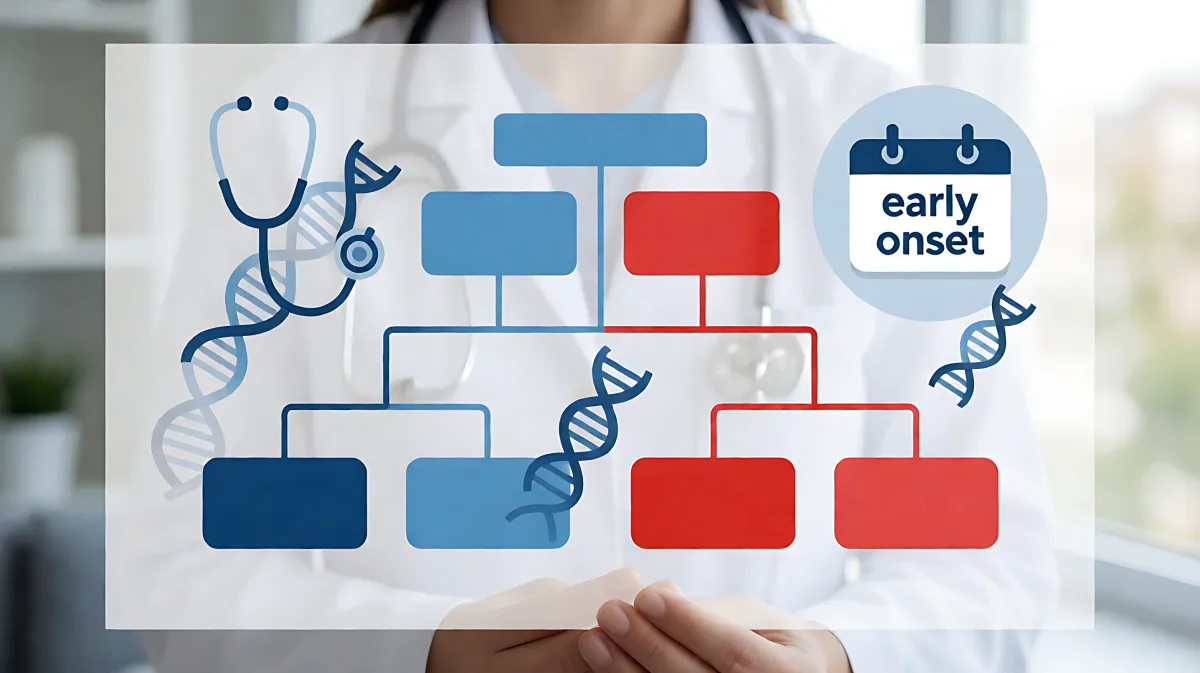
Do you have unexplained symptoms or a family history of early-onset disease? Learn the ten key genetic red flags that suggest an inherited cause and when it is time to consult a medical geneticist.
Genetic conditions affect an estimated 5 to 10 percent of the general population, yet many people remain undiagnosed for years. Recognizing specific "red flags" in your medical history or family background can signal an inherited cause for your symptoms. These indicators range from early-onset diseases to unusual family patterns. If you notice multiple signs, a consultation with a medical geneticist can provide clarity and a tailored management plan.
What are the key red flags for genetic disorders?
Medics and geneticists use specific markers to determine when a condition might be inherited rather than purely environmental. The following indicators suggest that a genetic component may be at play, according to guidance from the Jackson Laboratory and various diagnostic genetics practices.
Did you face a long diagnostic journey?
One of the most common red flags is a history of multiple appointments and exhaustive testing without a clear answer. Many patients spend years seeing various specialists, undergoing blood work and imaging, only to receive no diagnosis or one that feels incomplete. If you have experienced this "diagnostic odyssey," it may be time to investigate rare diseases or undiagnosed genetic causes.
Is your disease onset earlier than usual?
Age is a critical factor. Conditions that typically appear in older adults, such as Parkinson's disease, are more likely to have a genetic basis if they occur in younger individuals. Similarly, breast cancer in a pre-menopausal woman is a strong indicator of a potential genetic predisposition. If your condition started at an unusually young age for the general population, genetics should be considered.
Are you lacking standard risk factors?
Many common diseases are linked to lifestyle choices such as diet, exercise, and smoking. If you have been diagnosed with a condition despite a low-risk lifestyle and proactive health measures, the cause may not be environmental. In these cases, a genetic predisposition might be driving the disease, or your current diagnosis may be incorrect or incomplete.
How does family history signal a genetic link?
Your family tree is one of the most powerful tools for identifying inherited conditions. Genetic professionals look for specific patterns among relatives to determine if a single-gene disorder or complex trait is present.
Do you have relatives with known genetic disorders?
Having a first-degree relative with a diagnosed genetic condition significantly raises your risk. Even if you are asymptomatic, you may carry a mutation that could affect your health or that of your future children. Genetic counseling can help you understand your specific risk and monitor for complications.
Is the disease affecting multiple family members?
When multiple relatives suffer from the same or related disorders, it often points to an inheritance pattern. For instance, if each affected individual has an affected parent, it may suggest an autosomal dominant trait. If neither parent is affected, a recessive trait may be involved. Complex traits like heart disease or cancer can also show family clustering due to shared genetics and environment.
Is there a pattern of pregnancy loss?
Experiencing two or more miscarriages, particularly in the first trimester, can indicate an underlying genetic issue in one of the parents. While most miscarriages are sporadic, recurrent losses may suggest a chromosomal abnormality that could also impact future pregnancies or be linked to other health conditions.
What physical signs suggest a genetic cause?
Beyond family history, specific presentations of your own health can reveal genetic clues. These are often referred to as "extreme" or "exceptional" findings in primary care.
Do you have multiple or unusual symptoms?
If you have been diagnosed with two unrelated primary diseases, a geneticist may find a single underlying cause that links them. For example, bilateral tumors in paired organs like the eyes are more likely to be genetic than unilateral tumors. Similarly, having multiple primary cancers in different tissues is a red flag for a hereditary cancer syndrome.
Are there birth defects or developmental issues?
A diagnosis of intellectual disability or developmental delay in yourself or a relative should prompt a genetic review. Even if managed previously, an underlying genetic disorder might predispose you to other health issues. Likewise, being born with a major malformation, such as a heart defect or cleft palate, or having multiple minor physical alterations, can indicate a genetic syndrome that requires ongoing monitoring.
Do standard treatments fail to work?
If your symptoms continue or worsen despite following standard therapies, the diagnosis may be missing a genetic component. In some cases, a patient may have developed new symptoms that do not fit the initial diagnosis. Genetic testing can help identify an untreated underlying issue that is affecting treatment outcomes.
What is the value of a genetic diagnosis?
Identifying a genetic cause is not just about naming a disease; it is about changing your care path. A diagnosis allows for personalized prevention, early intervention, and family planning. It can also open the door to clinical trials for emerging treatments.
Frequently Asked Questions
Who should I see if I suspect a genetic condition?
You should consult a board-certified medical geneticist or a genetic counselor. They can review your family history, perform a physical examination, and order specific genetic tests. In many cases, a referral from a primary care physician is required.
Is genetic testing accurate?
Modern genetic testing is highly accurate for detecting known variants. However, results can sometimes be "uninformative" or reveal "variants of uncertain significance." A genetic counselor will help you interpret these results in the context of your health and family history.
Can I change my genetic makeup?
While you cannot change your genes, you can manage their effects. Understanding your genetic risk allows you to make lifestyle adjustments, such as modifying your diet or increasing screening frequency, to mitigate disease risk.
Does a lack of family history rule out genetics?
No. A genetic condition can arise from a new mutation or be recessive, meaning it skips generations. A negative family history does not eliminate the possibility of a genetic cause for your symptoms.