Alternatives to Liquid Colonoscopy Prep: What to Ask Your Doctor
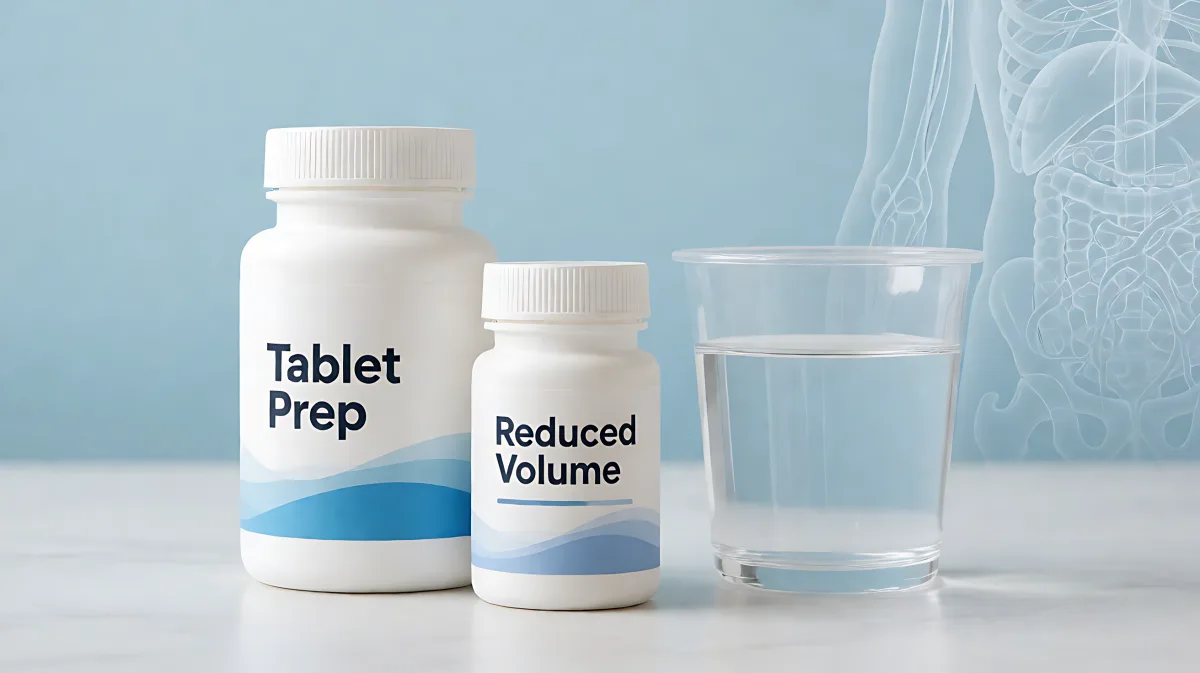
Many patients dread the large volumes of liquid required for traditional colonoscopy prep. Learn about tablet-based solutions, reduced-volume liquids, and alternative screening methods that can improve your experience.
Traditional colonoscopy preparation often requires drinking several liters of unpleasant liquid, leading to significant patient discomfort and missed screenings. To address this, medical professionals now offer several alternatives, including tablet-based preparations, reduced-volume liquid solutions, and non-invasive screening tests like stool DNA analysis that bypass bowel prep entirely.
Why do patients struggle with traditional bowel prep?
The standard of care for a colonoscopy involves a thorough cleansing of the colon to ensure the doctor can see polyps or cancer. However, traditional polyethylene glycol (PEG) solutions often require patients to consume around four to six liters of fluid over a few hours. This high volume, combined with a strong chemical taste, causes nausea, bloating, and social inconvenience. According to data from Liv Hospital, approximately one-third of patients struggle with these conventional preparations, which can lead to them canceling or rescheduling their appointments. When patients avoid screening, the detection rates for early-stage colorectal issues drop significantly, impacting overall public health outcomes.
Are tablet-based preps as effective as liquids?
Yes, and they are a leading alternative for those who cannot tolerate large volumes of fluid. A prominent option is a solid-state preparation known as SUTAB. This medication comes in small pouches of granules that patients drink with just 1 liter of water, rather than the typical 4 liters required for traditional PEG solutions. In clinical effectiveness data reviewed by gastroenterology specialists at Liv Hospital, SUTAB demonstrated comparable adequacy rates to traditional liquids while significantly improving patient satisfaction due to the lower volume and neutral taste. Another tablet-based option is OsmoPrep, which uses a combination of sodium phosphate and sodium citrate. While effective, doctors must use caution with OsmoPrep in patients with kidney issues, as it carries a risk of electrolyte imbalance. For most patients, the tablet-based route offers a manageable compromise between convenience and clinical efficacy.
What reduced-volume liquid options are available?
If you prefer a liquid format but find standard volumes difficult, reduced-volume solutions are a practical middle ground. CLENPIQ is a popular choice that utilizes a combination of magnesium citrate, sodium magnesium phosphate, and polyethylene glycol. It requires only about 2 liters of solution, split into two drinks, rather than the larger volumes of older preparations. The taste is often described as sweet and palatable, usually masked with electrolytes. Another option is PLENVU, which features a unique formulation with three different flavors—raspberry, lemon, and orange—to enhance tolerability. Studies comparing PLENVU to traditional PEG solutions show similar cleansing efficacy with higher patient preference. These options allow you to complete the prep in smaller, more digestible increments, reducing the likelihood of vomiting or giving up before finishing the regimen.
Can you skip the bowel prep entirely with alternative screening?
For many individuals, the best alternative to drinking prep is choosing a different screening method altogether. While colonoscopy is the gold standard for detecting and removing polyps, it is not the only way to screen for colorectal cancer. At-home stool tests, such as the fecal immunochemical test (FIT), require no bowel preparation. You simply collect a small sample, mail it to the lab, and await the results. According to guidelines from the American Society of Gastrointestinal Endoscopy, FIT tests are recommended annually for average-risk patients. If a FIT test is negative, you can repeat it in one year. If it is positive, your doctor will order a diagnostic colonoscopy, at which point you would need to complete the bowel prep. Another non-invasive option is the stool DNA test, which looks for genetic markers and blood in the stool. This test is typically recommended every three years. While these tests are not as effective at finding precancerous polyps as a colonoscopy, they are excellent for detecting advanced cancer and serve as a valid entry point for those averse to invasive procedures. Virtual colonoscopy and sigmoidoscopy are other options, though virtual colonoscopy still requires a full bowel clean, and sigmoidoscopy only examines the lower part of the colon.
How do you choose the right alternative for your needs?
Selecting the right method depends on your risk profile, personal tolerance, and insurance coverage. If you are at average risk and highly averse to ingestion, a stool-based test may be your best starting point. If you have already committed to a colonoscopy but want to minimize discomfort, ask your gastroenterologist about tablet-based or reduced-volume liquid options. It is crucial to discuss your specific medical history, such as kidney disease or heart conditions, as some alternatives like OsmoPrep may be contraindicated. Many families assume that all bowel preps are the same undrinkable brown solution, but in fact, the landscape has evolved dramatically with flavored, solid-state, and split-dose regimens that prioritize comfort. To ensure the best outcome, follow this checklist before your appointment:
- Determine your risk level: Average risk patients have more flexibility with screening intervals; high-risk patients usually need regular colonoscopies.
- Review your insurance: Check if your plan covers non-invasive tests or specific brands of reduced-volume prep.
- Discuss preferences with your doctor: Explicitly state that you struggle with large volumes to see if a tablet option is available.
- Plan for the split-dose regimen: Most modern preps are split into an evening and morning dose, which is more effective than drinking it all at once.
- Prepare your clear-liquid diet: Remember to avoid red or purple liquids on the day of the procedure to prevent staining.
What are common mistakes that compromise bowel prep?
Even with the most comfortable prep option, execution matters. A common error is not drinking enough water alongside the solution. The active ingredients rely on osmotic pressure to pull fluid into the bowel; if you are already dehydrated, the process is less effective. Another frequent mistake is continuing to eat solid foods too late. Most protocols require a clear-liquid diet for the 24 hours leading up to the procedure, with no solid food after midnight. Iron supplements and certain antacids can also stain the colon or interfere with the clean, so always consult your physician on which medications to pause. If you vomit during the prep, do not panic; pause for 30 to 60 minutes, then resume slowly. If vomiting persists, contact your medical provider for anti-nausea medication or a regimen adjustment. Ignoring these steps can lead to an inadequate prep, which may require repeating the entire procedure weeks later.
Frequently Asked Questions
Is a stool test a valid alternative to a colonoscopy?
Yes, for average-risk individuals, stool-based tests like FIT or stool DNA analysis are valid initial screening tools recommended by major guidelines. They require no bowel prep. However, if a result is positive, a diagnostic colonoscopy is required to investigate the abnormality.
Which colonoscopy prep option has the least volume?
Tablet-based preparations, such as SUTAB, generally require the least volume, typically needing only about 1 liter of water for the entire regimen. Reduced-volume liquids like CLENPIQ require about 2 liters, which is half the amount of traditional PEG solutions.
Can I use a stool test if I have high-risk genetics?
No. If you have a family history of colorectal cancer, specific genetic syndromes, or inflammatory bowel disease, you are considered high-risk. Guidelines recommend regular colonoscopy for these groups, as stool tests are less sensitive for the specific types of polyps and cancers that may develop in high-risk patients.
Do I need to change my diet before a tablet prep?
Yes. Even with tablet-based options, you must follow a clear-liquid diet for the day before your procedure. You should avoid solid foods, seeds, nuts, and red or purple colored liquids to ensure the colon is clear for visualization.