How to fix colonoscopy prep for diabetics
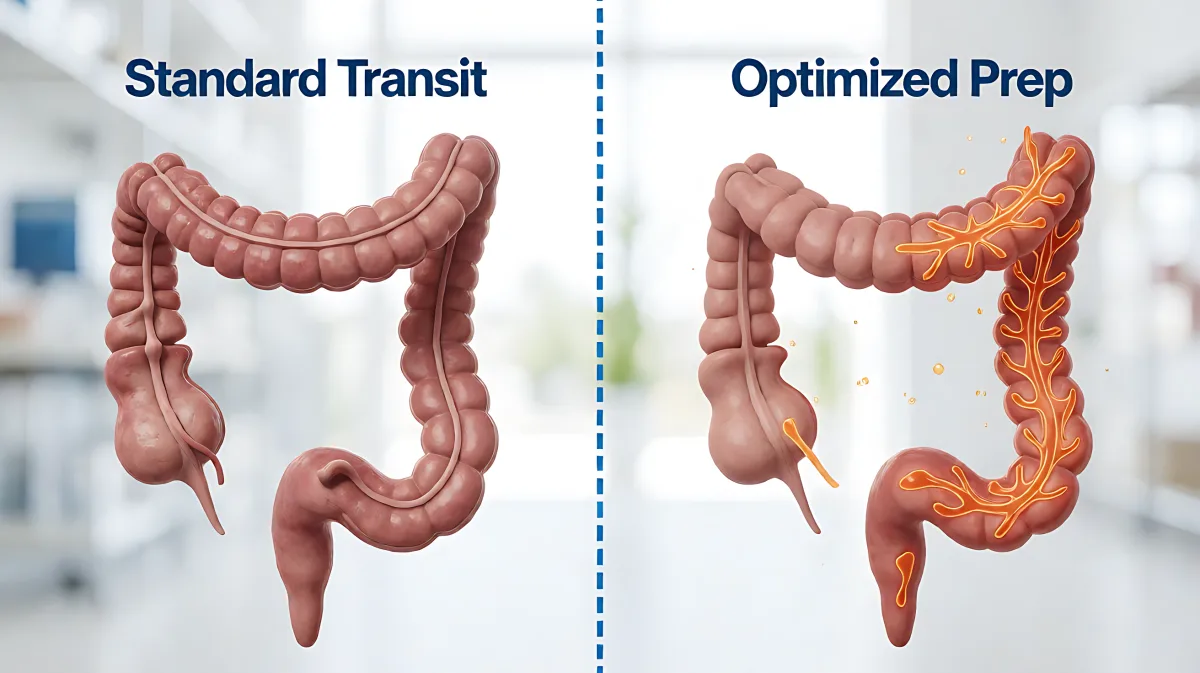
If you have diabetes, your colonoscopy is more likely to fail due to slowed bowel movement. Discover the clinical steps and medication adjustments needed for a successful screen.
Colonoscopy prep fails more often in patients with diabetes because the condition slows down gut movement and stomach emptying. To fix this, diabetics should adjust their medication schedules, monitor blood sugar closely during the clear-liquid phase, and consider add-on laxatives like magnesium citrate, as recommended by gastroenterology experts.
Why does diabetes make bowel prep harder?
Many patients assume that any laxative will work the same for everyone, but in fact, diabetes creates a unique physiological barrier. A review published in the Journal of Clinical Medicine identified diabetes as an independent predictor of inadequate bowel preparation. The issue stems from gastroparesis (delayed stomach emptying) and autonomic neuropathy, which slows down the transit of waste through the intestines. Because the gut moves slower, standard prep regimens often don't have enough time to clear the colon before the procedure, leading to poor visibility and missed polyps.
The American Society of Gastrointestinal Endoscopy (ASGE) notes that approximately 17 million colonoscopies are performed annually in the United States. When prep fails in diabetic patients, the consequences include higher rates of missed lesions and the need for repeat procedures within a year. This places a significant financial and health burden on patients who already face complex medical management.
How do you adjust medications before the test?
Medication management is critical for maintaining stable blood levels while restricting diet. The most common error involves continuing oral diabetes medication incorrectly. According to instructions from Rush University Medical Center, patients taking Metformin must stop the drug before the procedure because it increases the risk of lactic acidosis if the patient develops dehydration or low blood flow during the procedure.
- Insulin-dependent patients: Typically, take the morning dose on the day before the procedure. On the day of the procedure, skip the morning dose but bring the insulin to the clinic in case of hyperglycemia.
- Oral medication users: Skip the evening dose the night before and the morning dose on the day of the procedure.
- Byetta (exenatide): Do not take this medication the day before or the day of the procedure. Resume it only after the colonoscopy and when regular eating resumes.
Gastroenterologists emphasize that skipping doses without a plan can lead to dangerous blood sugar spikes or drops, which can cause nausea and vomiting, further complicating the prep process.
What specific foods and drinks help clear the bowel?
During the clear-liquid phase, diabetics must balance the need for hydration and laxation against the risk of blood sugar crashes. Gastroenterology Consultants of San Antonio recommend consuming 45 to 60 grams of liquid carbohydrates on preparation day to prevent hypoglycemia. This can be achieved through specific clear liquids that contain sugar, such as half a cup of apple juice or white grape juice (15 grams of carbohydrates), half a cup of non-diet Jello (20 grams), or one cup of Gatorade (15 grams).
It is crucial to avoid liquids with red, purple, or dark dyes, as these can be mistaken for blood or lesions during the endoscopy. Patients should mix these sugar-containing drinks with sugar-free options like black coffee, clear broth, or seltzer to maintain volume without excessive calories.
How can you improve transit speed pharmacologically?
For patients who have had failed preps in the past, doctors may prescribe adjunctive agents to speed up intestinal transit. The Annals of Gastroenterology review highlights the use of magnesium citrate, bisacodyl, lubiprostone, or pyridostigmine as additions to standard prep regimens for diabetic patients. These medications help counteract the slowed motility caused by the disease. Patients should discuss these options with their physician during the scheduling phase rather than waiting for the preparation day to find the standard regimen insufficient.
What is the step-by-step checklist for a safe procedure?
Following a structured timeline prevents the chaotic last-minute adjustments that often lead to failure. Use this checklist to manage the two days leading up to your colonoscopy.
- Two days prior: Transition to a low-fiber diet. Inform your doctor of your specific diabetes type and current medication list.
- Day before: Switch to clear liquids only. Take your morning insulin or oral dose as usual, but skip the evening dose. Begin drinking 45–60g of liquid carbs spread throughout the day.
- Procedure morning: Check blood sugar every two to three hours. Stop taking oral diabetes medications. If on insulin, skip the morning dose but bring the vial to the clinic.
- Three hours before arrival: This is your final window for drinking carbohydrate-containing clear liquids. If you feel hypoglycemic symptoms, use glucose tablets and call the clinic to potentially reschedule for an earlier slot.
After the procedure, resume your normal diet and restart your home medication schedule immediately. Do not double up on doses to make up for skipped pills.
Frequently Asked Questions
Is it safe to skip my diabetes medication entirely for the procedure?
No. Skipping medication without medical instruction can lead to dangerously high blood sugar levels. The goal is to adjust the timing and dosage (often taking half the usual dose) to prevent hypoglycemia while fasting, not to stop the drug completely unless specifically told to do so by your gastroenterologist.
What if my blood sugar is low during the prep day?
If your blood sugar drops below 70 mg/dL (3.9 mmol/L), you should consume a rapid-acting source of sugar, such as glucose tablets or a few sips of juice, to stabilize levels. Do not attempt to finish the full prep volume if you are experiencing severe hypoglycemic symptoms; contact your medical team immediately for guidance, as a repeat prep may be necessary for safety.
Does the type of diabetes change the prep instructions?
Yes. Instructions differ significantly between insulin-dependent (Type 1) and oral medication (Type 2) users. Insulin users are at a higher risk of hypoglycemia and require tighter monitoring and specific dose reductions. Patients with Type 2 diabetes often need to hold medications like SGLT2 inhibitors or Metformin due to specific metabolic risks during the procedure.
How soon after the procedure can I eat?
You can resume your regular diet as soon as you have recovered from the anesthesia and can swallow safely, usually a few hours after the procedure. Once you are eating, you should restart your normal diabetes medication schedule, unless you were instructed to hold specific drugs until a later time.