Polysomnography Prep: Complete Patient Guide
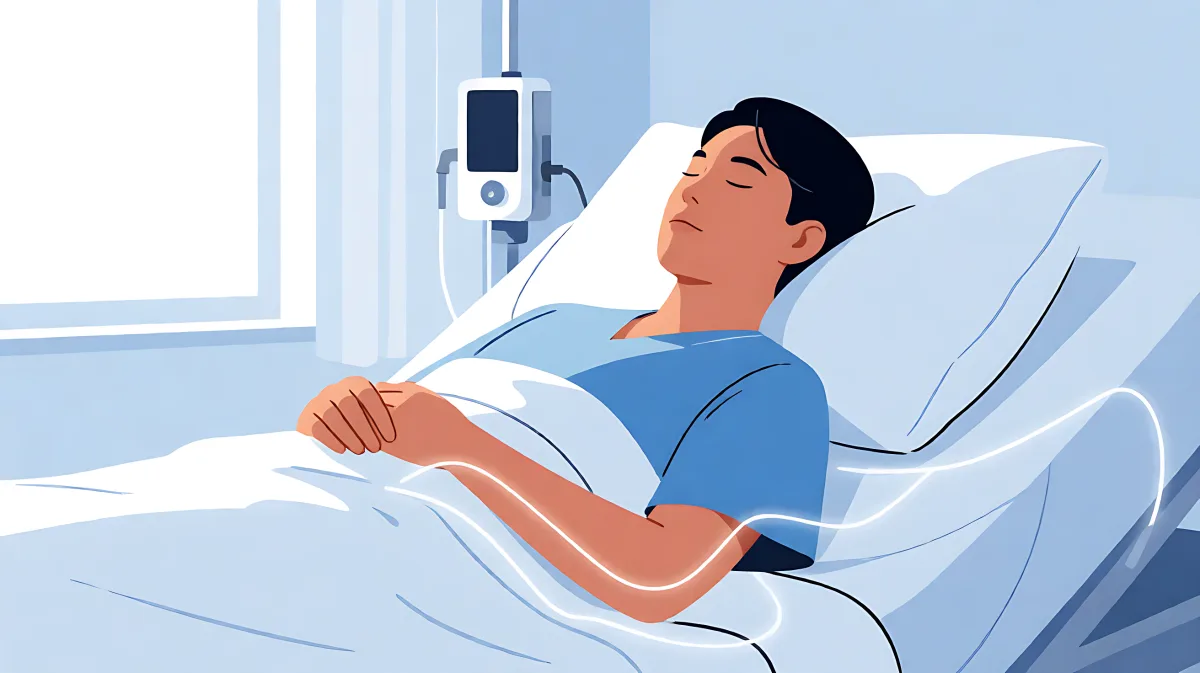
Ensure your polysomnography results are accurate by following this step-by-step preparation guide. Learn what to eat, which medications to adjust, and what to pack for your sleep study in 2026.
Polysomnography preparation begins one week prior to your appointment by adjusting medications, eliminating caffeine and alcohol, and maintaining a consistent sleep schedule. The American Academy of Sleep Medicine confirms that strict adherence to these pre-test protocols is essential for capturing accurate data on brain waves, oxygen levels, and respiratory patterns without external interference.
What is polysomnography and why does preparation matter?
Polysomnography is the gold standard diagnostic test for identifying sleep disorders such as obstructive sleep apnea, narcolepsy, and restless leg syndrome. Unlike standard blood tests, this procedure requires your body to be in a natural sleep state to record valid metrics. The Centers for Disease Control and Prevention estimates that sleep disorders affect one in three American adults, yet many remain undiagnosed. If you do not prepare correctly, the results may not reflect your typical sleep architecture, potentially leading to a misdiagnosis or the need for a costly repeat test.
How do in-lab and home tests differ?
There are two primary formats for this diagnostic screening. In-lab polysomnography involves spending the night in a clinical facility where technicians monitor you in real time. Home sleep tests use portable devices that record airflow, oxygen saturation, and respiratory effort in your own bed. While the medical goals are similar, the logistical requirements differ significantly. In-lab patients must pack an overnight bag and adhere to clinic curfews, while home patients must ensure their portable device is charged and functioning in advance. Both formats require strict avoidance of stimulants and sedatives that can skew the physiological data.
What specific steps should you take the week before?
Effective preparation is a timeline-driven process. Rushing these steps often leads to poor quality data. Below is a critical checklist to follow leading up to your appointment.
- Review medications: Consult your physician regarding sedatives, stimulants, or antidepressants. Some may need temporary adjustment to ensure they do not interfere with sleep architecture.
- Establish a rhythm: Maintain a consistent bedtime and wake-up time for the seven days prior to the test. Avoid sleeping in or staying up unusually late.
- Eliminate alcohol: The National Sleep Foundation advises avoiding alcohol entirely in the days leading up to the test, as it fragments sleep and alters respiratory drive.
- Start a sleep diary: Record your bedtimes, wake times, and any nighttime awakenings. Many specialists require two weeks of data to interpret test results accurately.
What are the dietary and beverage restrictions on the day of the test?
What you consume on the day of your study directly impacts your ability to fall asleep. Caffeine is the most common disruptor. A study published in the Journal of Clinical Sleep Medicine found that caffeine consumed just six hours before bedtime can reduce total sleep time by more than one hour. Because caffeine has a half-life of five to seven hours in adults, a coffee consumed at 2 PM will still be active in your system by 10 PM.
When should you stop drinking caffeine?
Most clinics, including those following AASM guidelines, require patients to stop all caffeine intake by noon on the day of the study. This includes coffee, tea, energy drinks, soda, and chocolate. You should also avoid heavy meals, particularly those high in fat or spice, within two to three hours of your scheduled arrival time, as digestion can disrupt sleep onset and comfort.
What items should you pack for an in-lab study?
If you are attending an in-lab sleep study, you will be provided with bedding, but you should bring personal items to help you relax. Arriving at the clinic is typically scheduled between 8 PM and 10 PM. Your packing list should include:
- Comfortable clothing: Pajamas that are modest and easy to move in. You will be wearing clothes throughout the test.
- Hygiene products: Toothbrush, toothpaste, and deodorant. Skip hair products like gels or sprays, as these prevent scalp electrodes from adhering properly.
- Medications: Bring all current prescriptions and a written list of what you take. Do not bring sedatives unless explicitly prescribed for the night.
- Comfort items: A favorite pillow or eye mask can help manage sensory input, though keep in mind that the lab environment is designed to be dark and quiet.
How do you prepare for a home sleep apnea test?
Home-based testing is becoming increasingly common for diagnosing obstructive sleep apnea in adults without complex comorbidities. Preparation is slightly simpler but requires technical diligence. You must read the instructions for the portable device thoroughly before the test night to avoid troubleshooting the equipment at bedtime. Ensure the battery is fully charged and the sensors are clean. Sleep in your normal environment and maintain your usual bedtime. Do not rearrange your room or use a different mattress, as familiarity helps produce a recording that reflects your regular sleep patterns.
What are common misconceptions about sleeping with sensors?
Many families assume that the wires and electrodes attached to their head and body will make it impossible to fall asleep. In fact, the sensors are non-invasive and use mild adhesive. While the first hour may feel awkward, the vast majority of patients sleep sufficiently for a meaningful recording. Technicians monitor from an adjacent room and will not disturb you unless there is a technical issue. If you are unable to sleep, the data collected is still often useful, but it is best to report difficulty to the care team immediately rather than waiting until morning.
Is it okay to use a phone during the test?
While you can use a phone before lights-out, most facilities ask that you avoid screens once the study begins. The blue light emitted by devices suppresses melatonin production and delays sleep onset, which compromises the quality of the data. Passive activities like reading a book or knitting are generally preferred if you cannot fall asleep quickly.
Frequently Asked Questions
How long does it take to receive sleep study results?
Results are typically analyzed by a sleep specialist within one to two weeks of the test. Your physician will schedule a follow-up appointment to discuss the findings and recommend a treatment plan based on the recorded data.
Can I take my usual sleep aids before the test?
Do not take sedative medications or sleep aids unless your doctor has specifically directed you to do so. Over-the-counter sleep products can also alter sleep architecture and should be avoided unless part of your standard nightly routine approved by your care team.
What if I have a caregiver at home?
If you rely on a caregiver for daily tasks, you must arrange for them to stay with you in the lab for the night. Sleep technologists are not trained nurses and are not permitted to administer medication or provide physical care. Labs will accommodate caregivers who are essential to the patient's care.
Are pets allowed in the sleep lab?
Pets are generally not permitted in clinical sleep labs due to hygiene and distraction factors. However, medically authorized service animals are usually approved to accompany the patient during the study.
Does a home test provide the same accuracy as an in-lab test?
For many adults with suspected obstructive sleep apnea and no other complex conditions, home tests are clinically reliable. However, in-lab polysomnography remains the most comprehensive tool for detecting all types of sleep disorders, including narcolepsy and REM sleep behavior disorder. Your doctor will advise on the most appropriate option for your specific clinical situation.