Colonoscopy Prep & Fasting: Time to Stop Eating & Drinking
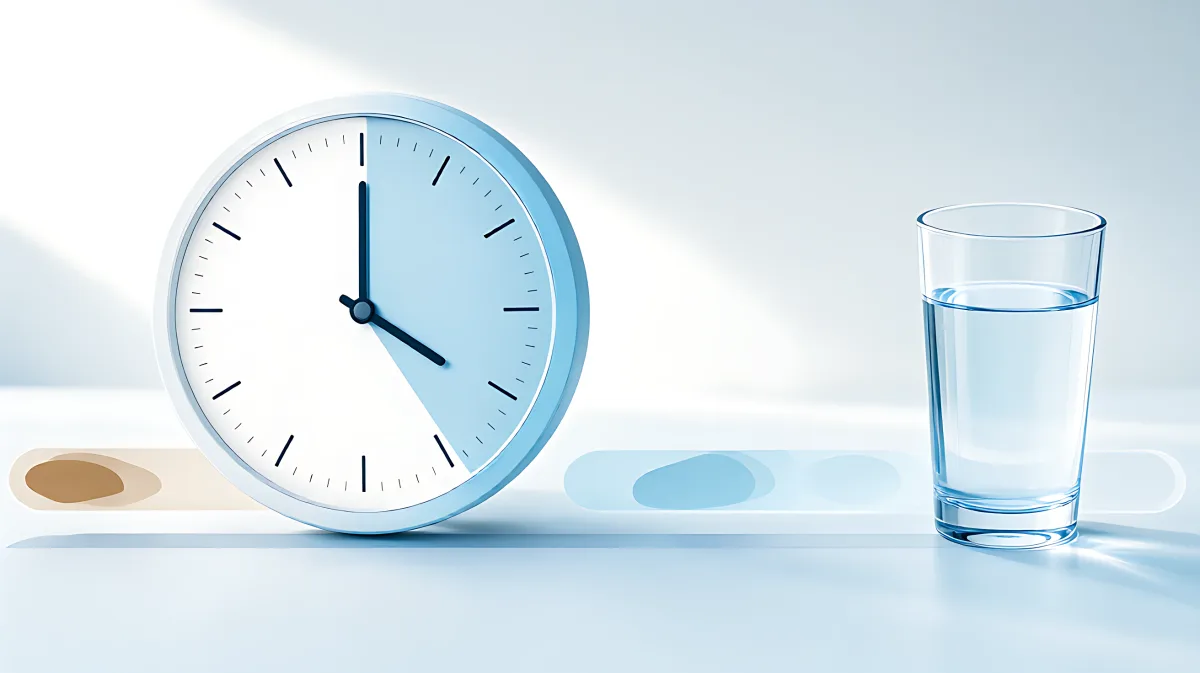
Understanding the precise fasting window for a colonoscopy is critical for safety and accuracy. This guide explains when to stop eating, how long to stick to clear liquids, and what experts recommend for a successful bowel prep in 2026.
For patients scheduled for a screening colonoscopy, the standard recommendation is to stop all food and clear liquids four hours before the procedure, per guidelines from major US medical centers like UCLA Health. While solid food must cease 24 hours prior, the final fasting window specifically refers to this last four-hour period to prevent aspiration risk during sedation.
How long does the fasting period actually last?
Many patients assume that "fasting" for a colonoscopy means skipping meals for an entire day or even two days before the appointment. In fact, the clinical definition of fasting in this context is much shorter and more specific. The American Society of Gastrointestinal Endoscopy and institutions such as UChicago Medicine emphasize that you must stop consuming all oral substances, including water, chewing gum, and medications, typically two to four hours before your scheduled time. This brief window ensures your stomach is empty, reducing the risk of vomiting or aspiration while you are under sedative care.
What is the timeline for clearing your bowel?
Fasting from solids begins well before the final four-hour window. To ensure the endoscopist can visualize the entire colon, your digestive tract must be empty of stool. The preparation phase usually starts three days before the exam, when you transition to a low-residue diet. This involves avoiding high-fiber foods like whole grains, nuts, seeds, and raw vegetables, which are difficult for the colon to clear completely. Instead, focus on white rice, pasta, eggs, and cooked soft vegetables.
The final major step is the clear liquid diet, which begins 24 hours before your procedure. During this time, you can only consume liquids that you can see through, such as water, clear apple juice, broth, or electrolyte drinks. Avoid red, purple, or orange fluids, as these can stain the bowel lining and be mistaken for blood or lesions during the exam. According to UCLA Health, you should aim to drink at least 12 tall glasses of these clear liquids throughout the day to stay hydrated while the laxative does its work.
When should you take the laxative medication?
Most bowel preps are split into two doses. The first dose is typically taken the evening before your appointment, often between 3 PM and 6 PM. The second dose is taken the morning of your procedure, approximately six to eight hours before your scheduled time. This split-dose method is preferred because it results in a cleaner colon compared to taking the entire volume the night before. By the time you arrive at the clinic, your stool should be a clear, yellowish liquid. If it is not, the procedure may be incomplete or canceled, leading to a repeat exam.
Which medications affect your prep schedule?
Not all routine medicines can be taken with your fasting water. Seven days before the exam, you must stop taking iron supplements and medications that treat diarrhea, such as Imodium or Kaopectate, as these can interfere with the prep or hide bleeding. Blood thinners like warfarin or clopidogrel require a specific stop date determined by your prescribing physician; do not halt these on your own. However, low-dose aspirin and most blood-pressure medications can usually be continued, though blood-pressure pills should be taken with water at least two hours before your appointment. If you use GLP-1 medications like Ozempic, consult your doctor, as these may need to be paused to slow gastric emptying safely.
Common Mistake: Drinking Red or Purple Liquids
Many families assume that any juice is fine during the clear liquid day, but in fact, red, purple, or dark orange fluids are strictly prohibited. These colors can obscure the view of the colon lining, forcing the doctor to repeat the exam or miss subtle abnormalities. Stick to white grape, apple, or lemonade flavors only.
Step-by-Step Checklist for a Clean Prep
- Three days prior: Switch to a low-residue diet. Eat white bread, canned vegetables, and tender meats. Avoid salads, corn, nuts, and whole grains.
- One day prior: Start the clear liquid diet. Drink water, broth, and clear juices only. Begin your first dose of bowel prep in the late afternoon.
- Morning of procedure: Take your second dose of prep as directed (usually 6-8 hours before your slot). Arrive at the clinic one hour early.
- Four hours prior: Stop all food and liquid intake. This is your final fasting window.
Frequently Asked Questions
Can I drink water right up until the procedure?
No. You must stop drinking all liquids, including water, four hours before your scheduled start time. This ensures your stomach is empty for safe sedation. However, during the clear liquid day, you should drink significantly more water than usual to combat dehydration from the laxative.
What if I miss a dose of my bowel prep?
Contact your healthcare provider immediately. In some cases, they may recommend an additional dose or a different type of laxative to ensure the colon is clear enough for the exam. Do not assume the prep is complete if your stool is still formed or contains solid matter.
Does fasting for a colonoscopy affect blood sugar for diabetics?
Yes. The combination of a clear liquid diet and potential fasting windows can significantly lower blood sugar. If you take insulin or oral diabetes medications, you must consult your prescribing doctor to adjust your dose for the day of the procedure to prevent hypoglycemia.
How do I know if my bowel is clean enough?
The gold standard for a well-prepared bowel is stool that is clear or pale yellow liquid with no solid debris. If your output is still brown or contains chunks, the prep was likely insufficient, and the doctor may not be able to see the full length of your colon.