Gallstones After 60: Symptoms and Management
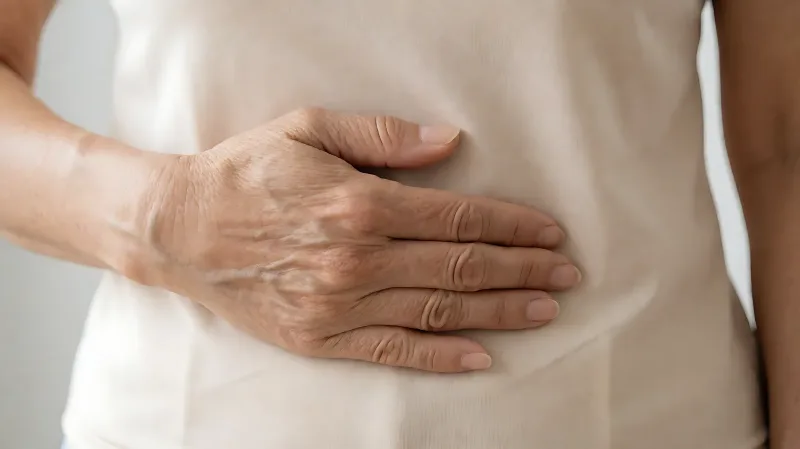
Gallstones affect nearly one in ten adults over 40. Learn how to spot biliary colic, adjust your diet to prevent attacks, and decide when gallbladder surgery is the right move.
Gallstones are present in up to 15 percent of adults in the United States, with prevalence rising significantly after age 40. While many remain silent, older adults are at higher risk for painful attacks and complications like pancreatitis due to aging bile ducts and slower metabolism. Management typically involves dietary adjustments to prevent flare-ups and laparoscopic surgery if symptoms recur. Early recognition of severe upper right abdominal pain and jaundice is critical for preventing emergency hospitalization.
For more information, see NIA health information for older adults from the National Institute on Aging.
What are the specific symptoms of a gallbladder attack in older adults?
A gallbladder attack, medically known as biliary colic, usually begins with sudden, severe pain in the upper right abdomen or just below the ribs. The pain often radiates to the back or the right shoulder blade, a phenomenon that helps distinguish it from heart issues. According to the National Institutes of Health, this pain peaks roughly one hour after onset and typically resolves within five hours if no serious complications occur. However, in older patients, the presentation can be less distinct. You might notice the pain worsening after eating a high-fat meal or late at night. Accompanying symptoms often include nausea, vomiting, and bloating. If the stone becomes lodged in the bile duct, you may develop jaundice, which turns the skin and whites of the eyes yellow, along with dark urine and pale stools. The Centers for Disease Control and Prevention notes that these specific visual markers indicate a blockage that requires immediate medical attention.
How does biliary colic differ from acute cholecystitis?
The primary difference is the duration and progression of the pain. Biliary colic is intermittent and resolves on its own. Acute cholecystitis, which is inflammation of the gallbladder caused by a stuck stone, involves pain that lasts longer than six hours and does not subside with rest. This inflammation is often accompanied by a fever, rapid heart rate, and a specific physical exam finding called Murphy's sign, where breathing stops in pain when pressure is applied to the right side of the abdomen. In older adults, a fever might be the only significant indicator of infection, so monitoring temperature is essential if abdominal pain persists.
How does diet impact gallstone risk and symptom frequency?
Diet plays a pivotal role in managing the gallbladder, as the organ contracts to release bile for fat digestion. Consuming large amounts of saturated fat or simple carbohydrates can trigger the contraction that leads to a painful attack. A diet high in fiber and low in refined sugars can help prevent stone formation and manage existing symptoms. The American Heart Association recommends replacing fatty cuts of meat and fried foods with plant-based proteins, whole grains, and lean poultry. Sudden weight loss, such as that experienced through crash dieting or bariatric surgery, also increases the risk of developing stones because the liver secretes more cholesterol into the bile. Gradual, steady weight maintenance is the safest approach for aging bodies.
What foods should be avoided to prevent attacks?
To minimize the frequency of attacks, you should limit or avoid the following categories of food:
- Fried and greasy foods: These require the most bile and cause the strongest contractions.
- Full-fat dairy: Butter, cheese, and heavy cream are common triggers for older adults.
- Sweetened processed snacks: High-sugar items force the liver to process more lipids.
- Red meat: Choose poultry, fish, or legumes instead to keep dietary fat levels manageable.
Keeping a food diary can help you identify specific personal triggers, as sensitivity varies from person to person.
When is surgery the recommended treatment for gallstones?
If you are experiencing repeated attacks, surgery to remove the gallbladder, called a cholecystectomy, is the standard of care. The UK National Health Service and US surgical societies agree that the presence of symptoms is the main indication for surgery, as the risk of recurrence after the first attack is high. Surgery is also required if stones migrate into the common bile duct, which can cause life-threatening infections or pancreatitis. For asymptomatic stones, doctors usually recommend watchful waiting, with periodic check-ins to ensure the stones are not growing or causing silent complications.
What is the timing and process for cholecystectomy in older patients?
Laparoscopic cholecystectomy is the preferred method, using small incisions and a camera for better visibility and faster recovery. Most patients are discharged from the hospital within 24 hours. In older adults, the focus shifts to pre-operative optimization, including managing blood pressure, blood sugar, and blood thinners. The timing is usually scheduled rather than emergency, unless the patient develops severe cholangitis or pancreatitis, which requires immediate intervention. Following the surgery, the liver takes over the production of bile, which is released directly into the intestines. While some patients experience temporary loose stools, the majority resume normal digestion within a few weeks.
Frequently Asked Questions
Can I live without a gallbladder?
Yes. The body functions fully without the gallbladder because the liver continues to produce bile. The body simply does not store it. Many people who have had cholecystectomy report that they need to adjust their diet to include smaller, more frequent meals to prevent post-meal discomfort.
Does gallbladder disease run in families?
There is a genetic component to gallstone formation. If your parents or siblings have had gallstones, your risk is slightly higher. However, lifestyle factors like obesity, rapid weight loss, and high-fat diets remain the most modifiable risk factors for older adults.
What are the warning signs of a serious complication?
If you experience sudden, severe abdominal pain that does not go away, a high fever, shivering, or yellowing of the skin and eyes, call 911. These are signs of cholangitis or perforation, which require emergency medical intervention to prevent sepsis.