Funding Home Modifications in California: Grants & Programs
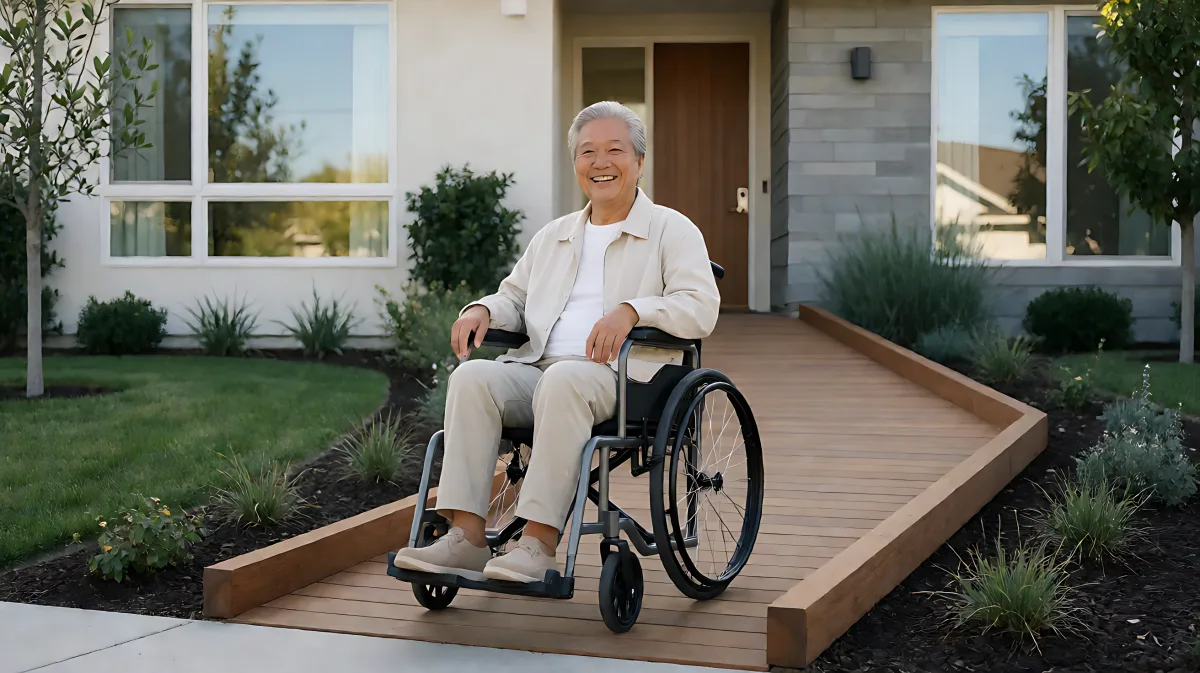
Making your home safer does not have to break the bank. This guide details how to access California state, federal, and private grants to fund essential accessibility modifications.
Two-thirds of older adults in California report that specific home modifications would allow them to remain independent and live in their current homes longer. In 2026, various grants and programs exist to cover these costs, ranging from free local handyman services to federal housing adaptations.
Who Qualifies for Home Modification Grants?
Eligibility typically hinges on age, income, and homeownership. Most state-funded programs target homeowners aged 62 or older or those with permanent disabilities. Income limits are set by local median income levels. For example, in the Los Angeles area, a single-person household earning up to $93,300 may qualify for specific city-run repair initiatives. Renters are generally excluded from grants that modify the structure, though some specific medical necessity programs may apply.
Which State and Local Programs Offer Financial Assistance?
The City of Los Angeles Housing Department administers the Handyworker Program, which provides up to $5,000 in funding for minor repairs and accessibility improvements for eligible seniors and disabled individuals. This program covers essential safety items like grab bars, smoke detectors, and wheelchair ramps. It is strictly limited to single-family homes in the city; duplexes, triplexes, and townhomes are not eligible. Another key program is the California Home Accessibility Program, which offers financial aid for ramps, lifts, and wider doorways, often coordinated through local Area Agencies on Aging.
How Do Federal VA and HUD Grants Work?
Veterans with service-connected disabilities can apply for the Specially Adapted Housing (SAH) or Special Housing Adaptation (SHA) grants from the Department of Veterans Affairs. The SAH grant supports owner-occupied homes, while the SHA grant assists veterans living with family. These funds can pay for major structural changes like installing stair lifts or widening hallways. Additionally, the Department of Housing and Urban Development supports local programs like the Community Development Block Grant, which helps fund health and safety upgrades for low-income families.
How Does Medi-Cal Cover Home Modifications?
For those enrolled in specific Medi-Cal plans, such as L.A. Care, Environmental Accessibility Adaptations are covered if they prevent institutionalization. This includes custom ramps, roll-in showers, and stair lifts. However, there is a lifetime maximum of $7,500 for these modifications. This limit only resets if you move to a new residence or if a significant change in your medical condition requires additional safety features. It is important to note that these adaptations must provide a direct medical benefit; general home improvements or aesthetic changes are not covered.
What Steps Should You Take to Apply?
Many families assume they must pay out of pocket for safety upgrades, but in fact, a structured application process can unlock significant funding. You must first identify which program fits your housing status and income. Next, gather documentation. The Handyworker program in Los Angeles requires proof of age, disability (if under 62), income, homeownership, and residency. For Medi-Cal modifications, a referral from a provider and a written consent from the homeowner are mandatory before work begins.
- Verify Eligibility: Confirm if your home type (single-family vs. multi-family) and income level meet the specific program criteria.
- Gather Documentation: Prepare property tax statements, utility bills, and income verification letters.
- Identify Needs: Create a list of health and safety hazards, prioritizing items like grab bars and ramps over cosmetic fixes.
- Contact Agencies: Reach out to your local Area Agency on Aging or call the relevant housing department to start the application.
- Seek Professional Quotes: For larger modifications, ensure contractors provide detailed estimates that align with grant limitations.
Common Mistakes to Avoid
One common misconception is that free repair programs cover all types of work. The Handyworker Program explicitly excludes new appliances, heating and air conditioning systems, pest control, and roofing. Another error is assuming that renters can easily get modifications funded. While some medical adaptations for renters exist, most structural grants require you to own the property. Always check the specific exclusions list before submitting an application.
FAQ
Can I apply for multiple grants at the same time?
Yes, you can often layer funding. For example, a veteran might use a VA grant for structural changes and a local grant for minor repairs, provided the specific line items do not overlap and both programs accept the combination of funds.
Do I need a licensed contractor for these modifications?
Yes, all physical adaptations to the home must be performed by licensed professionals or trained volunteers from approved non-profits. This ensures the work meets state safety and accessibility codes. Unlicensed work may void insurance or grant eligibility.
What if I cannot afford the cost not covered by grants?
Consider the AARP HomeFit booklet, which provides checklists for low-cost or free modifications you can do yourself, such as rearranging furniture or adding non-slip strips. Local non-profits like Rebuilding Together may also offer volunteer labor for certain simple projects.
How long does the application process take?
Timelines vary. The Los Angeles Handyworker program may have a waiting list due to high demand. Federal VA grants can take several months for approval and construction. It is best to start the process early and follow up regularly with the administering agency.