Fiber & Hydration for Older Adults
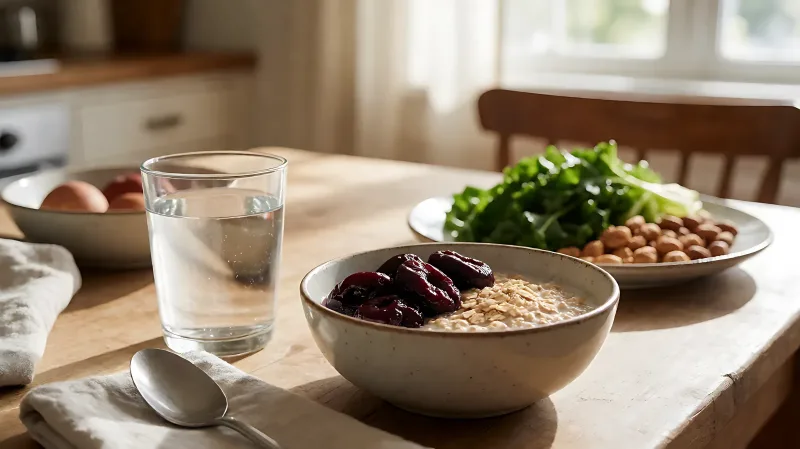
Learn how adjusting your diet with fiber and adequate hydration can prevent constipation and support digestive health in older adults, with expert-backed advice on portion sizes and food choices.
Preventing constipation in older adults requires balancing high-fiber foods with adequate hydration to maintain regular bowel movements. The National Institute of Diabetes and Digestive and Kidney Diseases (NIDDK) advises fewer than three bowel movements a week is a sign of the condition. Shifting to a diet rich in both soluble and insoluble fiber, alongside consistent water intake, supports gut motility and softens stool for comfortable passage.
For more information, see NIA healthy aging resources from the National Institute on Aging.
Why Does Constipation Affect Older Adults?
As we age, our bodies change. Metabolism slows down, and we often become less active. Additionally, the sensitivity of the colon to stretch and the strength of abdominal muscles can decrease, making it harder to move waste through the digestive tract. Medical conditions such as irritable bowel syndrome (IBS) or the use of certain medications can also contribute. However, for most people, the root cause is lifestyle. A lack of dietary fiber and insufficient fluid intake leads to hard, dry stools that are difficult to pass. According to the NIDDK, changing eating habits and increasing physical activity are the primary first steps in treatment and prevention.
What Is the Role of Fiber in Digestion?
Fiber is the non-digestible part of plant foods. It acts as a sweeping brush for the digestive system. There are two main types, and your body needs both.
Insoluble fiber does not dissolve in water. It stays in the digestive tract relatively intact, adding bulk to the stool and speeding up the movement of food and waste through the stomach and intestines. Think of it as the roughage. Good sources include:
- Whole grain wheat and bran
- Popcorn and nuts
- Leafy green vegetables like spinach and kale
- The skins of fruits and vegetables
Soluble fiber dissolves in water to form a gel-like substance. This gel holds water and makes stool softer and easier to pass. It also helps feed the healthy bacteria in the gut. Key sources include:
- Oatmeal and barley
- Bananas and apples
- Lentils and beans
- Cooked vegetables like pumpkin and carrots
The recommended daily fiber intake is approximately 25 to 30 grams for women and 30 to 38 grams for men. For older adults, aiming for the lower end of this range is a safe starting point, as fiber needs to be introduced gradually.
How Should You Increase Fiber Intake Safely?
A common mistake is to double your fiber intake overnight. The Johns Hopkins Medicine team emphasizes that this can cause bloating, gas, and cramping. Your digestive system needs time to adapt. Instead, add one high-fiber food per day. For example, swap white rice for brown rice at lunch or add a side of salad to your dinner. Aim to increase your intake by a few grams per week. A typical goal for a chronic constipation plan is to work up to a higher daily fiber limit under the guidance of a dietitian.
Why Is Hydration Critical for Digestive Health?
Fiber works by absorbing water. If you are eating more fiber but not drinking enough fluids, you risk worsening constipation. The large intestine is designed to draw water out of waste before it leaves the body. If you are dehydrated, the colon removes more water from the stool, leaving it dry and hard. Therefore, increasing fiber intake must always be paired with increased water consumption.
Most adults need about 9 to 13 cups of fluids per day. Water is the best choice. Herbal teas and de-caffeinated coffee also count. The Johns Hopkins Medicine experts note that hot beverages can stimulate the bowels, providing relief for some. In hot weather or after exercise, fluid needs are even higher.
What Foods Should You Avoid?
Some foods are more likely to contribute to constipation than others. High-fat foods are digested slowly and are often low in fiber. Limit:
- Fried and fast foods
- Processed meats and heavy dairy like cheese
- White flour products like white bread and pastries
- Refined sugar products
Diets high in fat, such as the ketogenic diet, are frequently linked to constipation in older adults. If you are on a specific therapeutic diet, consult a doctor to find low-carb fiber sources like leafy greens to balance your nutritional needs.
Do Exercise and Routine Play a Role?
Yes. The National Institutes of Health highlights that physical activity is essential for gut motility. Regular movement, even if it is just a 15-minute walk after meals, helps stimulate the muscles that push stool through the intestines. Furthermore, the act of eating stimulates the entire digestive system. Keeping a regular meal schedule helps maintain a regular bowel rhythm.
How Do Prunes and Natural Remedies Work?
Prunes are a well-known natural laxative, but it is not just about the fiber. Prunes contain sorbitol, a sugar alcohol that the body does not fully digest. When sorbitol reaches the colon, it draws water into the intestine, which softens the stool and triggers a bowel movement. Apple juice contains lower amounts of sorbitol and can be a good alternative for those who dislike the taste of prunes.
While over-the-counter supplements like psyllium husk can be helpful, they should be used with caution and only when directed. Herbal laxative teas are often poorly regulated and may cause cramping or dependence. The NIDDK advises speaking with a healthcare professional before starting any new supplement regimen, especially for older adults.
When Should You See a Doctor?
Self-care usually works for occasional constipation. However, you should consult a physician if your symptoms persist despite diet changes. The NIDDK states that you should seek immediate medical attention if you experience bleeding from the rectum, blood in your stool, or continual abdominal pain. These can be signs of underlying conditions that require diagnosis and specific treatment.
How fast do fiber changes work?
Results vary. Some people see improvement within a few days of increasing fiber and water intake. For chronic cases, it may take a few weeks for the gut microbiome and bowel habits to adjust fully to a new high-fiber diet.
Are all fibers created equal?
No. Insoluble fiber adds bulk, while soluble fiber softens stool. A balanced diet that includes both is most effective. Whole foods like apples with the skin on provide both types naturally.
Can older adults have too much fiber?
Yes. Excessive fiber without enough water can lead to severe bloating and gas. It is crucial to increase intake gradually and ensure you are drinking enough fluids to keep the stool moving smoothly.
Does timing of meals matter?
While research is limited, eating at regular times can help the body's natural rhythm. The gastrocolic reflex, where the stomach signals the colon to move after eating, is strongest in the morning and after the first meal of the day.