Fatty Liver Diet Plan for Seniors: Foods to Eat
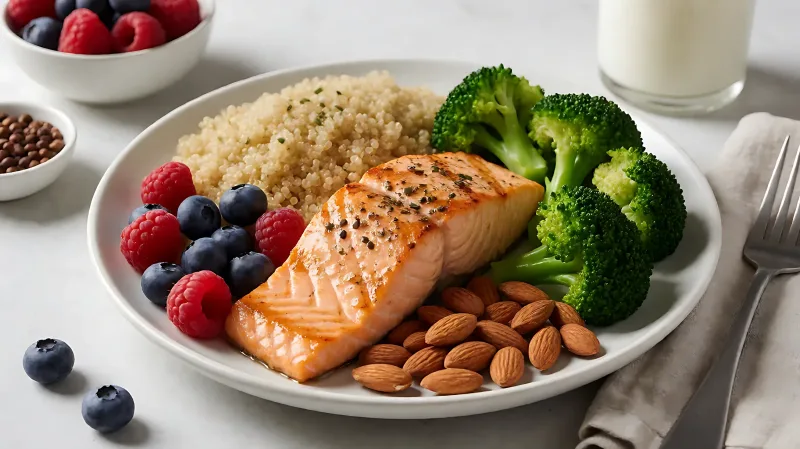
Discover how a targeted diet can help manage fatty liver disease in older adults, featuring expert-backed food choices and lifestyle adjustments.
Managing fatty liver disease in later years requires a strategic dietary shift focused on reducing abdominal fat and improving metabolic health. According to Cleveland Clinic, adopting a Mediterranean-style diet rich in whole foods can help reverse early-stage liver damage. This guide outlines specific food choices, portion sizes, and lifestyle changes that support liver regeneration for adults over 60.
For more information, see NIA health information for older adults from the National Institute on Aging.
What Is Fatty Liver Disease and Why Does It Matter?
Fatty liver disease, medically referred to as steatotic liver disease, occurs when excess fat accumulates in liver cells. The American Association for the Study of Liver Diseases notes that this condition is increasingly common among older adults, particularly those with Type 2 diabetes or obesity. The liver is the largest internal organ, weighing between 3 and 5 pounds, and it filters over 250 gallons of blood daily. When fat buildup becomes significant, it can lead to inflammation, known as steatohepatitis, which may progress to permanent scarring or cirrhosis if untreated. For seniors, maintaining liver function is critical for metabolism, detoxification, and blood sugar regulation.
Which Foods Should Seniors Eat to Support Liver Health?
Choosing the right foods helps the liver process toxins more efficiently and reduces the storage of new fat. A diet centered on the Mediterranean model is widely recommended by health experts for its anti-inflammatory properties.
- Leafy Greens and Cruciferous Vegetables: Foods like spinach, kale, and broccoli help with detoxification. The Centers for Disease Control and Prevention emphasizes the importance of vegetables for managing chronic diseases.
- Lean Proteins: Fish, particularly those rich in omega-3 fatty acids like salmon and mackerel, can help reduce liver fat. Eggs and skinless poultry are also excellent sources of protein without excess saturated fat.
- Whole Grains: Replace refined white bread and pasta with oatmeal, brown rice, and quinoa. These foods contain fiber, which slows sugar absorption and supports gut health.
- Healthy Fats: Extra virgin olive oil, avocados, and nuts like walnuts and almonds provide essential fats that protect liver cells. However, portion control is vital, as calories still count.
What Foods and Beverages Should Seniors Avoid?
Avoiding certain items is just as important as eating the right ones. The National Institutes of Health highlights that reducing the intake of processed sugars and refined carbohydrates is key to reversing steatosis.
How Much Alcohol Is Safe?
For individuals with fatty liver disease, limiting or avoiding alcohol is often the best course of action. Cleveland Clinic advises that even moderate drinking can worsen liver inflammation in those with existing conditions. If a senior does consume alcohol, the general guideline is no more than one standard drink per day for women and two for men, but consulting a physician is recommended.
Why Are Sugary Drinks Problematic?
Soda, sweetened coffees, and fruit juices contain high amounts of fructose, which the liver metabolizes directly into fat. The American Heart Association warns that excess sugar consumption is a major driver of metabolic dysfunction. Water, unsweetened tea, and black coffee are better alternatives. Studies suggest that moderate coffee consumption may actually protect against liver fibrosis.
How Many Calories Should a Senior With Fatty Liver Consume?
Caloric intake should be tailored to achieve a gradual weight loss of one to two pounds per week if overweight. Rapid weight loss can sometimes stress the liver, so a slow, steady approach is safer. Most seniors with liver concerns benefit from a modest calorie deficit. A typical target might range from 1,200 to 1,500 calories per day, depending on activity level and body size. A registered dietitian can help calculate the specific needs based on individual metabolic markers.
What Lifestyle Changes Complement a Liver-Healthy Diet?
Diet is only one piece of the puzzle. Regular physical activity improves insulin sensitivity, which helps the liver stop storing excess fat. The CDC recommends at least 150 minutes of moderate-intensity activity per week, such as brisk walking or swimming. Sleep hygiene also matters, as poor sleep is linked to higher risks of metabolic syndrome. Finally, seniors should review their medication lists with their pharmacist, as some drugs can affect liver enzymes. Avoiding unnecessary herbal supplements is crucial, as they can sometimes cause toxic hepatitis.
When Should You See a Doctor About Liver Concerns?
Early symptoms of liver distress are often subtle or absent. However, signs to watch for include persistent fatigue, unexplained weight loss, or yellowing of the skin and eyes (jaundice). Dark urine and pale stools can also indicate issues with bile production. Regular check-ups with liver function blood tests are advisable for those with risk factors like Type 2 diabetes. Early intervention allows for the reversal of mild fatty liver disease before it progresses to more severe stages like cirrhosis.
Frequently Asked Questions
Can fatty liver disease be reversed in seniors?
Yes, early-stage fatty liver disease is often reversible through lifestyle changes. The liver has a remarkable ability to regenerate. Weight loss of just 5 to 10 percent of body weight can significantly reduce liver fat and inflammation, according to the American Liver Foundation. However, once cirrhosis develops, the scarring is usually permanent.
Is the Mediterranean diet the best for liver health?
The Mediterranean diet is widely considered one of the most effective dietary patterns for managing metabolic disorders. It focuses on plant-based foods, healthy fats, and limited red meat. While no single diet guarantees a cure, this model is supported by numerous studies showing improvements in liver enzyme levels and body composition.
Do seniors need extra protein to protect their liver?
Protein is essential for tissue repair, but the quantity should be balanced. Seniors generally need 0.8 grams of protein per kilogram of body weight daily. In some cases of advanced liver disease, doctors may recommend specific types of protein to prevent muscle loss without overloading the liver. Always consult a healthcare provider for personalized protein targets.
How often should a senior get liver function tests?
For healthy individuals without risk factors, liver function tests are not routinely required annually. However, seniors with Type 2 diabetes, obesity, or a history of hepatitis B or C should discuss screening with their primary care physician. The CDC and NIH recommend personalized screening based on individual risk profiles.
Can coffee help prevent liver damage?
Emerging research suggests that moderate coffee consumption (three to four cups a day) may be associated with a lower risk of liver fibrosis and liver cancer. Coffee contains antioxidants that protect liver cells. However, it should be consumed without added sugar or cream to avoid counteracting its benefits.