Home Fall Prevention Checklist for Seniors
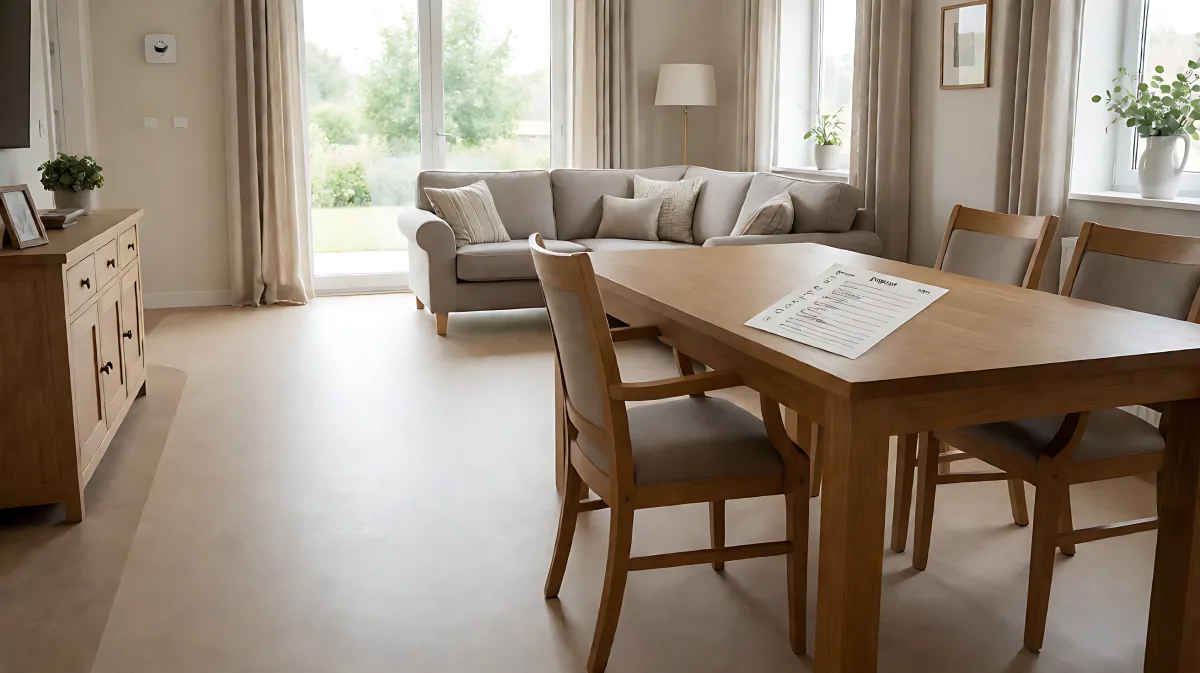
Falls remain a leading cause of injury for adults over 65. Use this evidence-based checklist to identify hazards, improve lighting, and modify your home to stay independent and safe.
Every year, more than one in four adults aged 65 and older in the US experiences a fall, resulting in approximately 43,000 deaths, according to the Centers for Disease Control and Prevention (CDC). To mitigate this risk, a structured home safety assessment is essential. This checklist outlines critical modifications for entryways, bathrooms, and living spaces to create a safer environment and support independent living.
Why Is a Structured Home Assessment Necessary?
Falls are the leading cause of injury among older adults, often due to environmental hazards combined with age-related changes in balance and vision. A systematic approach ensures that high-risk areas are not overlooked. By following a standardized checklist, families and professionals can prioritize changes that offer the highest safety benefits with minimal disruption. This method builds a clear record of recommendations, which is vital for tracking progress and coordinating with healthcare providers.
How Do You Make Entryways and Exterior Areas Safe?
The first point of entry into the home is a critical zone for accidents. Ensure that outdoor paths are free of debris, ice, and uneven paving. Steps should be even and well-lit, with sturdy handrails installed on both sides. Verify that doorways have low-profile thresholds or ramps to prevent tripping. Additionally, confirm that house numbers are highly visible for emergency responders and that doorbell cameras or intercoms function properly for secure visitor identification.
What Are the Key Bathroom Safety Modifications?
Bathrooms are consistently identified as the highest-risk area for falls due to wet surfaces and limited space. You must install grab bars near the toilet and inside the shower or tub, ensuring they are anchored securely into wall studs rather than just the drywall. Place non-slip mats or adhesive strips in all wet areas to increase traction. For those with mobility challenges, a shower chair and handheld showerhead allow for safe seated bathing. A raised toilet seat with armrests can significantly reduce the strain of standing and sitting, preventing dizziness-related incidents.
How Can You Improve Lighting and Visibility in Hallways?
Poor lighting is a major contributor to nighttime falls. Install motion-sensor lights or nightlights in hallways, bedrooms, and bathrooms to provide illumination without the need to fumble for switches. Keep walkways at least 36 inches (91 cm) wide to accommodate walkers or wheelchairs comfortably. Remove loose rugs or secure them with heavy-duty non-slip backing. Tuck electrical cords against walls or use cord covers to eliminate tripping hazards. Ensure that furniture is arranged to allow plenty of open walking space, and keep pets out of high-traffic areas where they might cause sudden stops.
Which Kitchen and Bedroom Adjustments Reduce Risk?
In the kitchen, store frequently used items on middle shelves to avoid the need for reaching high or climbing on stools. Ensure that any step stools used are stable and have handrails. Check that flooring near sinks and cooking areas is non-slip. In the bedroom, position a lamp or light switch within easy reach of the bed. Keep a phone or medical alert device on the nightstand for immediate access. Ensure the bed height allows feet to rest flat on the floor when sitting on the edge, which facilitates safer transfers.
How Do You Prepare for Emergencies and Daily Routine Support?
Preparedness is a key component of fall prevention. Post emergency contact numbers near phones and on the refrigerator. Test smoke detectors and carbon monoxide alarms monthly to ensure they are operational. Review medication organization systems to prevent confusion or missed doses that could lead to dizziness. Create a simple emergency plan that includes neighbors or nearby family members. For stairs in multi-level homes, confirm that handrails are secure on both sides and extend the full length of the flight. Add contrasting tape to step edges to improve visibility for those with vision decline.
What Role Does Exercise Play in Fall Prevention?
Home modifications are only half of the solution; physical capability is the other. Regular strength and balance training can significantly reduce fall risk. Evidence-based programs like the Otago Exercise Program focus on leg strength and balance, while Tai Chi improves coordination and body awareness. Incorporating simple daily activities like heel-to-toe walking, sit-to-stand exercises from a chair, and resistance band workouts can maintain the stability needed to recover from a stumble. Routine check-ups with a healthcare provider are also crucial to review medications and chronic conditions that may affect balance.
Fall Prevention Home Safety FAQ
How often should I update my fall prevention checklist?
You should review your home safety checklist at least twice a year, or whenever there is a change in mobility, health, or home layout. Seasonal changes, such as the arrival of ice and snow, may require additional exterior safety measures like removing leaf clutter or adding traction mats.
Are grab bars effective for all types of falls?
Grab bars are most effective for preventing slips in wet areas like bathrooms and for providing support when transferring to a toilet or shower. They do not prevent trips over objects or falls due to dizziness or medication side effects, which require different interventions such as medication review or exercise therapy.
What is the cost of basic home fall prevention modifications?
Basic modifications like motion-sensor lights, non-slip mats, and grab bars are relatively low-cost, typically ranging from $50 to $500 per item depending on the model. Professional installation of grab bars and stair railings can cost between $200 and $1,500, but many insurance plans or government programs may cover part of this expense.
Can I use this checklist if I use a wheelchair?
Yes, but the priorities will shift. For wheelchair users, the focus should be on ensuring 36-inch wide pathways, removing thresholds that block wheels, and securing handrails for transfers. Bathroom modifications will likely include roll-in showers or accessible toilets, which may require professional architectural assessment.