Emergency Preparedness Strategies for Senior Organizations
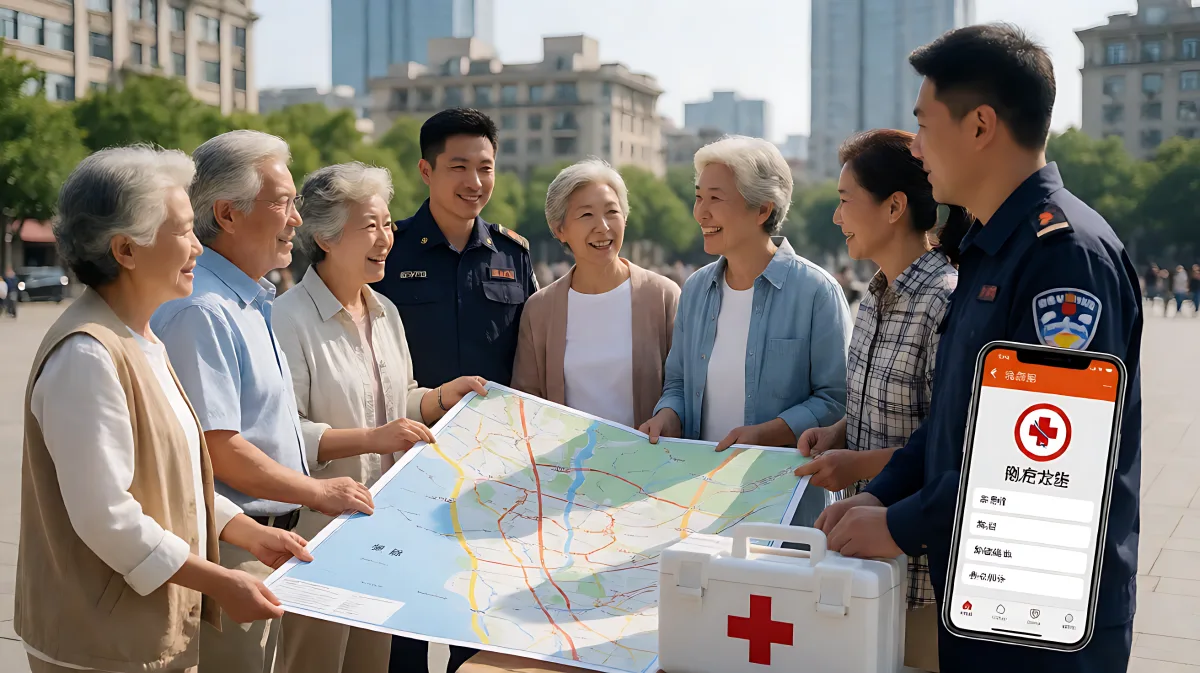
Senior organizations are redefining emergency preparedness. Learn how AARP’s 2026 Community Challenge and USAging’s workforce data drive resilience for older adults.
Senior organizations are now at the forefront of emergency preparedness for older adults. In 2026, groups like AARP and USAging are integrating comprehensive disaster planning into their core strategies, focusing on community resilience, workforce sustainability, and targeted policy advocacy to protect vulnerable populations.
Why 2026 Marks a Shift in Senior Emergency Strategy
The landscape for older adults facing natural and public health emergencies has changed significantly. Organizations are moving beyond simple awareness campaigns toward operational readiness. This shift is driven by data showing that older adults face unique risks during disasters, including mobility challenges, medication management, and a higher likelihood of living alone. Strategic planning now requires a proactive approach that involves local governments, healthcare providers, and community groups working in tandem.
What is the role of AARP in community resilience?
AARP’s 2026 Livable Communities Community Challenge highlights the power of local collaboration. The initiative encourages communities to design and implement projects that improve livability, with a specific focus on age-friendly design. While not exclusively a disaster program, the framework used by AARP for assessing community needs is directly applicable to emergency scenarios. By identifying gaps in transportation, communication, and physical infrastructure, communities can build the necessary resilience to withstand and recover from crises.
Key components of this strategy include mapping vulnerable populations and establishing clear lines of communication between local leaders and older residents. AARP advocates for an integrated approach where housing, health, and emergency services are not siloed but function as a connected system.
How is USAging tackling the direct care workforce crisis?
Emergency preparedness is not just about the community; it is about the people who provide care. USAging, the membership organization for the nation's 3,900 Area Agencies on Aging (AAA), has released new data based on their National Survey of Area Agencies on Aging. This survey highlights a critical gap: persistent shortages of direct care workers (DCWs) directly compromise the health and safety of older adults, particularly during emergencies when rapid response is required.
The 2026 data indicates that without a stable, well-paid workforce, the ability to deliver in-home support and rapid evacuation services is at risk. USAging’s strategy focuses on improving wages, providing career pathways, and reducing burnout. This ensures that the human resources necessary for emergency response are not just present, but capable and willing to perform under pressure.
Strategic Pillars for 2026 Emergency Readiness
Effective organizational strategy in this sector now revolves around three main pillars: funding, metrics, and intersectionality. Modern preparedness plans must be funded not just as a line item but as a core investment in public health.
What metrics should senior organizations track?
Organizations must move beyond counting events held and start measuring outcomes. Key metrics for 2026 include the percentage of at-risk residents who have a personalized emergency plan and the average response time of direct care teams to emergency alerts. Additionally, tracking the retention of diverse emergency response staff is crucial. If a workforce is high-turnover, the community's ability to remember and execute complex protocols weakens. Successful organizations align their diversity, equity, and inclusion (DEI) goals with their emergency operations, ensuring that the people responding to a crisis are trained to support a diverse community.
How does intersectionality improve emergency outcomes?
Strategy in 2026 is grounded in an intersectional lens, which means recognizing that older adults are not a monolith. The vulnerabilities of a rural farmer differ from those of an urban dweller on social assistance. By centering the needs of the most marginalized, organizations create more robust plans that work for everyone. This involves customizing communication strategies (e.g., large print, multilingual, TTY) and ensuring physical environments are accessible to people of all mobility levels.
Coordinating with Global Health Frameworks
Local strategies are now influenced by international health bodies. The International Council of Nurses (ICN) is pushing for pandemic-ready health workforces. While this is a global effort, its impact is local. The ICN’s 2026 advocacy for healthy aging in the UN General Assembly emphasizes that older adults must not be treated as a secondary concern during health crises. Senior organizations are adopting these global standards to ensure that their local emergency plans align with the latest in clinical best practices and workforce support.
Practical Steps for Implementation
- Conduct a Needs Assessment: Map the physical and digital assets of your community. Identify areas with high older adult populations and low emergency infrastructure.
- Build Workforce Capacity: Collaborate with USAging members to improve the direct care worker pipeline. Focus on recruitment, retention, and training specific to disaster scenarios.
- Integrate with Local Government: Work with local emergency management agencies to ensure that senior-specific protocols are included in the broader city or county plan.
- Measure and Report: Establish baseline metrics for community preparedness. Use data from the AARP Livable Communities framework to benchmark your progress year-over-year.
Frequently Asked Questions
What is the most common gap in emergency planning for older adults?
The most frequent gap is in communication. Many plans do not account for sensory impairments or the digital divide, leaving older adults unable to receive alerts or navigate evacuation routes.
How much funding does emergency preparedness for seniors require?
Funding varies by community size, but a sustainable strategy requires dedicated annual budgets. This includes costs for technology (alert systems), training for staff, and physical infrastructure upgrades to ensure accessibility.
Why is workforce stability critical in senior emergencies?
Emergency response is a high-stress environment. A stable, well-supported workforce reduces burnout and ensures that protocols are executed correctly. Shortages, as highlighted by USAging data, lead to errors and delays in care.
What is the role of intersectionality in senior organization strategy?
Intersectionality ensures that plans are not just for 'older adults' but for specific groups like disabled seniors, those in rural areas, or non-native speakers. This inclusive approach creates stronger, more reliable emergency systems.