Elderly Meal Delivery Safety Guide 2026
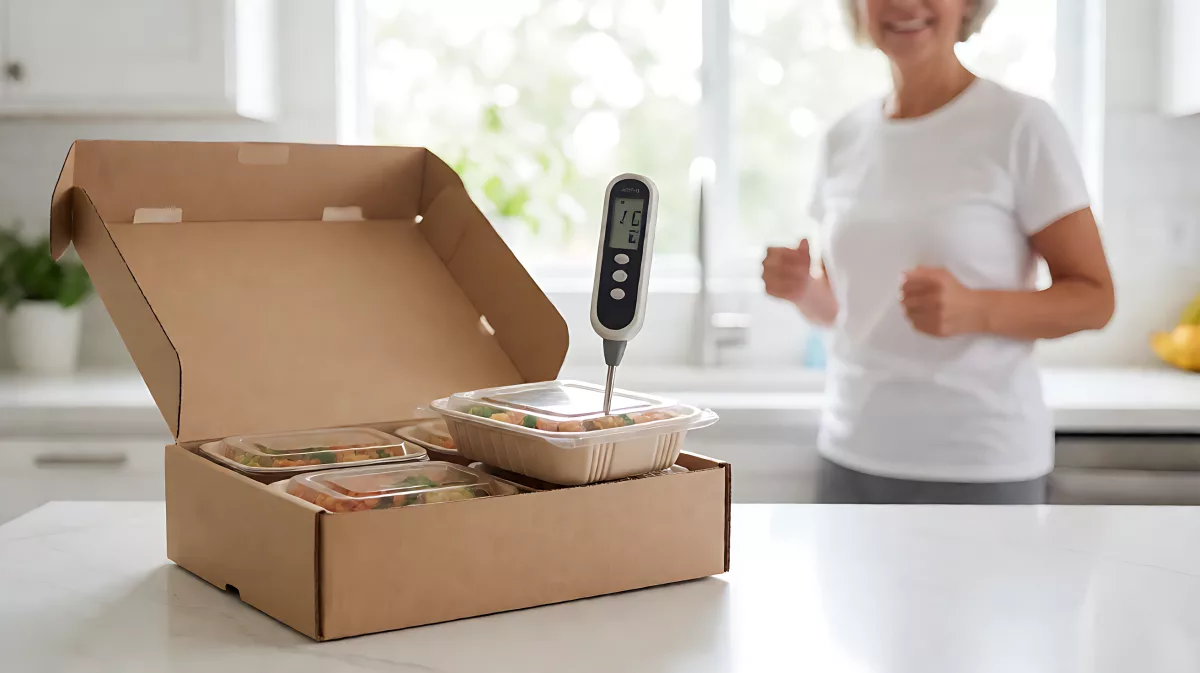
Meal delivery is vital for seniors but poses unique food safety risks. This guide outlines how to verify temperature controls, inspect packaging integrity, and manage storage to keep elderly clients safe.
Delivering fresh meals to seniors reduces isolation but introduces specific food safety risks that standard logistics often overlook. To protect elderly consumers, service providers must maintain strict temperature control, while recipients should verify packaging integrity and adhere to immediate refrigeration. This guide details the operational and consumer-side protocols necessary to prevent foodborne illness in home-delivered senior nutrition programs.
Why Food Safety Matters More For Older Adults
Older adults face a heightened risk from foodborne pathogens due to physiological changes that affect the immune system and digestive tract. The Centers for Disease Control and Prevention notes that people aged 65 and older are significantly more likely to hospitalize or die from foodborne illnesses compared to younger demographics. As the gastrointestinal tract ages, acid production often decreases, reducing the body's natural barrier against harmful bacteria. Furthermore, many seniors manage chronic conditions like diabetes or heart disease, which can further compromise immune response. This physiological vulnerability means that a meal that might be safe for a healthy young adult could pose serious health risks to a senior with a weakened immune system.
How Do Providers Ensure Safe Transit?
The journey from kitchen to door is where most safety failures occur. Reliable meal delivery services use insulated packaging to maintain the "cold chain" for perishable items or "hot chain" for freshly cooked meals. In 2026, many leading logistics firms in the food sector have adopted IoT-enabled cold chain monitoring, where sensors log temperature data in real-time. This technology ensures that if a bag's interior temperature rises above 40°F (4.4°C) for perishable foods, the system flags the shipment. For senior-specific providers, this is not just a convenience feature but a critical safety gate. If a temperature excursion is detected, the meal is typically discarded and replaced to prevent the growth of bacteria such as Listeria monocytogenes, which thrives at refrigerator temperatures but grows rapidly at room temperature.
What Should Seniors Check Upon Delivery?
Receiving a meal is not just about opening the box; it is a safety inspection. Seniors or their caregivers should perform three specific checks before accepting delivery. First, inspect the outer packaging for tears, wetness, or crushed insulation. A compromised seal allows external contaminants to enter and accelerates temperature changes. Second, if the service provides a temperature sticker or a digital log, verify that the food has stayed within safe zones. Third, use a clean food thermometer to check the internal temperature of any hot meals. Safe hot holding temperatures are above 140°F (60°C). For chilled meals, the internal temperature should be 40°F (4°C) or lower. If a hot meal feels warm to the touch but not hot, or a cold meal feels cool rather than cold, it should be treated as potentially unsafe and discarded.
Is The "Danger Zone" A Real Risk At Home?
Yes. The temperature range between 40°F and 140°F is known as the danger zone, where bacteria can double in number every 20 minutes. Many seniors live alone and may leave delivered meals on the counter while they are on the phone or in another room. This delay is the most common cause of post-delivery spoilage. To mitigate this, the meal must be moved to the refrigerator or freezer within one hour of arrival. For hot meals, if they are not being eaten immediately, they should be divided into smaller, shallow containers to cool faster before being sealed and refrigerated.
How To Store And Reheat Delivered Meals Safely
Once the meal is safely stored, proper handling during reheating is essential. Many elderly consumers use microwaves because they are safer than stovetops, but uneven heating can create cold spots where bacteria survive. To prevent this, stir food halfway through the heating process. Use a food thermometer to ensure the center of the food reaches at least 165°F (74°C) before eating. Do not reheat the same meal more than once, as this increases the risk of bacterial proliferation. If a meal has been left out for more than two hours, or more than one hour if the ambient temperature is above 90°F (32°C), it must be thrown away regardless of how it smells. Odor is not a reliable indicator of safety; many harmful bacteria do not change the smell or taste of food.
What Role Does Packaging Play In Safety?
Packaging is the first line of defense against cross-contamination. In 2026, consumer perception studies indicate that while seniors trust online ordering platforms, they remain wary of the hygiene aspects of contactless delivery. A study published by the Korean Rural Economic Institute in 2026 found that households with health-vulnerable members, including the elderly, perceive contactless food services as higher risk due to the inability to visually verify sanitation. To address this, modern meal kits often use tamper-evident seals. If a seal is broken or the tray is bulging, the package should be rejected. Additionally, packaging materials should be food-grade and free of sharp edges that could pierce the barrier. For seniors with limited dexterity, packaging that opens easily without tools reduces the risk of spills and cross-contamination with hands or other surfaces.
FAQ
How long can I keep a delivered meal in the fridge?
Most prepared, perishable meals should be consumed within three to four days of delivery. Always check the printed "best by" or "use by" date on the packaging. If the meal has no label, assume a three-day limit to be safe. Freezing is an option for extending shelf life, but texture and quality may degrade for certain dishes.
What if the food looks or smells strange?
If there is any doubt about the safety of the food, do not eat it. Strange smells, slime on the surface, or off-colors are signs of spoilage. Contact the delivery provider immediately to report the issue and arrange a replacement. Your health is more important than a single meal, and reputable services will not contest a safety-related refund.
Are frozen meal deliveries safer than fresh ones?
Frozen meals are generally safer in terms of bacterial growth because they are kept at 0°F (-18°C), which halts bacterial activity. However, thawing is a critical step. Seniors should thaw frozen meals in the refrigerator, not on the counter. Fresh meals require stricter attention to temperature control during the final hour of transit and storage at home.
Should I wash the packaging before handling it?
You do not need to wash the inside of the tray, but it is good hygiene to wash your hands before and after handling the food. If the outer box is dirty or has been sitting on the floor, move the inner tray to a clean counter immediately. Avoid placing the raw delivery box on kitchen surfaces where food is prepared.