Drug Interaction Risks: Safe Medication Guide
Not all medication combinations are safe. Learn how to detect risks from drugs, foods, and supplements, and take immediate steps to protect your health with this practical guide.
Drug interactions occur when one substance changes how another works, potentially reducing effectiveness or causing harmful side effects. To stay safe, always check combinations of prescriptions, over-the-counter medicines, foods, and supplements with a healthcare professional before starting new treatments. Keeping an updated list of all substances you take is the single most effective way to prevent dangerous reactions.
What exactly is a drug interaction?
A drug interaction is an unwanted change in a medication’s effect due to the presence of another substance. This can happen when a new medicine interferes with an existing one, or when food, alcohol, or herbal supplements alter how your body processes drugs. These interactions do not always result in immediate danger; sometimes they simply make a medication less effective. However, in serious cases, they can lead to toxicity, organ damage, or life-threatening reactions. Understanding that interactions are not just about two pills in a cup, but about how your body metabolizes and absorbs substances, is key to managing your health.
What are the three main categories of interactions?
Healthcare providers generally group these risks into three distinct types. The first is drug-drug interactions, where two medications, such as a blood thinner and an anti-inflammatory, affect each other’s activity. The second is drug-food or drink interactions, where items like grapefruit juice or alcohol change how a drug is absorbed. The third is drug-condition interactions, where an underlying health issue makes a specific medication unsafe. For instance, taking a decongestant when you have high blood pressure can dangerously spike your readings. Recognizing which category applies to your situation helps you ask the right questions during medical appointments.
How do supplements and herbs affect prescription medicines?
Many people assume that natural supplements are automatically safe because they are sold without a prescription. This is a common and dangerous misconception. In fact, herbs and dietary supplements can be highly active in the body and interact with medications just like pharmaceutical drugs. St. John's wort, for example, is widely used for mood support, but it can significantly reduce the effectiveness of many heart and HIV medications. It can also increase the risk of a serious condition called serotonin syndrome when taken with certain antidepressants. Similarly, minerals like calcium can bind to thyroid hormones, preventing them from being absorbed properly. You must treat every supplement with the same scrutiny as a prescription drug.
Why are older adults at a higher risk?
As we age, our bodies undergo natural changes that make medication management more complex. The liver and kidneys, which process most drugs, become less efficient over time. Research indicates that medication metabolism can decline by up to 30% in adults over 75, causing drugs to accumulate in the body. This increases the likelihood of side effects. Furthermore, the phenomenon of polypharmacy, where a person takes multiple medications, is increasingly common. A recent analysis published in JAMA highlighted that approximately 40% of adults aged 65 and older were taking five or more prescription medications within a 30-day period. This is a significant increase from previous decades. Each new prescription adds complexity, raising the chance of a mix-up if providers are not fully aware of the entire medication list.
What are the most dangerous food and drink combinations?
Food interactions are often overlooked but can have serious consequences. Grapefruit and grapefruit juice are notorious for blocking an enzyme in the intestines that breaks down certain drugs. This can cause the medication to build up to toxic levels, affecting statins, some blood pressure drugs, and anxiety medicines. Alcohol is another major concern. It can worsen the sedating effects of painkillers, antihistamines, and anxiety medications, increasing the risk of falls, drowsiness, and respiratory issues. Even non-alcoholic drinks can matter; high-potassium foods and juices can interfere with blood pressure medications known as ACE inhibitors. If your doctor advises limiting certain fruits, ask for specific alternatives to ensure you get enough nutrition without risking your dosage.
How can you create a safe medication routine?
You do not need to be a pharmacist to manage your safety, but you do need a system. The following checklist helps you stay organized and proactive:
- Maintain a master list: Keep a current list of all prescriptions, over-the-counter meds, vitamins, and supplements. Update it immediately when a provider makes a change.
- Use one pharmacy: Ideally, consolidate all your prescriptions at a single pharmacy so their technicians can screen for interactions automatically.
- Disclose lifestyle habits: Tell your providers about your alcohol, tobacco, or recreational drug use. These substances interact with medications in ways that are not always obvious.
- Read labels for active ingredients: Many cold and flu remedies contain the same active ingredients as prescription painkillers. Taking both can lead to an accidental overdose.
- Schedule regular medication reviews: Ask your healthcare provider to review your entire list at least once a year, or more often if you have multiple chronic conditions.
What happens when an interaction occurs?
Most drug interactions are manageable and reversible. Your provider might adjust the dose, switch to a different drug, or suggest spacing out your medications. However, severe interactions can lead to adverse drug events, which are harmful, unintended responses to medication. According to a study cited by health officials, the risk of adverse drug reactions rises sharply with the number of medications taken. While the risk is about 13% for those taking two drugs, it jumps to 58% for those taking five, and reaches 82% for those taking seven or more. This statistic underscores why monitoring is critical. If you notice new symptoms like confusion, unusual bleeding, extreme drowsiness, or a rash after starting a new regimen, contact your provider immediately. Do not stop taking a medication on your own without professional guidance, as this can cause withdrawal effects or leave your condition untreated.
FAQ
Can I take an over-the-counter medicine with my prescription?
You should always ask your pharmacist or doctor first. Over-the-counter drugs are not necessarily weaker or safer; they contain active ingredients that can interact with prescription medications. For example, taking an NSAID pain reliever with a blood thinner increases bleeding risk. Check the label for ingredients and consult a professional before adding anything new to your routine.
Do herbal supplements count as drug interactions?
Yes. Herbs like St. John's wort, ginkgo biloba, and garlic supplements have biological effects that can interfere with how your liver processes medications. They can make some drugs work too strongly or too weakly. Always disclose all herbal products you use to your healthcare team.
How do I keep track of all my medications?
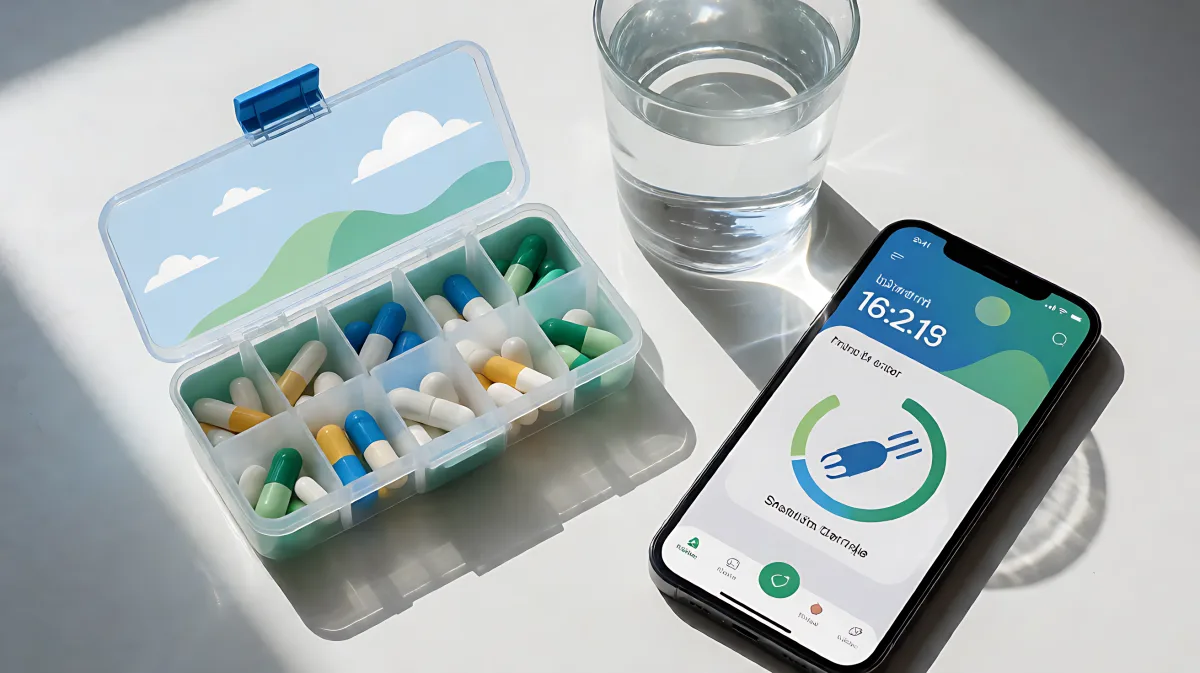
Use a pill organizer or a dedicated app to log your daily doses. Keep a printed list in your wallet or on your phone. Update this list every time a provider adds, removes, or changes a dose. When you visit a new doctor, hand them this list so they can see the full picture of your health history and current regimen.
Is it dangerous to mix alcohol with medication?
For many medications, yes. Alcohol can increase drowsiness when mixed with sedatives or painkillers. It can also raise the risk of stomach bleeding when combined with anti-inflammatories or blood thinners. Some diabetes medications can cause low blood sugar, a risk that alcohol can worsen. If your medication label does not explicitly warn against alcohol, still discuss safe limits with your doctor.
What should I do if I suspect I have taken the wrong combination?
If you believe you have taken a dangerous mix, contact your healthcare provider or a poison control center immediately. Do not wait for symptoms to appear. Bring all the packaging with you or have the names and doses ready. Quick action can prevent serious adverse events.