Diverticulitis Diet Guide: Fiber & Flare Management
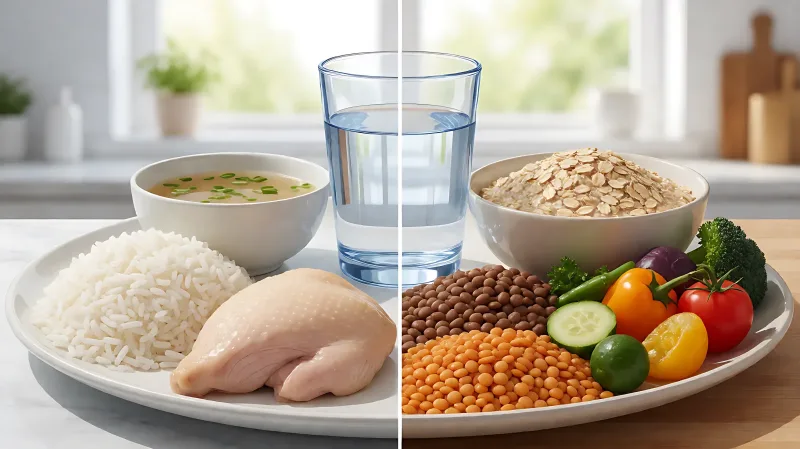
Discover how to manage your diet during a diverticulitis attack and safely reintroduce fiber to prevent future flares and support colon health.
During an acute diverticulitis flare, switch to a clear liquid or low-fiber diet to reduce colon pressure, then gradually reintroduce fiber over several weeks once symptoms resolve. This phased approach helps heal inflammation while restoring the high-fiber intake needed to prevent future attacks.
For more information, see NIA health information for older adults from the National Institute on Aging.
What Should I Eat During a Diverticulitis Flare?
When a diverticular pouch becomes inflamed or infected, the immediate priority is to rest the colon. The American College of Gastroenterology (ACG) guidelines suggest that the specific diet depends on the severity of the episode. For mild cases, patients may be advised to follow a clear liquid diet for two to three days. This includes water, clear broth, gelatin, and sugar-free juices. If symptoms are slightly better, a low-fiber diet is often recommended to minimize stool volume and colon contractions.
Common low-fiber foods safe during the early recovery phase include:
- White rice, white bread, and pasta without whole grains
- Cooked spinach, asparagus, carrots, or beets with skins removed
- Potatoes and squash without skin or seeds
- Canned fruits without seeds, such as peaches or pears
- Poultry, fish, and eggs prepared plainly
Should I Drink Antibiotics with Food?
Many diverticulitis cases require antibiotics to treat the bacterial infection. If your physician prescribes oral antibiotics, ask your pharmacist whether the medication should be taken with food. Taking it with a small, bland meal can help prevent stomach upset, which is a common side effect of these drugs. Avoid high-fat meals, as they may delay the absorption of certain antibiotics.
Why Is Fiber Important for Long-Term Recovery?
Once the acute inflammation subsides, the focus shifts to prevention. A high-fiber diet is the cornerstone of long-term management. Fiber adds bulk to stool, which prevents the straining and increased pressure in the colon that contributes to diverticulosis. The National Institute of Health (NIH) notes that a diet high in fiber can significantly reduce the risk of recurrence.
It is crucial to introduce fiber gradually. Jumping from a low-fiber diet to a high-fiber regimen too quickly can cause bloating, gas, and cramping, which might mimic a flare-up. Aim to increase your intake by a few grams per day. Most adults need between 25 and 30 grams of fiber daily. For those consuming 2,000 calories a day, a target of 28 grams is a practical benchmark.
Which High-Fiber Foods Help Prevent Future Flares?
As you heal, slowly add fiber-rich foods back into your meal plan. The following options are excellent sources of dietary fiber:
- Whole Grains: Oats, quinoa, bulgur, and whole-wheat pasta
- Legumes: Black beans, kidney beans, lentils, and chickpeas
- Fruits and Vegetables: Berries, apples with skin, pears, broccoli, and collard greens
- Seeds and Nuts: Chia seeds, flaxseeds, pumpkin seeds, almonds, and pistachios
Are Popcorn and Nuts Safe for Diverticulitis?
Older medical advice often told patients to avoid seeds, nuts, and popcorn, fearing they would lodge in diverticular pouches. However, modern research from institutions like Johns Hopkins Medicine confirms this is a myth. Decades of data show that consuming seeds and nuts does not increase the risk of diverticulitis flares. In fact, these foods are high in fiber and beneficial for overall colon health.
How Much Water Do I Need for Colon Health?
Fiber works by absorbing water in the digestive tract to soften stool. Without adequate hydration, fiber can lead to constipation, which counteracts its benefits. A common rule of thumb is to drink half your body weight in ounces. For a 180-pound individual, this means about 90 ounces of water per day. Staying hydrated is essential for keeping the bowels moving smoothly during the transition back to a high-fiber diet.
Frequently Asked Questions
When can I return to a normal diet?
Follow your doctor’s specific timeline, but generally, transition to low-fiber foods within a few days of symptom relief, then introduce high-fiber items over one to two weeks. Monitor your body for any signs of pain or bloating.
Can a diet prevent diverticulosis?
While diverticula often develop with age, a diet low in refined sugars and high in fiber can reduce the risk of them becoming inflamed. Red meat and processed foods are linked to a higher risk, while fruits and vegetables are protective.
Do I need to follow a low-FODMAP diet?
Some individuals find that reducing high-FODMAP foods like onions, garlic, and certain beans helps manage bloating. However, this is not a universal requirement. Consult a dietitian before starting this restrictive diet to ensure nutritional adequacy.
What if I have no symptoms but have diverticula?
If you have diverticulosis but no signs of infection, you do not need a special diet. Instead, maintain a consistent high-fiber diet and drink plenty of water to prevent future complications.