Dietary Guidelines 2025-2030: Eat Real Food Guide
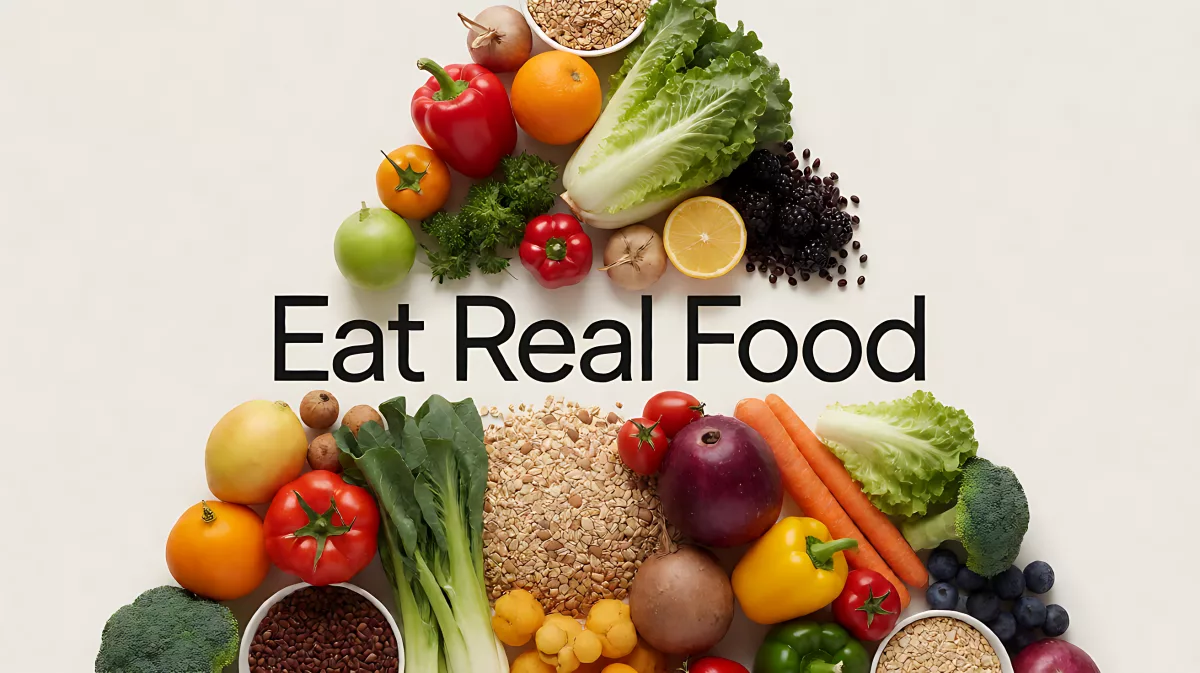
The new Dietary Guidelines for Americans 2025-2030 promote a simple message: eat real food. This guide explains the core principles and how to apply them for better health.
The new Dietary Guidelines for Americans 2025-2030 emphasize a straightforward approach: eat real food. Developed by the USDA, these guidelines replace complex nutrient tracking with a focus on whole, minimally processed items to improve health outcomes for everyone.
What Changed in the Latest Guidelines?
The core message of the Dietary Guidelines for Americans, 2025-2030 is a shift towards simplicity. Rather than focusing on specific micronutrient quotas, the directive encourages consumers to prioritize "real food." This includes whole grains, fruits, vegetables, nuts, and seeds, while discouraging heavily processed items. The USDA Science team has underscored that this approach makes it easier for families to build nutritious meals without needing a chemistry degree.
How Does "Eat Real Food" Impact Daily Life?
This philosophy simplifies meal planning. Instead of scrutinizing complex supplement labels or trying to hit specific vitamin counts, individuals are guided to fill their plates with naturally nutrient-dense items. The guidelines also provide resources for every life stage, from pregnancy and breastfeeding to older adulthood, ensuring that the "real food" model is adaptable to individual needs.
Can You Trust Modern Food Labels?
Navigating grocery store aisles can be confusing, but the current guidelines offer tools to separate facts from fiction. The USDA has updated its educational resources to help consumers read food labels effectively. Understanding the difference between "natural" marketing claims and verified nutritional content is a key part of the 2025-2030 framework.
How Do We Spot Nutrition Misinformation?
With the rise of digital media, false health claims are common. The American Society for Nutrition (ASN) and the USDA both highlight the importance of verifying sources. According to recent discussions at the NUTRITION 2026 conference, topics like ultra-processed foods and the impact of GLP-1s are critical areas for public education. Dr. Keith P. West, Jr., the newly appointed ASN President, notes that peer-reviewed science must remain the gold standard for dietary decisions.
Where Can You Find Reliable Nutrition Data?
Trustworthy information is available through government-backed platforms. The USDA’s FoodData Central database provides comprehensive nutrient composition data for over 400,000 foods. This tool allows users to look up specific ingredients rather than relying on potentially misleading marketing on package fronts.
How Does School Nutrition Fit In?
Nutrition extends beyond individual choices to public programs. The USDA’s National School Lunch Program remains a vital pillar of food access. As of recent reporting, the program serves hundreds of millions of meals annually, demonstrating the scale at which federal nutrition policies operate to support healthy development in youth.
Frequently Asked Questions
What is the main difference between the 2025-2030 guidelines and previous versions?
The primary difference is the shift away from numerical nutrient targets towards a qualitative focus on food choices. The new directive emphasizes consuming "real food" and reducing reliance on highly processed products, making the advice more accessible to the average consumer.
How can I verify if a health claim is legitimate?
Consult the American Society for Nutrition or the USDA’s official resources. Avoid relying on social media influencers for medical advice. Look for claims supported by peer-reviewed journals like The Journal of Nutrition or specific dietary supplements that have undergone FDA safety reviews.
Are there specific resources for older adults?
Yes. The nutrition.gov platform categorizes tips by life stage. For older adults, the focus is on maintaining muscle mass and bone density through adequate protein intake and vitamin D, while ensuring hydration and managing chronic disease risk through whole-food diets.
Does "real food" mean giving up all processed items?
It means minimizing ultra-processed foods that contain long lists of artificial additives and excessive sugar. Canned vegetables, frozen fruit, and whole-grain breads are generally considered "real food" options that are minimally processed and retain significant nutritional value.