Dangerous Medication Combinations for Older Adults
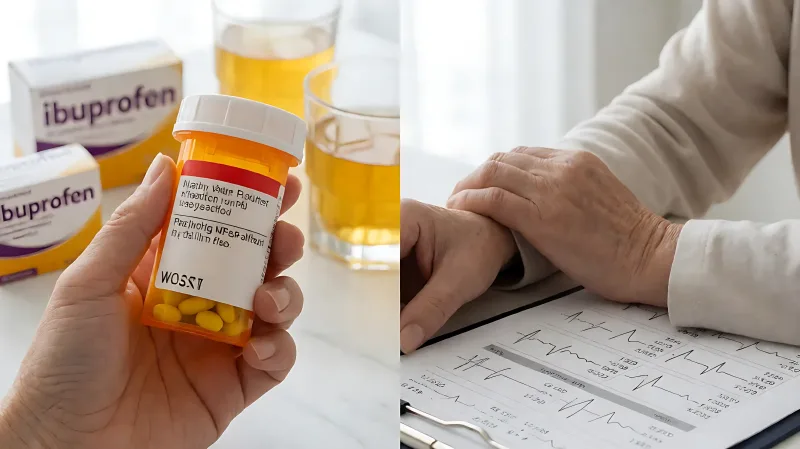
For many adults over 65, the risk of drug interactions rises sharply. This guide explains why combining blood thinners with NSAIDs or alcohol can lead to severe bleeding or respiratory failure, and lists safer alternatives.
Combining blood thinners with NSAIDs like ibuprofen or naproxen significantly increases the risk of severe gastrointestinal bleeding in older adults. Similarly, mixing alcohol with sedatives or opioids can suppress breathing, a leading cause of accidental overdose deaths. The National Institute on Alcohol Abuse and Alcoholism (NIAAA) notes that 80% of Americans aged 65 and older took a medication in the past year that could interact negatively with alcohol. To prevent harm, older adults should avoid mixing anticoagulants with non-steroidal anti-inflammatory drugs and should strictly limit or eliminate alcohol intake when prescribed sedatives.
For more information, see MedlinePlus medication information from MedlinePlus.
Why are blood thinners and NSAIDs a dangerous mix?
Antiplatelet drugs and anticoagulants, often prescribed for atrial fibrillation or post-stroke prevention, stop the blood from clotting. NSAIDs, which include over-the-counter pain relievers like Advil and Aleve, also inhibit platelet function. According to Harvard Medical School experts, taking these classes together compounds the effect on the digestive tract, raising the likelihood of internal bleeding. For seniors, who already have thinner stomach linings and slower healing times, this combination poses a critical risk. If you require pain relief while on a blood thinner, acetaminophen (Tylenol) is generally considered a safer option, provided you do not exceed 3,000 mg per day to protect liver function.
- Ibuprofen: Available in brands like Advil and Motrin. Avoid if taking warfarin or DOACs.
- Naproxen: Available in Aleve. Has a longer half-life, making the bleeding risk persist for hours after taking it.
- Aspirin: While a blood thinner itself, adding aspirin to other anticoagulants without medical supervision drastically increases bleed risk.
How does alcohol affect medication metabolism in seniors?
The liver processes both alcohol and many drugs through the same enzymes. In adults over 65, liver mass decreases and blood flow slows, meaning these enzymes become less efficient. This leads to three main problems: the body may clear medication too slowly, causing toxic buildup; the medication may alter how the body processes alcohol, raising blood alcohol concentration; or the drugs may amplify each other's side effects. The NIAAA warns that alcohol interacts with dozens of common prescriptions. If you are taking benzodiazepines for anxiety or opioids for chronic pain, even one drink can reduce your reaction time and suppress your respiratory drive. Since alcohol also worsens sleep quality, it undermines the very purpose of taking sleep aids.
Which specific drug pairs should you never combine?
Beyond the well-known bleeding risks, several other combinations require strict separation. Sedative-heavy mixes are the most lethal. Combining opioids, benzodiazepines, and alcohol creates a synergistic effect on the brainstem, the center of vital functions like breathing. Health agencies have reported for years that alcohol plays a major role in a large share of prescription opioid overdose deaths. Additionally, certain food and drink interactions matter. Grapefruit juice inhibits enzymes that break down statins and some blood pressure medications, potentially leading to dangerous spikes in drug levels in the bloodstream. Similarly, high-potassium foods like bananas and salt substitutes can interfere with ACE inhibitors, used to treat high blood pressure, by altering electrolyte balance.
| Medication Class | Risky Pairing | Primary Danger |
|---|---|---|
| Anticoagulants | NSAIDs (Ibuprofen, Naproxen) | Gastrointestinal bleeding |
| Opioids/Sedatives | Alcohol | Respiratory depression and overdose |
| Warfarin | Vitamin K rich foods | Ineffective clotting prevention |
| ACE Inhibitors | High potassium foods | Hyperkalemia and heart rhythm issues |
| Statins | Grapefruit juice | Muscle damage and liver stress |
What are safer alternatives for pain and sleep?
Physical therapy is often the first line of defense for arthritis pain, strengthening muscles to support joints without adding chemical load to your system. When medication is necessary, use the lowest effective dose of acetaminophen and stop it once symptoms subside. For sleep issues, avoid over-the-counter antihistamines like Benadrym, which can cause next-day drowsiness and increase fall risk in the elderly. Instead, focus on sleep hygiene: consistent schedules, reduced screen time, and a cool bedroom environment. If you must use a sleep aid, consult your pharmacist to ensure it does not interact with your other prescriptions.
Frequently asked questions
Can I take one alcohol drink with my blood thinner?
While moderate drinking may not cause immediate bleeding on its own, it can dehydrate you and irritate the stomach lining, which compounds the risk when combined with anticoagulants. Most cardiologists recommend minimizing alcohol intake while on blood thinners to ensure consistent medication absorption and lower bleed risk.
Does grapefruit juice interact with all blood pressure meds?
No, it primarily affects drugs that are metabolized by the CYP3A4 enzyme, including some calcium channel blockers and statins. Check your specific drug label or ask your pharmacist if your medication requires avoidance of grapefruit.
Is aspirin safe if I am already on a DOAC like Eliquis?
Generally, no. Adding aspirin to a direct oral anticoagulant significantly raises bleeding risk without providing additional cardiovascular benefit for most patients. Only take aspirin if your doctor explicitly prescribes it for a specific heart condition.
How can I track my medications to avoid accidental interactions?
Keep a single, updated list of all prescription drugs, over-the-counter remedies, and supplements. Bring this list to every doctor and pharmacy visit. Use a pill organizer that separates days of the week to prevent double-dosing, and set digital reminders to help you stay on schedule.