5 Dangerous Exercises for Seniors and Safer Alternatives
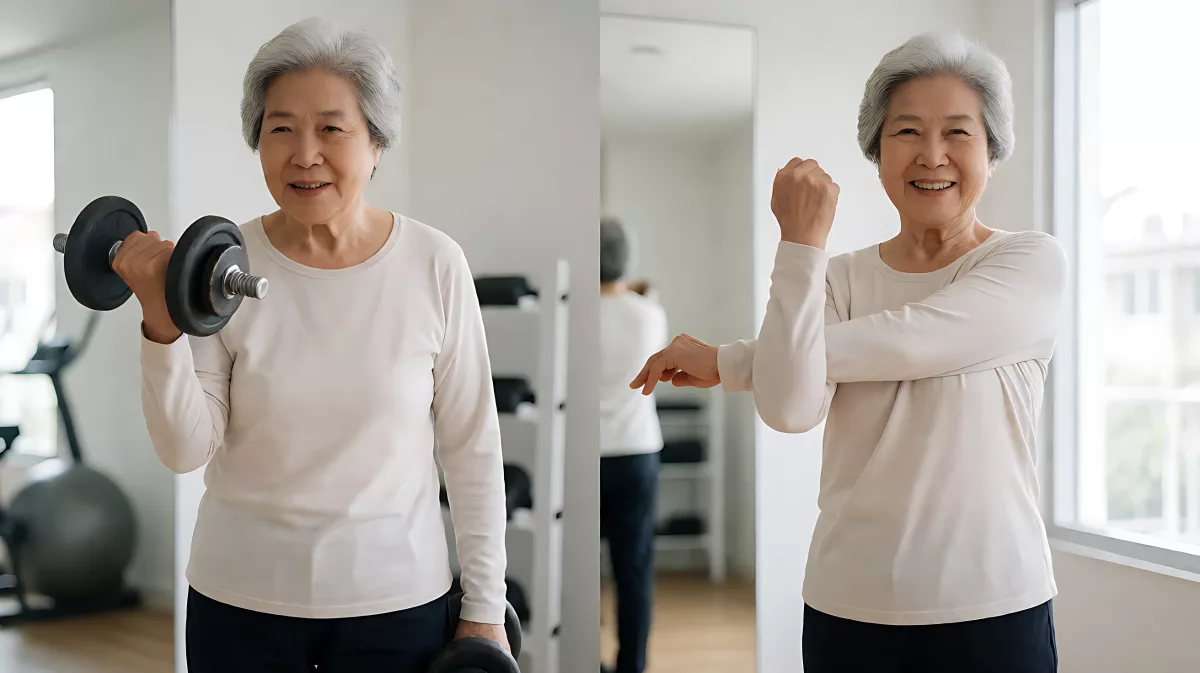
Many common workout moves can strain the cardiovascular system in adults over 60. This guide identifies five high-risk activities and offers safer, evidence-based alternatives to support heart health and longevity.
For adults over 60, exercise should protect your heart, not jeopardize it. Five common movements, including high-intensity sprints, heavy weightlifting, and rapid directional changes, can strain the cardiovascular system and increase injury risk. Replacing these with low-impact, controlled activities like brisk walking or resistance band training supports longevity without the hidden dangers of overexertion.
Why Does Intensity Matter More for Older Hearts?
As we age, the heart's ability to adapt to sudden spikes in demand declines. The American Heart Association notes that older adults have a reduced heart rate reserve, meaning their hearts take longer to recover from intense bursts of activity. When you push into anaerobic territory, the risk of arrhythmia and chest pain increases significantly. For seniors, the goal is not maximal performance but sustainable cardiovascular health. High-stress workouts can trigger excessive blood pressure spikes that your arteries, which may already be stiffened by age, cannot handle safely.
Which Five Exercises Should You Reconsider?
Is High-Intensity Interval Training (HIIT) Dangerous?
Traditional HIIT involves short, all-out efforts that drive heart rates above 90 percent of your maximum. While effective for younger athletes, this protocol often exceeds the safe threshold for older adults. Studies suggest that for seniors, moderate-intensity steady-state cardio is safer and equally beneficial for reducing mortality risk. Consider swapping sprint intervals for a steady-state brisk walk or cycling session where you can still hold a conversation.
Are Heavy Lifting and Core Crunches Risky?
Lifting heavy weights while holding your breath, known as the Valsalva maneuver, can cause dangerous spikes in blood pressure. Deep crunches place significant strain on the intervertebral discs, which lose cushioning with age. Instead of loading a barbell for squats, use resistance bands or bodyweight movements that keep your joints stable. Avoid crunches that cause sharp pain or require excessive strain on the lower back.
Do Extreme Temperatures Affect Exercise Safety?
Exercising in intense heat or cold forces the cardiovascular system to work harder to regulate body temperature. In hot conditions, your blood vessels dilate, lowering blood pressure and increasing the risk of dizziness and dehydration. In cold conditions, blood vessels constrict, raising blood pressure and straining the heart. The safest approach is to exercise in moderate, controlled environments. If you must exercise outdoors, check the weather and hydrate aggressively before, during, and after your session.
Are Jumping and Rapid Direction Changes Dangerous?
Impact exercises like jump rope or plyometrics place high stress on the knees, hips, and ankles. Tendons and ligaments lose elasticity with age, making them less able to absorb the shock of sudden movements. This increases the risk of stress fractures and joint instability. Replace jumping jacks with step-outs or stationary lunges. Focus on smooth, controlled transitions rather than explosive speed. Slow down to allow your joints to move through their full range of motion without impact.
Does Evening Exercise Disrupt Recovery?
Exercising too late in the day can interfere with sleep quality, which is critical for cardiovascular repair. Poor sleep elevates cortisol levels and reduces insulin sensitivity. Aim to finish vigorous activity at least two to three hours before bedtime. If you prefer evening activity, stick to gentle yoga or stretching to help your body wind down rather than rev up.
What Are Safer, Heart-Healthy Alternatives?
You do not need to stop moving to protect your heart. You need to adjust how you move. The National Institutes of Health recommends 150 minutes of moderate aerobic activity per week for adults, a target that is easily achieved without high-risk intensity. Focus on consistency rather than intensity. A daily 30-minute walk provides substantial benefits for blood pressure and cholesterol without the stress of extreme exertion. Strength training is vital too, but prioritize lighter weights with higher repetitions. This builds muscle and bone density while keeping joint stress low.
How Can You Monitor Your Heart Rate Safely?
Understanding your target heart rate zone prevents accidental overexertion. A simple formula, such as subtracting your age from 220 and taking 50 to 70 percent of that number, gives you a safe training range. Wear a smartwatch or heart rate monitor to track your effort in real time. If your heart rate spikes outside this zone, slow down immediately. Listening to your body is more important than following a rigid app-based plan. Stop if you feel chest tightness, unusual shortness of breath, or lightheadedness.
When Should You Consult a Doctor?
If you have a history of heart disease, uncontrolled high blood pressure, or joint problems, get a clearance from your primary care physician before starting a new routine. A cardiac rehabilitation program can provide supervised, safe exercise guidance tailored to your specific condition. Never ignore pain. Distinguishing between normal muscle soreness and cardiac distress is crucial. If pain radiates to the jaw, arm, or back, seek emergency care immediately.
Frequently Asked Questions
Can I still lift weights if I am over 70?
Yes, but focus on functional strength rather than heavy loads. Use resistance bands or light dumbbells to perform slow, controlled movements. The goal is to maintain muscle mass for mobility and balance, not to set personal records. Always warm up thoroughly to prepare your tendons for movement.
How much water do I need during exercise?
Hydration needs increase with age due to reduced thirst perception. Aim to drink water before you feel thirsty. A general guideline is to have a glass of water before, during, and after a 30-minute session. Monitor urine color; pale yellow indicates proper hydration, while dark yellow suggests you need to drink more.
Is walking alone enough to protect my heart?
Walking is one of the safest and most effective exercises for seniors. Regular brisk walking improves circulation, lowers blood pressure, and manages weight. While it may not build muscle as quickly as resistance training, it provides a strong foundation for cardiovascular health. Combine walking with gentle strength exercises for a complete routine.
What if I feel dizzy after exercising?
Dizziness can signal a drop in blood pressure, a common occurrence when stopping intense activity abruptly. Cool down gradually with five to ten minutes of slow walking before stopping. Stay seated or lying down until the dizziness passes. If dizziness is frequent, consult your doctor to rule out heart rhythm issues or medication side effects.
Does exercise type matter more than duration?
Both matter. A low-intensity workout done for too long can be as stressful as a high-intensity short session if it prevents recovery. Balance is key. Alternate days of moderate aerobic activity with days of light movement or rest. This allows your body to repair tissues and reduce inflammation, which is essential for long-term health.