Foot Care for Seniors: Neuropathy, Nails & Shoes
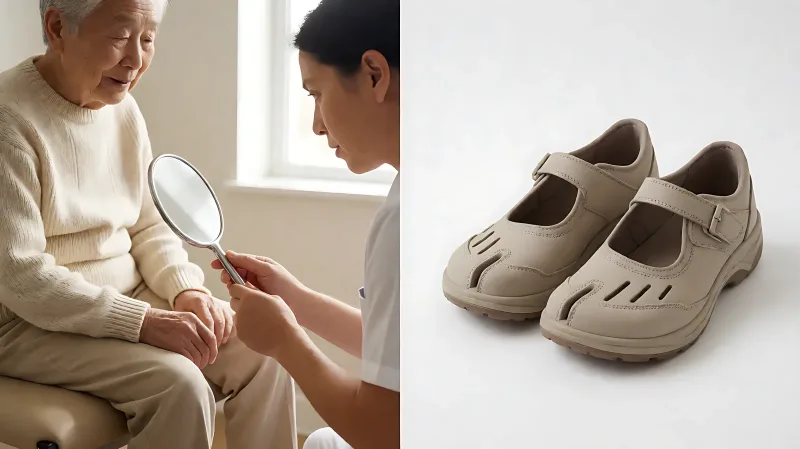
Aging feet face unique challenges from reduced circulation and nerve damage. This guide outlines practical daily habits, inspection techniques, and footwear choices to keep senior feet healthy and mobile.
Older adults face increased foot health risks due to reduced sensation, poor circulation, and physical changes like stiffening joints. Proactive daily care, including thorough inspections, proper nail trimming, and wearing supportive footwear, prevents serious complications like ulcers and falls.
For more information, see NIA healthy aging resources from the National Institute on Aging.
Why Foot Care Is Critical for Aging Adults
Your feet are vital indicators of overall health. As you age, the risk of developing peripheral neuropathy, a condition where you lose feeling in your extremities, increases. This is particularly common among individuals with type 2 diabetes. According to the Centers for Disease Control and Prevention, nearly half of people with diabetes will develop some form of foot disease, such as neuropathy, in their lifetime. When sensation fades, small injuries like a blister from ill-fitting shoes or a crack in the skin can go unnoticed until they become infected. Early detection is key to preventing amputations, which remain a serious risk for unmanaged diabetic foot ulcers.
How Do You Inspect Your Feet Safely?
Reaching your feet becomes difficult with age, but visual checks are non-negotiable. If you cannot bend down, use a long-handled foot mirror or even your smartphone camera to capture images of your soles and between your toes. Look for redness, swelling, sores, or skin changes. The American Diabetes Association recommends checking your feet every day. If you have reduced mobility, ask a family member or caregiver to assist with these inspections. Catching a potential wound early allows for simple treatment rather than complex medical intervention later.
What Footwear Protects Older Feet Best?
Shoes are the first line of defense against injury. Avoid open-backed sandals, flip-flops, or high heels, which offer no stability and increase the risk of drops or twisted ankles. Instead, opt for shoes with a secure closure system, such as laces or straps, that keep your foot firmly in place. Ensure the shoe has a wide toe box to prevent crowding, which can lead to bunions and hammertoes. The Consumer Product Safety Commission warns that improper footwear is a leading cause of fall-related injuries in seniors. Consider wearing supportive indoor slippers with heels rather than going barefoot on hard surfaces to reduce impact on joints.
How Should You Manage Toenail Health?
Toenails often become thicker and more brittle with age. Trimming them straight across helps prevent ingrown nails, which can become painful and infected, especially in those with neuropathy. Use a nail file to smooth edges rather than clipping them too short or round. If you have diabetes or poor circulation, avoid DIY pedicures or aggressive filing, as you may not feel if you are cutting into the flesh. Seek professional podiatry care for thickened or discolored nails, as these changes can signal fungal infections or other underlying conditions that require specific medical treatment.
What Daily Hygiene Habits Prevent Infection?
Good hygiene prevents the buildup of bacteria and fungi. Wash your feet daily with mild soap and lukewarm water, never hot, as you may not sense temperature changes. Dry thoroughly, especially between the toes, where moisture can encourage fungal growth. Apply moisturizer to the tops and bottoms of your feet to prevent cracking, but avoid putting lotion between the toes. Change your socks daily to cotton or moisture-wicking synthetic materials. Wool can sometimes cause irritation, so choose soft, seam-free fabrics. If your feet sweat excessively, use an antiperspirant spray to keep them dry.
When Should You See a Doctor?
Do not assume pain or numbness is just a normal part of aging. Schedule a podiatry checkup at least once a year, or more frequently if you have diabetes. See a provider immediately if you notice persistent pain, unexplained swelling, skin color changes, or any wound that does not heal within two weeks. The National Institute of Health emphasizes that timely treatment of foot ulcers is critical to preserving limb function. Never ignore a broken toe or persistent soreness, as these issues can indicate deeper structural problems or circulation issues that need professional assessment.
FAQ
How often should I check my feet?
You should perform a visual inspection of your feet every single day. Pay close attention to the soles, between the toes, and under any calluses. If you have neuropathy, you rely on sight, not touch, so use a mirror or have a caregiver help.
Can I walk barefoot at home?
It is generally safer to wear supportive slippers or shoes indoors. Barefoot walking increases the risk of dropping objects on your toes and reduces support for your arches, which can be problematic if you have arthritis or flat feet.
What shoes are best for neuropathy?
Look for shoes with a wide toe box, soft insoles, and secure straps or laces. Avoid seams that can rub against the skin. Some specialized footwear is designed specifically for diabetic patients to minimize pressure points.
Does trimming toenails straight across prevent infection?
Trimming nails straight across and filing edges smooth helps prevent ingrown nails, which are a common source of infection in older adults. However, if you have poor circulation or diabetes, it is safer to leave trimming to a licensed podiatrist.