Cold Sores vs. Shingles in Older Adults: Key Differences
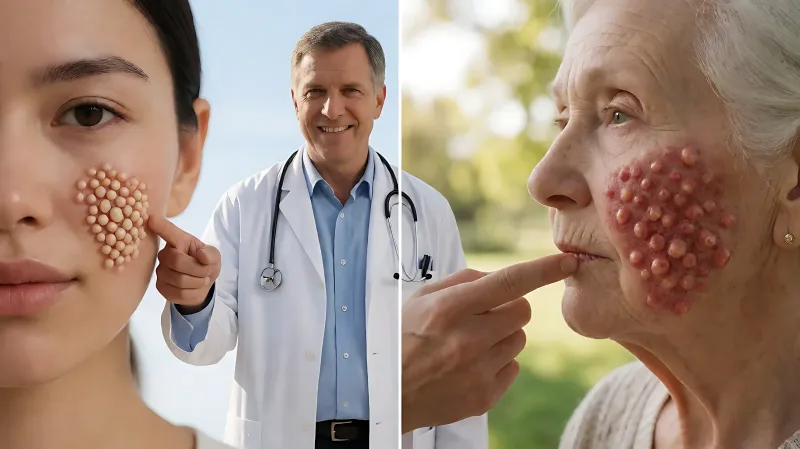
Discover the key differences between cold sores, shingles, and mouth sores in older adults. Learn about specific treatments, prevention vaccines, and critical symptoms to watch for.
Older adults often face distinct challenges when dealing with mouth sores, cold sores, and shingles, as the symptoms can overlap but the underlying viruses and treatments differ significantly. Cold sores are caused by the herpes simplex virus, while shingles result from the reactivation of the varicella-zoster virus. For seniors, prompt treatment with antiviral medications like valacyclovir for shingles or acyclovir for cold sores is crucial to prevent long-term nerve pain and other complications.
For more information, see NIA health information for older adults from the National Institute on Aging.
What are the key differences between cold sores and shingles?
Although both conditions involve blisters and are caused by viruses in the herpes family, they originate from different pathogens and present distinct symptoms. Cold sores, medically known as herpes labialis, are primarily caused by the herpes simplex virus type 1 (HSV-1). These blisters typically appear on or around the lips, nose, and chin. In contrast, shingles, or herpes zoster, is caused by the varicella-zoster virus (VZV), the same virus that causes chickenpox. Shingles usually presents as a painful, one-sided band of blisters on the torso, face, or other parts of the body, following the path of a single nerve.
How do the symptoms compare in older adults?
For a cold sore outbreak, the progression often starts with a tingling or itching sensation one or two days before blisters appear. The blisters then form, burst, and crust over, typically resolving within seven to ten days. Older adults may experience more severe discomfort, but the condition is usually localized.
Shingles symptoms are generally more intense. A tingling or burning sensation often precedes the rash by several days. Once the rash appears, it consists of fluid-filled blisters that eventually scab over. The pain associated with shingles can be severe and is not always confined to the visible rash area. According to the Centers for Disease Control and Prevention (CDC), about 10 to 18 percent of people who develop shingles suffer from post-herpetic neuralgia, a chronic nerve pain that can last for months or even years after the blisters have healed.
Are mouth sores the same as cold sores or shingles?
Mouth sores is a broad term that can include several conditions, but it is important to distinguish between them. An oral herpes outbreak can cause sores inside the mouth, but this is less common than cold sores on the lip. Shingles can also affect the mouth, particularly if the infection is on the side of the face or jaw, causing painful sores inside the cheek or on the gums. Additionally, many mouth sores are unrelated to viral infections and are instead caused by mouth ulcers, canker sores, or trauma.
In older adults, distinguishing these is vital. If the sores are localized to the lips and recur in the same spot, it is likely HSV-1. If the rash is unilateral (one-sided), involves the trunk, or follows a dermatomal pattern, it is likely shingles. A healthcare provider can often diagnose the condition by visual inspection, but a swab test or blood test may be required for confirmation if symptoms are ambiguous.
What are the best treatment options for seniors?
Time is a critical factor in treating both cold sores and shingles, especially in older adults with potentially weaker immune systems. For cold sores, antiviral creams or oral medications can shorten the duration of the outbreak and reduce viral shedding. For shingles, the goal is to reduce the severity of the rash and prevent post-herpetic neuralgia.
Which antiviral medications are most effective for shingles?
Three main oral antiviral medications are approved for treating shingles: acyclovir, valacyclovir, and famciclovir. Research suggests that treatment is most effective when started within 72 hours of the rash appearing. Valacyclovir is often preferred for older adults because it requires only three doses per day, whereas acyclovir may require five doses, which can be difficult to manage. The FDA has approved these medications for use in adults, and they work by inhibiting the replication of the virus.
Pain management is also a cornerstone of treatment. While over-the-counter options like acetaminophen or ibuprofen can help with mild pain, older adults may require prescription-strength medications, including anticonvulsants like gabapentin or pregabalin, to manage the nerve pain associated with shingles. However, these medications can cause dizziness, so doctors must monitor dosages carefully to prevent falls.
How should cold sores be treated in older adults?
Most cold sores resolve on their own, but treatment is recommended if the outbreak is widespread, painful, or affects immunocompromised individuals. Topical antiviral creams such as docosanol or penciclovir can be applied at the first sign of tingling. Oral antivirals like valacyclovir are sometimes prescribed for frequent recurrences. It is essential to keep the area clean and dry to prevent secondary bacterial infection, which can further complicate healing.
How can older adults prevent outbreaks of shingles and cold sores?
Vaccination is the most effective way to prevent shingles. The shingles vaccine, Shingrix, is recommended by the Advisory Committee on Immunization Practices for all adults aged 50 and older. It is administered in two doses and has been shown to be over 90 percent effective in preventing shingles and post-herpetic neuralgia in this age group.
Preventing cold sore outbreaks is more about managing triggers than vaccination, as there is currently no vaccine for HSV-1. Common triggers include stress, sun exposure, fever, and hormonal changes. Seniors can reduce the frequency of outbreaks by maintaining a balanced diet, getting adequate sleep, using sun protection on the lips, and managing stress levels. Avoiding sharing personal items like towels or lip balm also helps prevent spreading the virus to others.
When should an older adult seek immediate medical attention?
Medical attention is required if shingles appears near the eye or ear, as these locations can cause permanent vision or hearing loss. The CDC notes that ophthalmic herpes zoster, or shingles in the eye, occurs in up to 20 percent of shingles cases and can lead to scarring and vision impairment if not treated quickly. Additionally, anyone with a weakened immune system, such as those undergoing chemotherapy or living with HIV, should seek care immediately for any herpes outbreak, as it can spread systemically and become life-threatening.
What are the risks of ignoring shingles in seniors?
Ignoring shingles can lead to serious long-term complications. Beyond post-herpetic neuralgia, studies have linked shingles in older adults to an increased risk of stroke and heart disease. Research indicates that the odds of stroke are significantly higher in the year following a shingles outbreak compared to individuals who have not had the condition. Therefore, early intervention is not just about comfort but also about long-term cardiovascular and neurological health.
Can shingles and cold sores be transmitted to others?
Yes. Cold sores are highly contagious and can spread through direct contact with the blister or saliva. Shingles is also contagious to people who have never had chickenpox; they may develop chickenpox, not shingles, if exposed to the fluid from the blisters. However, individuals who have already had chickenpox or the chickenpox vaccine cannot contract shingles from an older adult with shingles. Covering the rash until it crusts over and avoiding contact with pregnant women or newborns are key prevention steps.
Frequently Asked Questions
How long does a shingles outbreak last in older adults?
A typical shingles outbreak lasts three to five weeks. The blisters usually crust over within a week, but the pain and itching can persist for several more weeks. If post-herpetic neuralgia develops, the pain may last for months or even years.
Is the shingles vaccine safe for adults over 85?
Yes. The CDC and the FDA recommend the Shingrix vaccine for adults aged 50 and older, including those who are 85 and beyond. It is generally well-tolerated and significantly reduces the risk of severe shingles complications in this demographic.
Can cold sores be cured permanently?
No, cold sores cannot be cured because the herpes simplex virus remains dormant in the body's nerve cells for life. Treatment can only manage outbreaks and reduce their frequency and severity.
What is the difference between a mouth ulcer and a cold sore?
A mouth ulcer, or canker sore, is usually a round, white or yellow spot with a red border that appears inside the mouth. It is not contagious. A cold sore is a fluid-filled blister that appears on or around the lips, is caused by the herpes virus, and is contagious.