Chronic Illness & Home Energy Costs: Efficiency Guide
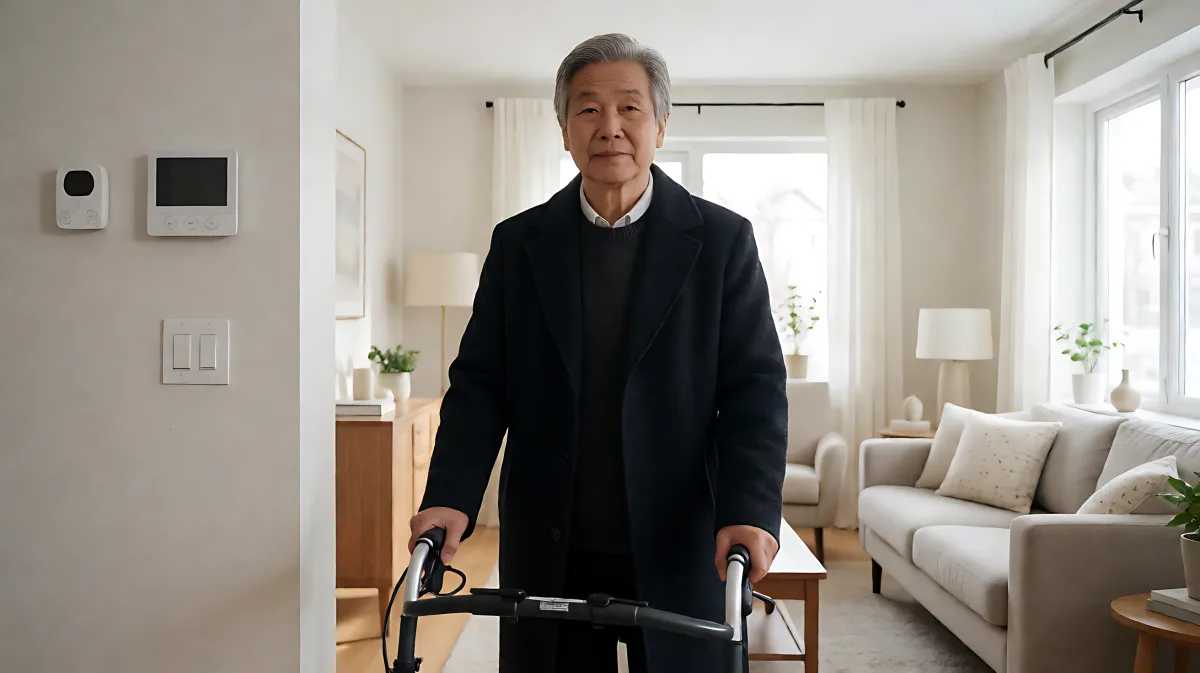
Chronic illnesses often require extreme indoor temperatures and power-hungry medical equipment, driving up household energy bills. This guide explains how to optimize your home through targeted efficiency audits and available support programs to reduce costs.
Chronic illness can significantly increase household energy bills by creating a need for extreme indoor temperatures and powering high-demand medical equipment. In 2026, the financial strain is compounded by rising utility rates across the US and UK. Implementing a targeted home efficiency audit helps households manage these costs while ensuring a safe, comfortable environment for managing health conditions.
Why Do Health Conditions Drive Up Utility Costs?
For many individuals managing long-term health issues, the home is more than just a residence; it is a care facility. Specific symptoms often dictate environmental needs that directly impact energy consumption. According to data reviewed by the American Diabetes Association, patients with cardiovascular or respiratory conditions often require homes to be maintained at specific thermal setpoints, such as 72°F (22°C), year-round to prevent flare-ups. This constant operation of heating and cooling systems places a heavy load on utility meters.
Beyond climate control, the proliferation of home medical technology in 2026 has added a new layer of demand. Devices like CPAP machines, oxygen concentrators, and electric medical lifts consume continuous power. A standard CPAP machine can draw roughly 100 to 200 watts of electricity. When run for eight hours a night, this adds up to significant kilowatt-hour usage over a year. For families in the UK, the cost of running these devices on higher-tier electricity rates can add hundreds of pounds to annual bills, according to recent reports from the CQC.
How Does Cold Sensitivity Affect Heating Costs?
Conditions such as rheumatoid arthritis and fibromyalgia are frequently associated with heightened sensitivity to cold. Patients often keep indoor temperatures higher than recommended for average comfort to manage pain and mobility. The NHS recommends a minimum of 18°C for general health, but many patients in the UK find they need to maintain 20°C or higher, which can increase gas or electric heating bills by up to 15 percent. In the US, the Department of Health and Human Services notes that extended heating seasons for vulnerable populations are a major driver of energy poverty among disabled households.
What Role Do Medications Play in Energy Usage?
It is not just the symptoms that affect the bill; the treatment often does too. Many chronic conditions require medications that affect metabolism or induce fatigue, leading to longer hours spent indoors. While this does not directly raise the kilowatt-hour count, it increases the baseline time the home's systems are active. Furthermore, certain side effects like dizziness or balance issues, as highlighted in fall risk studies from Royal Palm Protection, mean that homes must be kept at safe, stable temperatures to prevent hypothermia or heatstroke, limiting the ability to let rooms cool down or heat up naturally.
Are Smart Thermostats Helpful for Medical Routines?
Smart thermostats can be a double-edged sword. On one hand, they allow for precise scheduling, ensuring the home is at the required temperature before waking up. On the other hand, complex interfaces can be frustrating for users with cognitive decline or arthritis. In 2026, newer models feature voice-control and large-plate designs that are more accessible. The Energy Star program has certified over 1,500 smart devices that offer health-focused presets, allowing users to select "Arthritis Mode" or "Respiratory Mode," which optimize airflow and temperature with minimal energy waste.
How Can an Efficiency Audit Help Vulnerable Households?
A standard home energy audit is often too generic for households where a member has a chronic illness. A specialized audit looks at thermal comfort through the lens of health. It assesses whether drafts or poor insulation are forcing the heating system to overwork. For a patient with multiple sclerosis, a simple leak in the attic can mean the difference between a stable temperature and a dangerous spike in body heat, which worsens neurological symptoms.
In the US, the US Department of Energy offers resources for "health-conscious" retrofits. These include sealing air leaks around medical equipment zones and improving insulation in the main care room. In the UK, the Energy Savings Trust provides grants for vulnerable households to install high-efficiency boilers and double-glazed windows. As of 2026, these programs have expanded to include digital monitoring devices that alert caregivers if a room temperature drifts outside the safe zone, combining safety with efficiency.
What Specific Retrofits Are Cost-Effective?
Not all upgrades are necessary for every home. Based on average savings data from the EPA’s Energy Star program, the most impactful changes for medically sensitive households include:
- Smart Insulation: Adding reflective foil insulation in the attic can reduce cooling loads by up to 40 percent, which is critical for patients with autoimmune diseases who overheat easily.
- Draft-Proofing: Sealing doors and windows reduces the need to run the furnace, saving an average of 12 percent on heating bills.
- LED Lighting: Switching to LED bulbs reduces standby power consumption from lighting, freeing up budget for medical electricity costs.
What Support Programs Are Available in 2026?
Financial and technical support is more robust in 2026 than in previous years. In the US, the LIHEAP (Low Income Home Energy Assistance Program) has increased eligibility thresholds to include disability income. Additionally, the USDA’s Section 504 Housing Rehabilitation Loan provides up to $20,000 in funds specifically to remove barriers for people with disabilities, which can be used for energy-efficient modifications that improve accessibility and climate control.
In the UK, the Warm Home Discount scheme now covers a broader range of chronic illnesses. The Department for Work and Pensions has streamlined the application process, allowing many claimants to receive up to £500 directly from energy suppliers. Furthermore, local councils in England have introduced "health-linked" energy allowances, providing an extra £100 per year for households where a primary resident is registered blind or has a severe respiratory condition.
Do Insurance Companies Cover Energy Costs?
Generally, standard health insurance does not cover utility bills. However, in 2026, several private insurers in the US have begun offering "Home Health Optimization" riders. These policies can reimburse up to 15 percent of the cost for medical-grade home modifications, including high-efficiency HVAC systems that are necessary to manage specific chronic conditions. It is crucial to check with individual carriers, as these benefits are not universal.
Practical Steps to Lower Bills While Staying Safe
Managing energy use without compromising health requires a strategic approach. Start by conducting a simple thermal walk-through of the home. Use an infrared thermometer to identify cold spots on windows or walls. In the UK, a simple £15 kit can detect these leaks. In the US, the EPA offers a list of certified local auditors who specialize in accessibility and health needs.
Be mindful of "phantom loads." Medical devices, when not in use, still draw power. Use smart plugs to automatically shut down non-essential equipment overnight. For example, if a nebulizer is used only during the day, a smart plug can ensure it is completely off at night, saving 2 to 5 kWh per day. Over a year, this small change can save over $50 to $80 in the US or £30 to £50 in the UK.
How Can Families Prioritize Changes?
When budget is limited, prioritize changes that offer the highest health impact per dollar. Insulation and air sealing are typically the most cost-effective. They provide immediate comfort and reduce the strain on heating and cooling systems. Then, focus on lighting and standby power. These changes are low-cost and high-return. Finally, consider major system replacements, such as a heat pump, which is highly efficient but requires a larger upfront investment. In 2026, federal tax credits in the US cover 30 percent of the installation cost for eligible heat pumps, making them a viable option for many households.
Frequently Asked Questions
Do energy efficiency grants cover the cost of running medical devices?
Most grants and tax credits in 2026 cover the cost of installation and equipment, such as heaters or insulation, but they do not typically pay the ongoing utility bill for running medical devices. However, some regional LIHEAP programs in the US and Council allowances in the UK can provide direct credits that help offset the cost of running these devices.
Is it better to use a portable heater or central heating for a chronically ill person?
Central heating is generally safer and more energy-efficient for maintaining a consistent temperature across a home. Portable electric heaters can be cheaper to buy but expensive to run and pose a fire risk, which is a significant concern for mobility-impaired individuals. In the UK, using a high-efficiency gas boiler is usually the most cost-effective long-term solution.
How can I find an auditor who understands health-related needs?
In the US, search for auditors certified by the EPA’s Home Energy Auditor directory who list "accessibility" or "health" as specialties. In the UK, look for installers registered with the Energy Savings Trust or those who hold PAS 2035 qualifications, which focus on retrofitting for vulnerable occupants. These professionals are trained to assess the home through the lens of the resident’s specific health requirements.