Reduce Decision Fatigue: Simplify Your Grocery List
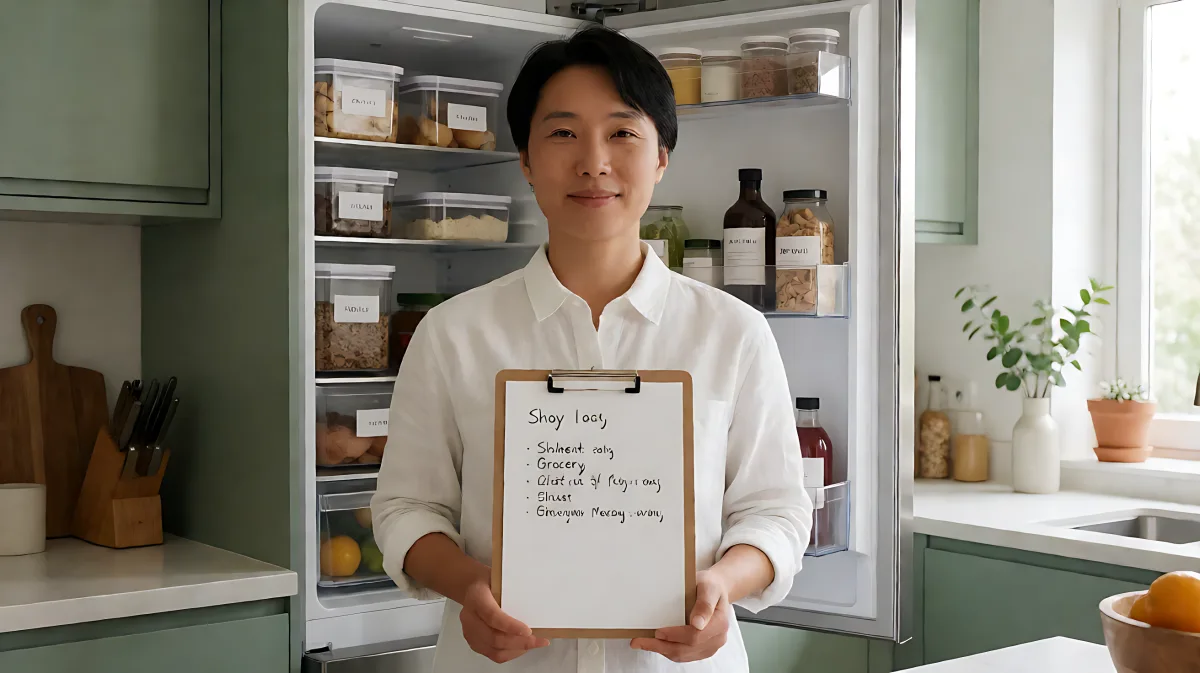
Most families waste money and energy on last-minute food choices. Discover a structured approach to lower cognitive load, save time, and eat better using targeted quantity limits.
Reducing decision fatigue in grocery shopping requires replacing open-ended choices with structured limits. The 5-4-3-2-1 framework, which caps specific food categories, lowers impulse buying and aligns with nutritional guidelines. By pre-selecting a small roster of meals and using thematic prompts, you can finalize your weekly list in under twenty minutes, eliminating the mental load of late-night dinnertime decisions.
Why does choosing what to eat feel so exhausting?
Decision fatigue occurs when repeated choices deplete your mental energy. A standard supermarket carries over 40,000 products, which overwhelms the brain's capacity for rational selection. Research indicates that when shoppers face more than seven to nine viable options in a single category, decision accuracy drops significantly. This cognitive overload often leads to impulse purchases and higher food waste. For many households, the average family of four spends roughly $1,500 a year on food that goes uneaten. This waste is a direct result of buying without a focused plan.
How can you limit options without restricting variety?
Many families assume that they need a massive recipe library to avoid eating boring food. In fact, a small, reliable roster of ten to fifteen meals is sufficient for most weeks. By narrowing the field to options that are already accepted by the household and require minimal prep, you reduce the cognitive load. Instead of searching for new inspiration every night, you rotate through known favorites. This approach preserves flexibility while preventing the paralysis that comes from an infinite number of choices.
What is the 5-4-3-2-1 grocery framework?
The 5-4-3-2-1 method assigns a specific quantity to five key food categories to structure your weekly shopping trip. This system acts as a mental anchor, ensuring balanced nutrition and portion control without the need for calorie counting. It simplifies the process by removing ambiguity about how much to buy.
- Five Vegetables: Choose a mix of starchy and non-starchy options, such as spinach, broccoli, sweet potatoes, carrots, and zucchini.
- Four Fruits: Select fresh, frozen, or canned (in water) items like bananas, apples, berries, and oranges.
- Three Proteins: Include at least one plant-based source, alongside animal proteins like chicken, eggs, or fish.
- Two Sauces or Spreads: Pick flavor enhancers like salsa, hummus, or pesto to minimize cooking time.
- One Treat: Allocate one slot for an indulgence to prevent feelings of deprivation.
This structure aligns with the USDA MyPlate model, which recommends filling half your plate with fruits and vegetables. By prioritizing these nine items, you naturally shift your diet toward nutrient-dense foods. For a household of four, this approach typically results in a weekly grocery bill between $150 and $200, providing a predictable budget structure.
How do you build a low-effort meal roster?
A meal roster is a short list of dinners that your household already accepts and can cook easily. Start by categorizing meals into three tiers of effort: very easy, moderate, and longer cooking. Very easy options include sandwiches, canned soup with sides, or freezer meals. Moderate efforts involve pasta, grain bowls, or stir-fries. Longer cooking is reserved for soups, curries, or casseroles that can be batch-cooked.
What are theme nights and how do they help?
Theme nights act as prompts rather than rigid rules. They narrow the decision without prescribing a single dish. For example, a bowl night might involve a grain, protein, and sauce, while a tray night focuses on sheet-pan combinations. Use-it-up nights are designated for safely stored leftovers or ingredients that need attention. This system reduces conflict over dinner and keeps the grocery list focused on components rather than complex recipes.
What is the step-by-step process for a simplified grocery list?
Creating a streamlined list takes only about eighteen minutes when you follow a specific protocol. This method ensures that you only buy what is necessary and reduces waste.
- Inventory Audit: Check your pantry, fridge, and freezer. Note what you already have, such as rice, olive oil, or canned goods. Do not count these toward your weekly limits.
- Calendar Check: Look at your schedule for the week. Mark nights that require easy dinners due to work or appointments. Plan more involved cooking only for evenings with more time.
- Select Meals: Choose three to five dinners from your roster. Designate one night for leftovers or a flexible pantry meal. Use the three-question filter: Do I have an ingredient that needs using? How much time do I have? Which roster meal fits?
- Apply the 5-4-3-2-1 Limits: Based on your chosen meals, determine the specific quantities of vegetables, fruits, proteins, sauces, and treats needed. Pre-select substitutes in advance to avoid aisle-browsing.
- Group by Section: Arrange the final list by store location, starting with produce. This creates a predictable path through the store and minimizes time spent wandering.
How can you manage decision fatigue when the plan feels too heavy?
When energy is low, reduce the scope. Plan only two dinners instead of seven, or rely on your preselected fallback meals. Fallback meals are simple options made from ingredients you always keep available, such as pasta with jarred sauce and frozen vegetables, or eggs with toast and fruit. These are part of the plan, not a failure of it. If difficulties with decisions are persistent and distressing, consider speaking with a healthcare professional, as meal-planning strategies are not a substitute for individualized care.
What is the 72-hour rule for perishables?
Items with high moisture content, such as milk, soft cheeses, and fresh herbs, require specific storage strategies. The 72-hour rule states that these items must be consumed, cooked into stable preparations, or frozen within three days of purchase. For example, store fresh herbs stem-down in water to extend freshness. Refrigerate nut butters after opening to prevent rancidity. Adhering to these timelines reduces food waste and ensures you only buy what you can realistically use.
Frequently Asked Questions
How many dinner choices should I keep for low-stress planning?
Keep a roster of ten to fifteen reliable meals. This number provides enough variety without creating a large search task. Choose a few each week and maintain a separate list for new recipes to try during less busy periods.
Does the 5-4-3-2-1 method work for families with picky eaters?
Yes. The method focuses on categories rather than specific recipes. Picky eaters can choose which protein or vegetable fits their preferences within the set limits. The one treat slot also helps manage resistance to new foods by providing a guaranteed favorite.
What should I cook when I have no energy to decide?
Use a preselected fallback meal that requires few steps. Examples include canned soup upgraded with frozen vegetables and bread, or a bean-and-cheese quesadilla with salsa. These options are reliable and can be assembled without active cooking decisions.
How does this method compare to strict meal planning apps?
Apps often require daily logging and tracking, which increases cognitive load. The 5-4-3-2-1 method is a one-time decision for the week. It relies on behavioral pre-commitment rather than continuous monitoring, making it more sustainable for long-term use.