5-Minute Kitchen Reset: Stop Weeknight Dinner Chaos
Discover how a simple five-minute habit clears your kitchen before dinner, reducing stress and making cooking feel easier. This routine focuses on clearing counters, tidying the sink, and resetting your space to boost your evening mood.
Most chaotic dinners start before you even pick up a utensil. The cluttered counter and full sink create mental friction that makes cooking feel like a burden. A five-minute kitchen reset eliminates this barrier by clearing your workspace and laying out essential tools before you begin. This quick routine reduces decision fatigue, lowers stress hormones, and makes starting dinner feel effortless rather than overwhelming.
Why Does a Messy Kitchen Stop You From Cooking?
Visual clutter in the kitchen is not just an aesthetic issue; it directly impacts your psychological state. Research indicates that people in cluttered environments experience higher levels of stress hormones simply by looking at the mess. This triggers a state of decision fatigue, where your brain struggles to process the visual noise before it even makes a meal choice. When you walk into a chaotic space, your brain associates cooking with stress and effort, often leading you to order takeout instead of making a healthy meal at home.
How Does a Reset Change Your Mental State?
When you clear the counter, you create what psychologists call a fresh start effect. The clean space signals to your brain that it is safe to begin. It shifts your mindset from feeling behind on tasks to feeling in control. By removing the visual obstacles, you lower the mental resistance at the hardest moment of the day, which is usually right after work when your energy is lowest. A prepared kitchen invites action, while a disorganized one invites avoidance.
What Are the Specific Steps for a Five-Minute Reset?
You do not need a deep clean or a perfect organization system. The goal is simply to make cooking possible. This routine takes about five minutes and involves three key actions. Time yourself to keep it efficient and prevent the reset from becoming another chore.
- Clear the Counter: Move everything that does not belong on the main cooking surface to a basket or the table. Wipe the surface quickly to remove crumbs and spills. You need one clear, dry space to work on.
- Tidy the Sink: Load the dishwasher with dirty dishes or wash the essential items you need for dinner. If the sink is full of mess, rinse it out quickly. Out of sight, out of mental load.
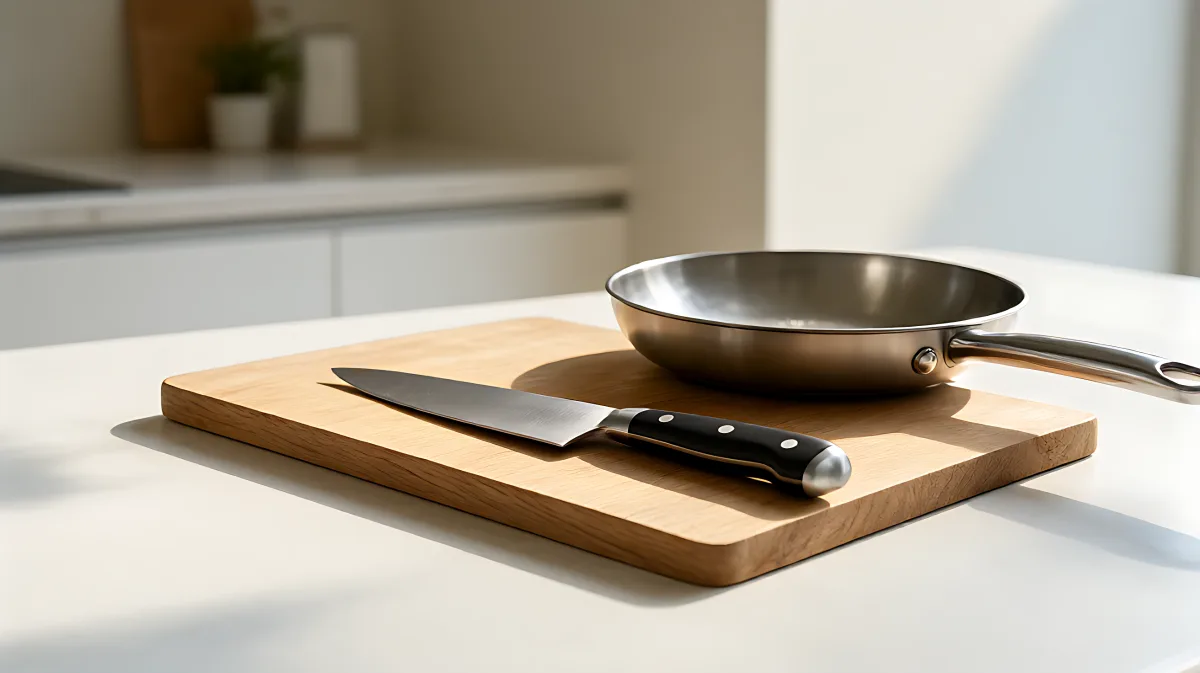
- Lay Out Tools: Set out one cutting board, one knife, and one pan. Add basic staples like oil and salt. This preparation removes the need to search for utensils while cooking.
How Do You Make This Habit Automatic?
The hardest part of any new routine is remembering to do it. To make this stick, attach the reset to an existing trigger. For example, do it immediately after unpacking groceries or right before you sit down to start cooking. Consistent triggers build automatic behavior. Once it becomes a habit, the reset stops feeling like extra work and starts feeling like the natural start of your cooking process.
Common Mistakes to Avoid in Kitchen Resets
Many families assume that a kitchen reset requires a spotless kitchen or deep scrubbing of all surfaces. In fact, the goal is a functional, clear space, not perfection. You do not need to organize every drawer or clean the backsplash. If you start deep cleaning, you will likely abandon the routine because it takes too long. Keep it simple: clear one surface, stack or load dishes, and set out your tools. A quick, imperfect reset is far better than a perfect, never-executed deep clean.
Does This Routine Work for Evening Cleanup Too?
Yes. The same principle applies after dinner. Set a five-minute timer after you finish eating. Put leftovers in containers, rinse and stack the dishes, wipe the counter, and put away your tools. This ensures you do not walk into a disaster zone the next morning. By controlling the cleanup immediately, you protect your morning routine and maintain a sustainable cycle of order.
Why Is the Five-Minute Time Limit Important?
Research on habit formation shows that small time commitments are more likely to be followed through. When you commit to just five minutes, your brain does not resist the effort. It feels manageable. If you commit to thirty minutes, you are more likely to find excuses to skip it. The five-minute boundary ensures you always start, and often, you will finish the task faster than you expect.
What Is the Best Time to Start the Kitchen Reset?
The ideal time is right before you begin meal preparation. This is when your brain is making the decision to cook. Doing the reset after cooking starts adds unnecessary steps to an already stressful process. Doing it during the evening cleanup is also effective for setting up the next day, but the primary benefit for reducing dinner chaos comes from the pre-cooking reset.
How Can I Adapt This for a Small Kitchen?
In smaller spaces, the reset is even more critical because there is less buffer for clutter. Focus on maximizing the one available counter surface. Use vertical storage or stackable baskets to hold items temporarily. If you lack a large counter, prioritize clearing the sink area and laying out tools on a side table or adjacent surface. The principle remains the same: create a clear zone for action.
Implementing this simple habit can transform your weeknight experiences. You are not just cleaning; you are designing an environment that supports your goals. With a few minutes of effort, you can replace dinner dread with calm and confidence. Try it tonight and see how quickly the mental weight of cooking lifts.