5 Lifestyle Changes from Blue Zones for Longer, Healthier Life
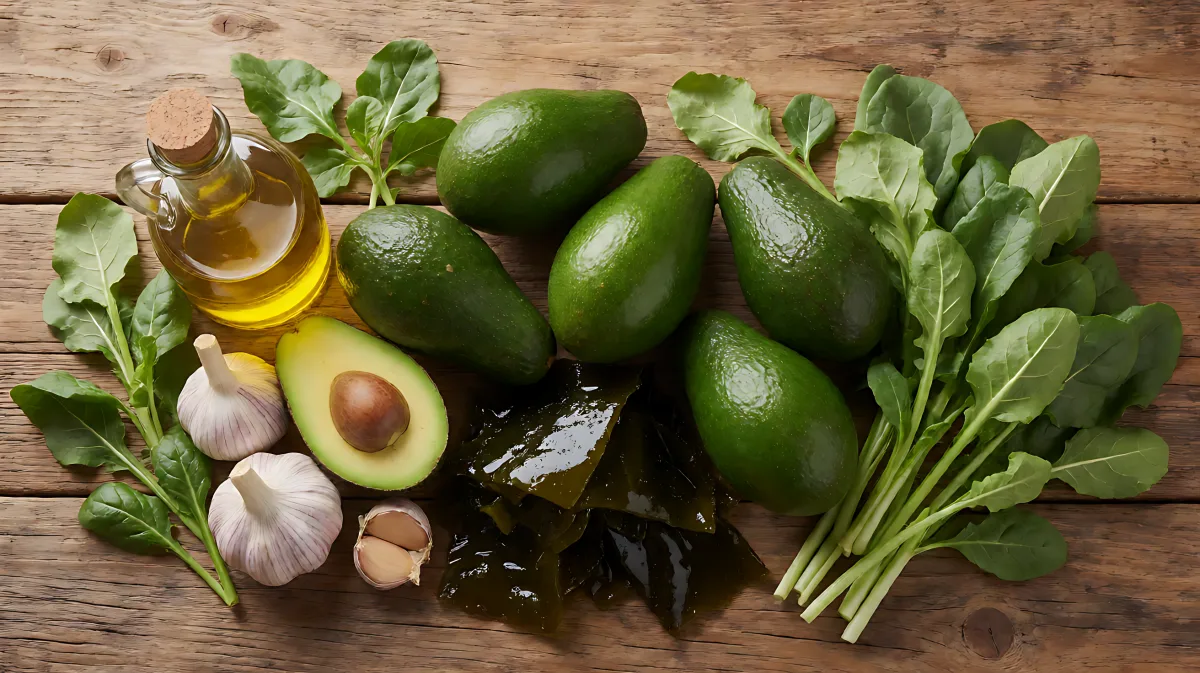
Want to live longer and healthier? Experts say lifestyle choices matter more than genetics. From Okinawan seaweed to Mediterranean olive oil, these specific habits are proven to extend your healthy years.
Living a long, healthy life is not just about genetics; it is fundamentally about daily habits. To maximize your longevity in 2026, adopt the "Blue Zone" lifestyle principles identified by National Geographic explorer Dan Buettner. This approach focuses on five key pillars: moving naturally, having a clear life purpose, eating anti-inflammatory foods, cultivating strong social connections, and reducing stress through adequate sleep. By integrating these specific behaviors into your routine, you can significantly lower your risk of chronic diseases while improving your overall quality of life.
Why Lifestyle Beats Genetics in Determining Longevity
For decades, scientists debated whether we are destined to have the lifespan of our parents. However, recent epidemiological studies confirm that lifestyle choices are the dominant factor in healthy aging. The concept of "supercentenarians," individuals who live past the age of 110, reveals a striking pattern: almost none of them suffer from major age-related ailments like dementia, type 2 diabetes, or severe cardiovascular disease. Instead of focusing on survival, these individuals prioritize "healthspan," which is the number of years one spends in good health and high activity levels.
In 2026, the World Health Organization continues to emphasize that chronic diseases, which account for the vast majority of deaths globally, are largely driven by modifiable risk factors. This includes poor diet, physical inactivity, and high stress levels. By shifting the focus from merely extending the number of years to enhancing the quality of those years, we can prevent the decline associated with aging.
What Are the Five Pillars of a Long-Lasting Life?
The Blue Zones framework, which highlights the five regions on Earth with the highest concentrations of centenarians, provides a practical roadmap. These regions include Ikaria in Greece, Okinawa in Japan, Sardinia in Italy, Loma Linda in California, and the Nicoya Peninsula in Costa Rica. Each location shares specific cultural and biological traits that contribute to their residents' longevity.
- Natural Movement: Unlike modern gym routines, Blue Zone residents engage in frequent, low-intensity physical activity. This includes gardening, walking dogs, or doing household chores that require physical effort.
- Purpose and Rituals: In Okinawa, this is called "ikigai" (reason for being). Many centenarians never retire but continue to engage in meaningful work or community roles.
- Social Connection: Strong social bonds act as a buffer against stress. Communities in these regions prioritize family and friends, which lowers cortisol levels and inflammation.
- Plant-Forward Diet: Most diets in these areas are 70-80% plant-based, with small portions of protein.
- Stress Management: Specific cultural rituals, such as naps in Sardinia or prayer in Loma Linda, allow for daily decompression.
What Specific Foods Drive Longevity in These Regions?
The nutritional profile of Blue Zone diets is rich in antioxidants and anti-inflammatory compounds. In Costa Rica, for instance, coconut and cacao are staples. Coconut oil provides medium-chain triglycerides that the body uses for energy, while cacao contains over 300 bioactive compounds that support heart health.
In Sardinia, dandelion greens and fennel are common. Dandelions are high in vitamin C and support liver detoxification. Fennel, a member of the parsley family, helps manage cholesterol levels and aids digestion. Small fish like sardines are also prevalent, providing essential omega-3 fatty acids that are critical for cognitive function and reducing cardiac risk.
Which Plant-Based Superfoods Should You Add to Your Plate?
Japan’s Okinawa region is famous for its consumption of seaweed and ginger. Seaweed contains unique polysaccharides that are linked to reduced cancer risk and improved heart health. Ginger, used extensively as a spice, has been shown to lower blood pressure and reduce inflammation. In Greece, garlic and olives are the cornerstones. Garlic contains allicin, a natural antibiotic that fights harmful bacteria, while olive oil provides squalene, which may protect cells from oxidative damage.
Residents of Loma Linda, California, rely on avocados and spirulina. Avocados are a source of healthy fats, potassium, and vitamins E and K, which are vital for maintaining cholesterol levels and protecting skin health. Spirulina, a type of blue-green algae, is high in chlorophyll and helps reduce oxidative stress. Incorporating these foods into a modern diet can mimic the protective effects observed in these long-lived populations.
How Can You Build a Sustainable Healthy Routine Today?
Adopting a Blue Zone lifestyle does not require moving to a remote island. It requires a shift in daily behavior. Start by replacing sedentary habits with active ones. Instead of using an elevator, take the stairs. Garden instead of buying produce from a supermarket. These small changes accumulate over years to prevent metabolic dysfunction.
Focus on social engagement. Loneliness is as damaging to health as smoking 15 cigarettes a day. Schedule regular meetups with friends or participate in community groups. For diet, aim to fill half your plate with vegetables and legumes. Use herbs like fennel and spices like ginger to flavor food rather than relying on salt or sugar. Finally, prioritize sleep. Research indicates that consistent, adequate sleep is the single most effective tool for repairing cellular damage and managing stress hormones.
| Blue Zone Region | Key Food | Primary Health Benefit |
|---|---|---|
| Costa Rica | Cacao | Improves blood pressure and cholesterol |
| Sardinia | Sardines | Provides Omega-3s for heart health |
| Japan | Seaweed | Contains cancer-fighting polysaccharides |
| Greece | Olive Oil | Reduces inflammation and oxidative stress |
| California | Avocado | Supports healthy weight and cholesterol |
Frequently Asked Questions
Do I need to live in a Blue Zone to get these benefits?
No. The benefits come from adopting the specific lifestyle behaviors identified in these regions. By replicating the dietary choices, social structures, and movement patterns, you can achieve similar health outcomes regardless of where you reside in the United States or the United Kingdom.
Is a strictly vegan diet necessary for longevity?
Not necessarily. While the diets in Ikaria and Okinawa are heavily plant-based, they are not strictly vegan. The key factor is the high volume of vegetables and the low volume of processed foods. Moderation in animal protein consumption, such as fish and eggs, is acceptable and common in these regions.
How much physical activity is required for optimal health?
Blue Zone residents do not typically follow intense workout regimes. Instead, they engage in frequent, low-intensity movement throughout the day. The goal is to keep the body active for a significant portion of waking hours, rather than concentrating all exercise into a single gym session per week.
What role does sleep play in the longevity equation?
Sleep is critical for cellular repair and hormonal balance. In Sardinia, a mid-afternoon nap is a cultural norm that helps reset the circadian rhythm and lower stress levels. Ensuring seven to nine hours of quality sleep nightly is one of the most impactful steps you can take to support long-term health.
Are supplements a good replacement for whole foods?
Experts recommend getting nutrients from whole foods like garlic, olives, and leafy greens rather than relying on supplements. Whole foods provide a matrix of nutrients, fiber, and antioxidants that work together, whereas isolated supplements often lack the same synergistic benefits for long-term disease prevention.