Automate Meal Prep for Chronic Disease Management
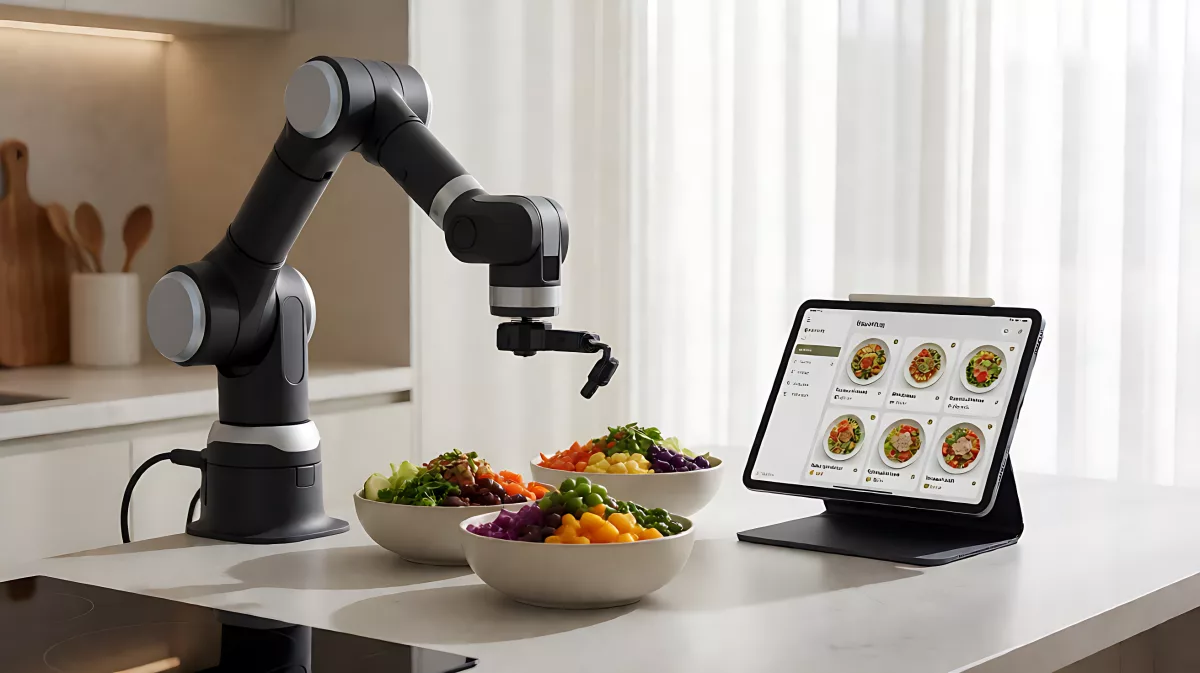
Managing chronic diseases often requires strict dietary control, which can be time-consuming. Explore how automation and strategic batch cooking transform meal preparation into an efficient, health-boosting routine.
Automating meal prep for chronic disease management combines robotic precision with strategic batch cooking to deliver consistent, nutrient-dense meals without the daily time burden. For individuals managing conditions like diabetes, celiac disease, or heart disease, the key is efficiency and repeatability.
Why Automation Matters for Health Management
Chronic diseases often require specific macronutrient balances, low-sodium protocols, or allergen-free ingredients. Manual cooking can lead to errors, waste, and fatigue. Automated systems reduce decision fatigue by following pre-set parameters, ensuring that every meal meets clinical guidelines. For instance, patients with hypertension benefit from consistently low-sodium cooking, which is difficult to maintain manually over weeks. Robotics allow for precise temperature control and ingredient measurement, supporting the stability required for long-term health improvements.
What Role Does Robotics Play in Precision Cooking?
Robot-assisted kitchens, such as those pioneered by MIT alumni in the Boston area, demonstrate that automation can produce fresh, high-quality food at scale. These systems use induction woks and robotic arms to mix and cook ingredients in under three minutes, ensuring consistent heat exposure and nutrient retention. By standardizing the cooking process, users can trust that their meals align with their dietary needs, whether that involves low-glycemic ingredients for diabetes or low-potassium options for renal disease. The technology shifts the focus from 'how to cook' to 'what to eat,' allowing better mental bandwidth for other aspects of health management.
Batch Cooking Strategies for Efficiency
While full robotics are not yet in every home, the principles of batch cooking offer significant efficiency gains. Instead of cooking meals daily, you prepare core components in a single session and assemble them later. This method, often called 'smart batching,' allows you to create diverse meals from the same base ingredients, reducing repetition and food waste.
How to Structure a Two-Hour Prep Session?
Effective batch cooking for chronic disease management relies on multi-tasking and timed workflows. A typical two-hour session involves:
- Preheat and Simmer: Start long-cooking items like grains or soups early.
- Roast Vegetables: Use oven space for low-sodium, antioxidant-rich vegetables.
- Protein Prep: Cook lean proteins or plant-based alternatives with minimal added fat.
- Assembly: Portion out 'foundations' into containers, adding cold garnishes only when serving to preserve texture and nutrients.
Apps designed for UK and US markets now automate this process, generating shopping lists based on household size and adjusting for specific dietary restrictions. These tools ensure that ingredients are accessible from standard supermarkets like Tesco, Sainsbury's, or local US grocers, removing the logistical hurdle of sourcing specialty items.
What Are the Benefits of 'Foundations' Meal Prep?
The 'Foundations' method involves cooking base sauces, roasted vegetables, and proteins separately. This prevents the monotony of eating the same dish all week. For example, a single roast chicken can be portioned for a main meal, blended into a creamy soup, or used in a salad. This variety is crucial for adherence to dietary plans, as it reduces 'meal fatigue.' It also allows for flexibility; if a patient needs a lighter meal on a particular day, they can simply omit the starch component from their prepped bases.
Dietary Customization for Specific Conditions
One-size-fits-all meal prep is not suitable for everyone. Health management plans now integrate individual biometric data to tailor recipes. For diabetes, the focus is on stable blood sugar levels through balanced carbohydrates and fiber. For heart disease, the priority is reducing sodium and saturated fats while increasing omega-3s. Automated systems and apps can filter recipes to exclude trigger ingredients automatically, reducing the risk of accidental exposure to allergens or high-sodium items.
How Do Smart Apps Enhance Personalized Prep?
Modern meal prep applications go beyond simple recipe lists. They include built-in timers that coordinate multiple cooking steps, ensuring optimal timing for each component. Some platforms offer gamified progress tracking, which helps maintain motivation for consistent healthy eating. By logging meals and monitoring biometric changes, users can see the direct impact of their dietary choices, reinforcing the habit loop. This data-driven approach ensures that the meal plan evolves with the patient's health status.
Practical Tips for Getting Started
If you are not ready for a robotic kitchen, you can still automate the planning and prep process. Start by identifying three to five core ingredients that are compatible with your condition. Use a digital timer and a structured checklist to manage your cooking sessions. Focus on ingredients that store well, such as nuts, seeds, and root vegetables, to extend the shelf life of your batch meals. Prioritize safety by labeling containers with dates and reheating instructions, ensuring that your efficient system does not compromise food safety standards.
Frequently Asked Questions
Is batch cooking suitable for diabetes management?
Yes, batch cooking is highly effective for diabetes management when portion control is strictly maintained. By preparing consistent portions of low-glycemic carbohydrates and high-fiber vegetables in advance, you reduce the temptation to overeat and help stabilize blood sugar levels throughout the week.
Do robotic kitchens really save time for busy families?
They do. Robot-assisted systems can produce fresh meals in under three minutes per bowl, eliminating the need for daily cooking from scratch. For families managing multiple chronic conditions, this speed ensures that healthy meals are always available without significant daily labor.
How can I avoid eating the same food every day with batch cooking?
Use the 'Foundations' method, where you prepare separate bases like sauces, proteins, and vegetables. Mix and match these components daily to create diverse meals. A single batch of cooked chicken, for example, can serve as a stir-fry, a salad topping, or a soup base, keeping your diet fresh and interesting.
Are there specific apps for UK and US dietary standards?
Yes, several apps now offer localized content. UK-focused tools use metric measurements and ingredient availability at stores like Tesco and Aldi, while US tools adapt to local grocery chains and measurement preferences, ensuring that your prep plans are realistic and accessible.
What is the safest way to store batch-cooked meals?
Store meals in airtight, BPA-free containers. Allow hot food to cool slightly before sealing to prevent condensation, which can promote bacterial growth. Reheat thoroughly until steaming hot, and do not reheat leftovers more than once. Label each container with the date to ensure you are consuming food within its safe shelf life.