Auditing Indoor Humidity for Arthritis Relief in Senior Living
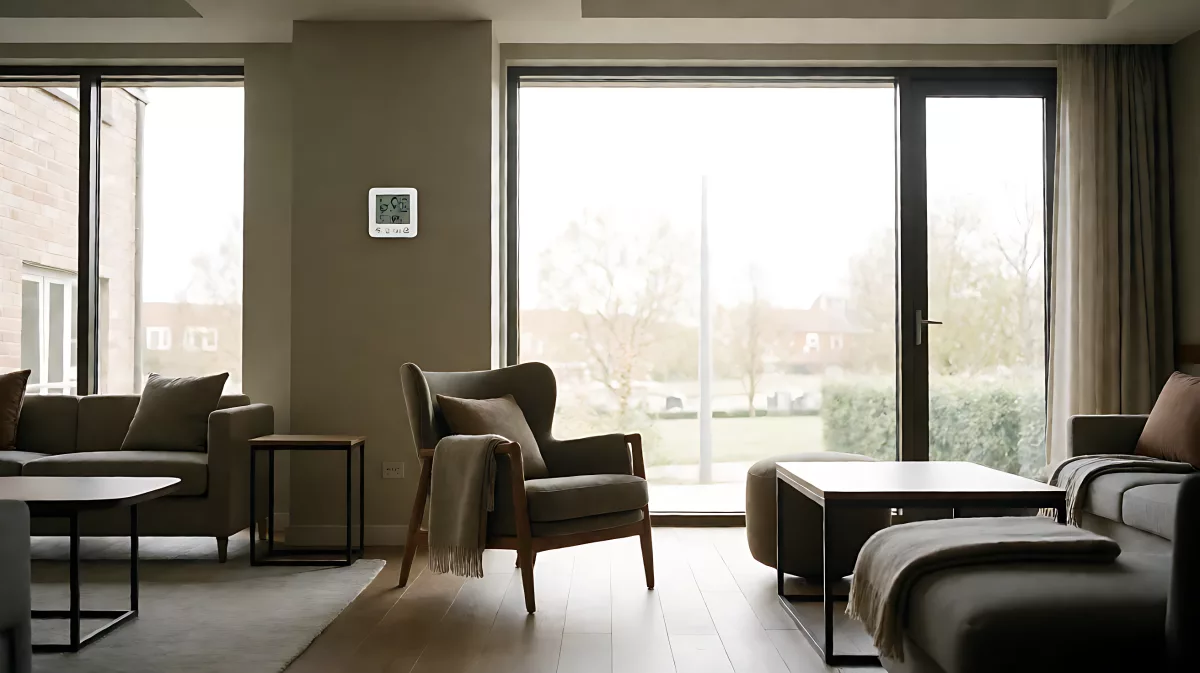
Discover how indoor humidity levels impact joint pain and arthritis flares. Learn simple auditing techniques to create a more comfortable living environment for seniors.
Indoor humidity levels significantly influence arthritis flare-ups in senior living environments. Studies indicate that fluctuations in relative humidity and barometric pressure correlate with increased joint pain and stiffness. Residents can mitigate these effects by auditing their living spaces to maintain stable, moderate humidity levels. This proactive approach helps reduce inflammation and improves daily comfort for those managing osteoarthritis or rheumatoid arthritis.
Why Does Indoor Humidity Affect Arthritis?
The connection between ambient moisture and joint health is complex but well-documented in rheumatology research. While cold weather often thickens synovial fluid, high humidity can trap heat and moisture against the body, exacerbating inflammation. For seniors in assisted living or independent housing, constant temperature swings inside rooms can mimic the outdoor stressors that trigger flares. The Arthritis Foundation notes that while the exact mechanism is still under study, many patients report worse symptoms during damp conditions. Maintaining a consistent indoor climate allows the body to regulate its inflammatory response more effectively, reducing the likelihood of sudden pain spikes.
What Humidity Range Is Ideal for Joint Comfort?
Most healthcare providers recommend keeping indoor relative humidity between 30 and 50 percent. Below 30 percent, air becomes too dry, potentially irritating mucous membranes and contributing to systemic dehydration that affects joint lubrication. Above 50 percent, excess moisture can promote mold growth and make the air feel heavy, which may worsen breathing and increase perceived joint stiffness. The American College of Rheumatology suggests that stable environments help prevent the stress responses that lead to cytokine release, a key driver of rheumatoid arthritis flares.
How Do You Audit Your Living Space?
An auditing process involves systematic monitoring of environmental factors that impact comfort. This is particularly important in senior living facilities where central heating and cooling systems may fluctuate. Residents or care staff should use calibrated digital hygrometers placed in key areas like the bedroom, living room, and kitchen. Record the humidity and temperature at three different times each day: morning, afternoon, and evening. This data helps identify patterns, such as high humidity accumulation during cooking or heating spikes during nighttime temperature drops.
- Bedroom: Monitor for night-time dryness if using air conditioning or heating systems. Dry air can disrupt sleep, which is critical for pain management.
- Living Area: Check for moisture buildup near windows where condensation often occurs. Damp surfaces can radiate cold, triggering stiffness in sensitive joints.
- Kitchen: Assess humidity spikes during cooking. Ventilation systems are essential to remove excess moisture quickly to prevent stagnant, damp air.
Keep a journal alongside the hygrometer readings. Note the time of any pain flare-ups and correlate them with the recorded environmental data. Over a two-week period, clear patterns will emerge, revealing specific conditions that trigger discomfort.
What Tools Are Needed for Accurate Monitoring?
A dedicated digital hygrometer with a temperature display is the primary tool. Ensure the device is calibrated to within 1 percent accuracy for reliable readings. Place the sensor away from direct heat sources or air conditioning vents to get a true reading of the room air. Additionally, a barometric pressure app on a smartphone can provide external weather data that can be compared against indoor stability. This dual approach helps distinguish whether a flare-up is caused by indoor environmental shifts or external weather changes.
How Can You Adjust Your Environment for Relief?
Once triggers are identified, environmental controls can be adjusted to maintain comfort. If humidity is consistently low, a humidifier can add moisture to the air. Conversely, if levels are too high, a dehumidifier or improved ventilation can remove excess water vapor. The Arthritis Foundation recommends layering clothing to allow for easy adjustment as indoor temperatures shift, rather than relying solely on central heating or cooling. This personal control helps prevent thermal shock to the joints.
What Role Does Dehydration Play in Flare-Ups?
Dehydration is a silent trigger that compounds the effects of poor humidity levels. When the air is dry, it is easy to forget to drink enough water, leading to thickened joint fluid and increased stiffness. Hydration keeps the synovial fluid in joints lubricated and supports the body's natural anti-inflammatory processes. Seniors should aim to drink water regularly throughout the day, even if they do not feel thirsty. Electrolyte balance is also vital, as fluctuations can mimic the symptoms of a rheumatoid arthritis flare.
Physical activity within the home should be paced to avoid overexertion, which is another common flare trigger. Gentle movements like stretching or chair-based exercises help maintain joint flexibility without the heat buildup that can worsen inflammation. Combining these physical strategies with environmental controls creates a comprehensive defense against flares.
When Should You Seek Professional Help?
Environmental adjustments are supportive measures, not replacements for medical treatment. If flares persist despite optimized humidity and temperature control, consult a rheumatologist or primary care provider. Clinicians at institutions like the Hospital for Special Surgery often evaluate flare triggers to adjust medication regimens. Persistent swelling, fever, or severe pain may indicate an active inflammatory episode requiring immediate medical intervention. Keeping detailed logs of environmental data and symptoms helps doctors make informed decisions about your care plan.
Frequently Asked Questions
Does high humidity always cause arthritis pain?
High humidity does not cause pain directly, but it can exacerbate existing inflammation and make joints feel heavier and stiffer. For some individuals with rheumatoid arthritis or gout, damp conditions correlate with increased symptom severity. Monitoring personal responses is key, as individual tolerance levels vary significantly.
How often should I check my indoor humidity levels?
For a comprehensive audit, check humidity levels three times a day for at least two weeks. Once stable patterns are established, checking once daily is usually sufficient to maintain optimal conditions. Adjusting monitoring frequency based on season changes is also recommended.
Can air conditioning prevent arthritis flares?
Air conditioning helps control temperature and humidity, which can reduce flare frequency by preventing heat and moisture buildup. However, it should not be set too low, as cold air can stiffen joints. A moderate setting that maintains comfortable, stable conditions is most effective for long-term symptom management.
What is the best way to store my medication to avoid humidity damage?
Store medications in a cool, dry place away from the bathroom or kitchen, which are high-humidity zones. Use airtight containers if humidity is a concern in your region. Damaged pills can lose potency, leading to ineffective flare management when it is needed most.