Anti-Inflammatory Diet for Seniors: 2026 Guide
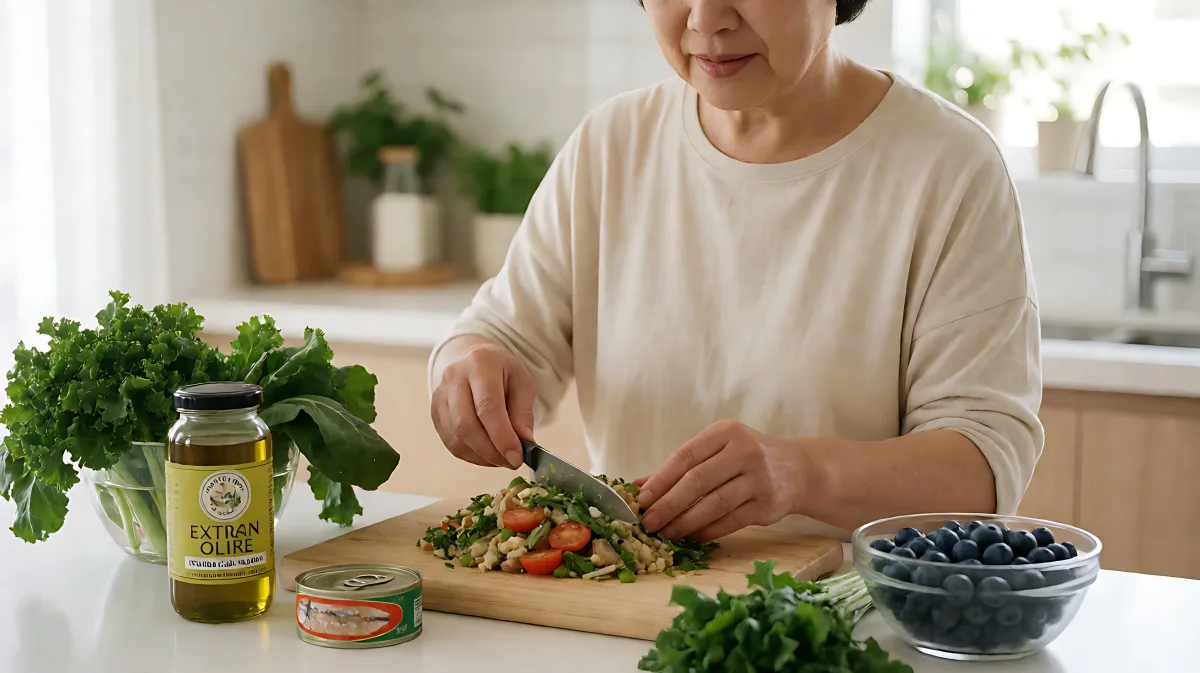
Chronic inflammation drives many age-related health issues. This guide breaks down the best anti-inflammatory foods for seniors, offering practical, budget-friendly meal strategies and safety checks for 2026.
Managing chronic inflammation in later life is about consistent dietary patterns rather than specific miracle cures. A Mediterranean-style approach, characterized by high intakes of vegetables, legumes, whole grains, and healthy fats, is the most supported framework for reducing inflammatory markers in adults over 60. Recent data indicates that adhering to this pattern can significantly lower the risk of major cardiovascular events while simultaneously easing joint discomfort associated with conditions like arthritis.
Why Does Inflammation Worsen as We Age?
The body’s immune system naturally enters a state of low-grade, chronic inflammation as it ages, a phenomenon often referred to as inflammaging. This persistent internal state contributes to the erosion of joint cartilage, increased stiffness, and higher rates of heart disease. Research published in Nature Medicine highlights that this sustained inflammatory state is linked to at least seven major age-related diseases, including type 2 diabetes and cardiovascular disease. In adults over 65, approximately one in three individuals show elevated levels of C-reactive protein, a primary blood marker for chronic inflammation, often without presenting obvious symptoms.
What Are the Most Effective Anti-Inflammatory Foods?
While no single food cures inflammation, prioritizing specific whole foods creates an environment where the body can better manage these processes. The strongest clinical evidence points to omega-3 fatty acids, polyphenols, and specific anti-inflammatory spices.
Fatty Fish and Omega-3s
Salmon, sardines, and mackerel are rich in EPA and DHA, which directly suppress inflammatory cytokines responsible for cartilage breakdown. A meta-analysis in Rheumatology International found that daily fish oil consumption reduced morning stiffness by an average of 26 minutes in rheumatoid arthritis patients. For a budget-friendly option, canned sardines in olive oil provide the same benefits at a fraction of the cost and are soft enough for those with chewing difficulties.
Extra Virgin Olive Oil
This staple of the Mediterranean diet contains oleocanthal, a compound that inhibits the same enzymes as ibuprofen but without gastrointestinal side effects. To preserve these active compounds, it is best to use extra virgin olive oil in cold applications, such as salad dressings, rather than heating it above 190°C.
Turmeric and Black Pepper
Curcumin, the active component in turmeric, blocks inflammatory gene expression. However, its bioavailability is low on its own. Pairing it with black pepper increases curcumin absorption by up to 2,000 percent. While culinary use is generally safe, high-dose supplements should be avoided without medical supervision, especially for those taking blood thinners.
Leafy Greens and Berries
Spinach, kale, and Swiss chard provide vitamin K, magnesium, and quercetin, which helps reduce joint inflammation. Berries, particularly tart cherries and blueberries, are rich in anthocyanins that lower inflammatory markers. A trial in Osteoarthritis & Cartilage showed that consuming tart cherry juice twice daily significantly reduced uric acid levels and C-reactive protein within six weeks.
How Can You Manage These Choices on a Fixed Income?
Anti-inflammatory eating does not require expensive organic produce or complex meal plans. Prioritizing shelf-stable and frozen options makes this diet accessible. Frozen berries retain up to 95 percent of their polyphenols and cost significantly less than their fresh counterparts. Dried lentils are among the cheapest sources of protein, costing roughly $0.15 per cooked serving, while canned fish provides a long-lasting pantry staple. Focus on building a shopping list around these affordable, nutrient-dense items to sustain the habit without financial strain.
What Medication Interactions Must Seniors Watch?
Food and drug interactions are a critical safety consideration for older adults. Many families assume that eliminating leafy greens is necessary when taking warfarin, but in fact, maintaining a consistent intake of vitamin K is vital to prevent dangerous swings in blood clotting efficiency. Do not cut out greens; instead, keep your daily portion steady and inform your anticoagulation clinic. Additionally, extra virgin olive oil can mildly potentiate blood-thinning effects, so consistency in consumption is key. High-dose turmeric supplements can also interact with diabetes medications and blood thinners, making a discussion with your pharmacist essential before starting any new regimen.
How Should You Structure a Daily Meal Plan?
Simplicity and repetition are the keys to adherence. Aim for a plate divided into thirds: one-third protein (fish, lentils, or poultry), one-third vegetables (leafy greens or cruciferous vegetables), and one-third whole grains. Start breakfast with oatmeal topped with frozen berries and walnuts. For lunch, consider a salad with canned sardines and chickpeas. Dinner can be a simple baked salmon or lentil soup paired with roasted vegetables in olive oil. This structure ensures you are hitting your nutritional targets for protein and fiber without the need for daily decision-making.
How Quickly Will You See Results?
While some individuals report improved energy and reduced joint pain within a few weeks, measurable changes in blood inflammatory markers typically take two to three months of consistent dietary change. This approach is a long-term strategy for cellular health rather than a quick fix. Patients at Advanced Health Center note that small, steady dietary changes often ease morning stiffness and support existing treatments, but consistency is the most important factor for lasting relief.
What is the best anti-inflammatory diet for seniors?
The Mediterranean-style diet is the most robustly supported pattern for older adults. It emphasizes vegetables, legumes, whole grains, nuts, and fatty fish while limiting processed meats and refined carbohydrates. This pattern aligns with the latest Dietary Guidelines for Americans, which recommend cooking with oils like olive oil and choosing fiber-rich whole grains.
Are anti-inflammatory supplements necessary for older adults?
Food should always be the first choice. The National Center for Complementary and Integrative Health states there is not enough evidence that turmeric or curcumin pills help most health problems, and some products have been linked to liver injury. Omega-3 supplements may be useful if you do not eat fatty fish twice a week, but they must be discussed with a doctor to avoid interactions with other medications.
What common mistakes should be avoided when changing the diet?
A major misconception is that drastic, all-at-once changes are effective. Sudden overhauls often lead to fatigue and quitting. Instead, swap one meal at a time, such as replacing a sugary drink with sparkling water or a fried side with roasted vegetables. Another common error is eating too little protein, which accelerates muscle loss in older adults; ensure steady portions of fish, eggs, or beans are included in every meal.
How can swallowing difficulties be managed?
Many anti-inflammatory foods are naturally soft or can be prepared to be easy to swallow. Canned fish is fork-tender, and red lentils dissolve into smooth soups. Steaming spinach reduces its volume by 80 percent, making it easier to consume in scrambled eggs or mashed potatoes. Ground flaxseed and walnut butter are excellent nutritional alternatives for those with chewing issues, providing omega-3s and lignans without the need for whole nuts.