Anti-Inflammatory Diet for Seniors: Best Foods for Joint Pain
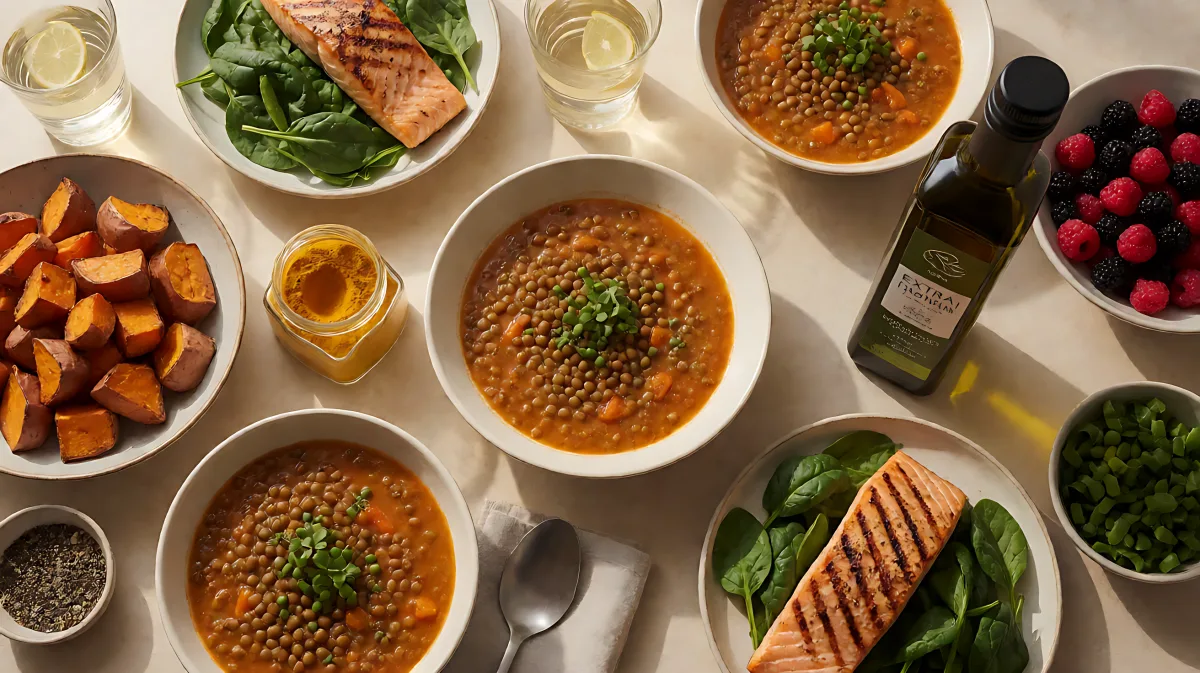
Chronic inflammation accelerates aging and joint damage. This guide details the most effective foods to lower inflammatory markers, offering a practical checklist for better health after 60.
Chronic low-grade inflammation, often called "inflammaging," contributes to joint pain, heart disease, and cognitive decline in adults over 60. By adopting a Mediterranean-style eating pattern rich in fatty fish, extra-virgin olive oil, berries, and leafy greens, you can significantly lower inflammatory markers. Recent data from the PREDIMED trial indicates that such diets reduce major heart events by up to 31%, offering a practical path to better health without strict elimination diets.
Why Does Inflammation Increase After Age 60?
Acute inflammation is a necessary immune response to injury or infection. However, as we age, the immune system can become stuck in a persistent "on" state. This chronic, low-grade inflammation quietly erodes cartilage, stiffens joints, and damages vascular tissue. The National Institutes of Health notes that this process is linked to nearly every major age-related disease, including type 2 diabetes and Alzheimer's.
The standard Western diet, characterized by high levels of refined sugars and omega-6 fatty acids, accelerates this process. The ratio of omega-6 to omega-3 fats in typical Western eating habits is approximately 20:1. To support joint health, experts recommend shifting this ratio closer to 4:1 by prioritizing anti-inflammatory foods.
What Are the Most Effective Anti-Inflammatory Foods?
Not all foods are created equal when it comes to fighting inflammation. The following items have the strongest clinical evidence for reducing joint-specific markers in older adults.
Which Fats Should I Prioritize?
- Extra Virgin Olive Oil: Contains oleocanthal, a compound that inhibits COX-1 and COX-2 enzymes similarly to ibuprofen. Use it cold, such as on salads or vegetables, to preserve its benefits. Avoid heating it above 190°C (375°F).
- Walnuts: The highest plant source of alpha-linolenic acid (ALA). A Harvard University study found that adults eating at least five walnuts per week had significantly lower C-reactive protein (CRP) levels.
Which Proteins and Vegetables Are Best?
- Fatty Fish: Salmon, sardines, and mackerel provide EPA and DHA, which suppress inflammatory cytokines. Canned sardines are a budget-friendly option that requires minimal preparation.
- Leafy Greens: Spinach and kale are rich in vitamin K and magnesium. For seniors with swallowing difficulties, steam them until wilted to reduce volume by 80%.
- Legumes: Lentils and chickpeas feed beneficial gut bacteria that produce short-chain fatty acids, which lower systemic inflammation. They are also among the most affordable protein sources available.
How Do I Fix Common Mistakes in an Anti-Inflammatory Diet?
Many families assume they must eliminate all leafy greens if they take warfarin, as vitamin K can affect blood thinners. In fact, the Arthritis Foundation and anticoagulation clinics advise maintaining a consistent intake of greens daily rather than cutting them out entirely. Fluctuating intake causes dangerous swings in INR levels.
Another common error is relying on high-dose turmeric supplements without medical oversight. While culinary turmeric is safe, the National Center for Complementary and Integrative Health warns that some high-absorption curcumin products have been linked to liver injury and can interact with blood thinners and diabetes medications. Always pair culinary turmeric with black pepper, as piperine increases curcumin absorption by up to 2,000%.
What Is a Practical Weekly Checklist for Seniors?
You do not need to overhaul your entire diet overnight. Consistency matters more than perfection. Use this checklist to guide your grocery shopping and meal planning:
- Meal 1: Oatmeal topped with frozen blueberries and a spoonful of ground flaxseed.
- Meal 2: Lentil soup with a side of whole-grain bread and a drizzle of extra virgin olive oil.
- Snack: A small handful of walnuts (about 30 grams) and plain yogurt.
- Meal 3: Baked sardines or salmon with roasted sweet potatoes and steamed broccoli.
- Daily Goal: Aim for at least two servings of fatty fish per week and one serving of leafy greens daily.
Which Foods Should I Limit to Reduce Inflammation?
Cutting back on the following items is as important as adding healthy ones:
| Food Category | Why It Is Inflammatory | Better Alternative |
|---|---|---|
| Refined Sugars | Spikes blood sugar, triggering inflammatory cascades | Whole berries or natural sweeteners |
| Processed Meats | Contain nitrates and advanced glycation end products | Fresh fish or poultry |
| Trans Fats | Found in packaged snacks; cause widespread cellular inflammation | Extra virgin olive oil or avocados |
Frequently Asked Questions
How long does it take to see results from an anti-inflammatory diet?
Most people report improved energy and reduced joint stiffness within two to four weeks. However, measurable changes in blood inflammatory markers like CRP typically take two to three months of consistent dietary habits. This is a long-term strategy, not a quick fix.
Can I still eat red meat if I have arthritis?
Yes, but treat it as an occasional food rather than a daily staple. Processed meats like bacon and hot dogs are particularly inflammatory and should be minimized. Lean cuts of beef or lamb can be included in moderation, balanced against higher intakes of fish and legumes.
What if I have trouble chewing or swallowing?
Many anti-inflammatory foods are naturally soft or can be prepared that way. Canned fish, pureed lentils, steamed leafy greens, and blended berry smoothies are excellent options. Red lentils, for example, dissolve completely when cooked, making them ideal for smooth soups without the need for chewing.
Is coffee inflammatory?
Coffee itself is not inflammatory and may possess anti-inflammatory properties. The issue usually arises with additions. If you add sugar or flavored creamers, you are consuming refined sugars and trans fats. Opting for black coffee or with a splash of milk is generally a healthier choice for heart health.
Do I need expensive supplements to benefit?
No. Whole foods contain hundreds of beneficial compounds that work synergistically. While omega-3 supplements can help if you do not eat fish, food sources are preferred. Frozen berries and canned sardines are cost-effective ways to obtain these nutrients without breaking the bank.