What is technology? Modern impact & 2026 trends
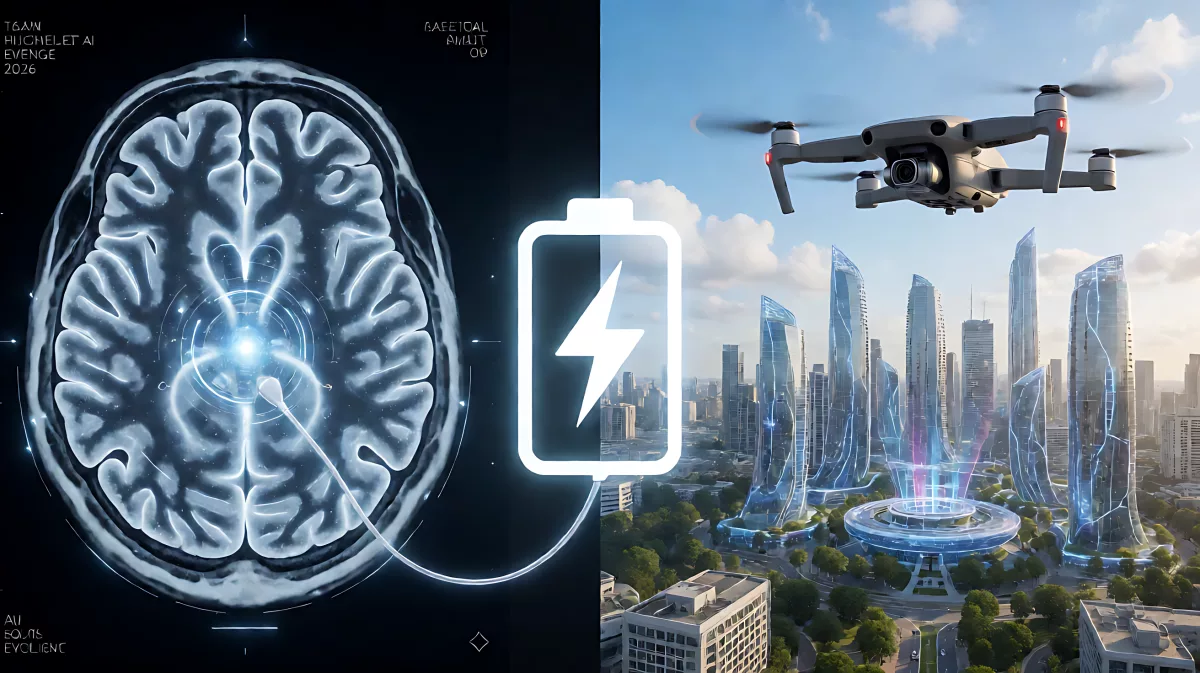
Technology in 2026 is defined by rapid AI advancements, biotech breakthroughs, and energy shifts. Here is what you need to know about the modern tech landscape.
Technology in 2026 is the applied science of using knowledge to achieve practical goals in a reliable manner. It is no longer just about hardware; it is the driving force behind artificial intelligence, biotech cures, and grid-scale energy storage. From regulating AI safety to developing drugs that reverse aging markers, the sector is moving faster than ever. This guide breaks down the key definitions, the current state of innovation, and the ethical questions dominating the conversation today.
What does the term "technology" actually mean?
At its core, technology is the application of conceptual knowledge to reach specific, practical goals. It includes both tangible tools, like the steam turbines powering industrial plants, and intangible systems like software and algorithms. While the term often brings to mind smartphones and computers, it covers a vast spectrum from prehistoric stone tools to the complex neural networks powering modern chatbots.
According to data from the Wikimedia Foundation, the collaborative understanding of these systems is a shared global effort. As of 2026, the boundary between "science" and "technology" is blurring. Science seeks to understand the natural world, while technology seeks to change it. This distinction is crucial for understanding why we are seeing such rapid shifts in how we live, work, and communicate.
Why is AI the central focus of 2026?
Artificial intelligence has moved from novelty to infrastructure. A major theme in 2026 is the tension between AI's capabilities and its safety. Major outlets like MIT Technology Review have highlighted that while large language models are engineered to refuse dangerous requests, this "refusal" is not foolproof. There is growing concern that these safeguards could be bypassed or exploited for repression, a point emphasized by public figures like Bill Gates who have warned that society has passed certain "danger thresholds" regarding AI policy.
Furthermore, the hype around General AI (AGI) is being scrutinized. Researchers are noting that while AI can perform impressive tasks, it does not truly "reason" in the human sense. This realization is calming some of the fears of an imminent robot takeover, but it also raises new questions about how we deploy these tools in creative and professional fields. For example, AI agents are now being tested in autonomous research, yet they often fail at open-ended, innovative problem-solving that requires genuine creativity.
How is biotechnology changing health care?
The intersection of AI and biology is producing some of the most fascinating breakthroughs of the decade. One area of intense focus is the reconstruction of sensory input. Researchers are using AI to "read" brain scans and reconstruct images of what a person is looking at, a development that could revolutionize communication for those with paralysis or speech impediments.
In pharmacology, GLP-1 drugs for weight loss and diabetes management are still being studied for their broader side effects, including impacts on hair, nails, and vision. Simultaneously, startups are claiming to have found drug combinations that can "make blood young," aiming to stop the spread of aging markers throughout the body. While these claims are bold and require rigorous peer review, they signal a shift in how we approach chronic disease and longevity.
What role does energy play in this tech boom?
Technology is hungry for power, and the 2026 energy landscape reflects this. The US has seen record growth in grid-scale battery storage, which is essential for stabilizing the electrical grid as it accommodates more renewable sources. However, residential battery adoption has lagged behind industrial use.
This energy demand is fueling a massive infrastructure boom. AI hyperscalers are expected to spend over $1 trillion on data centers in the coming year. This "trillion-dollar gamble" raises significant questions about economic sustainability. Can the revenue from AI services keep pace with the staggering costs of building and maintaining the physical infrastructure required to run them? This investment cycle is reminiscent of previous tech booms, but the scale of energy consumption is unprecedented.
How are social and environmental impacts evolving?
Technology continues to drive economic development, but it also creates new risks. A significant investigation by MIT Technology Review examined the use of AI in border surveillance. Despite billions of dollars spent on AI-powered towers, the system failed to prevent migrant deaths in sight of the cameras. This case study illustrates the gap between technological promise and human reality, showing that algorithms alone cannot solve complex humanitarian crises.
On the environmental front, the dual impact of tech is clear. While it enables cleaner energy solutions, the manufacturing of chips and the operation of data centers contribute to resource depletion and pollution. The debate over "techno-utopianism" is shifting toward a more pragmatic view: technology is a tool that amplifies human intent, for better or worse. As a result, governance and ethics are no longer just philosophical topics; they are critical operational components of modern tech companies.
What jobs does the future hold?
The workforce is adapting to a new reality. New roles are emerging that were unthinkable a decade ago. One example is the "delivery drone air traffic controller," a position dedicated to managing the airspace for autonomous commercial drones. This shift indicates that while automation may reduce demand for routine physical labor, it will increase the need for human oversight in complex, high-stakes autonomous systems.
Education is also evolving. Surveys of children and teens in 2026 show a mixed emotional landscape regarding AI. Many feel alienated by the technology, yet they are deeply integrated into its use. This generational disconnect is prompting schools and parents to rethink how digital literacy is taught, focusing not just on coding skills, but on critical evaluation of algorithmic outputs.
Is technology getting safer or more dangerous?
The consensus in 2026 is that it is becoming more complex, requiring new regulatory frameworks. While some risks, like AI reasoning errors, are being managed through engineering constraints, others, like the societal impact of surveillance, remain unresolved. Safety is not a fixed state but a continuous process of adaptation.
How much does it cost to power the tech boom?
The cost is immense, with projections of over $1 trillion in AI infrastructure spending. This puts significant pressure on energy providers and public finances. The return on investment is currently uncertain, leading to what some analysts call a potential "bubble risk" in the hardware sector.
Will AI replace human mathematicians?
While AI is making impressive strides in solving mathematical problems, it lacks the intuitive leap that human mathematicians use to create new theories. The current trend suggests a collaborative model where AI handles brute-force computation, while humans focus on abstraction and novelty.
What is the environmental footprint of data centers?
The footprint is growing, driven by the need for constant cooling and power for high-performance computing. However, grid-scale battery advancements in the US and other regions are helping to balance the load with renewable energy, potentially mitigating some of the carbon costs associated with this infrastructure.