How to Start Volunteering After Retirement: Benefits
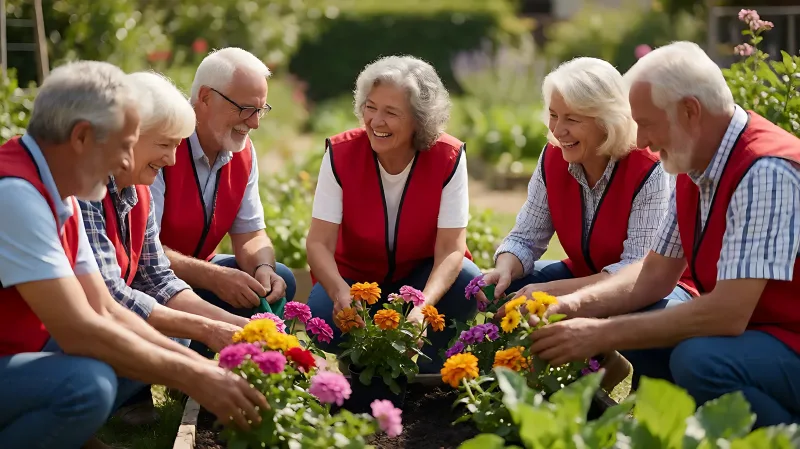
Retirement can leave many feeling disconnected. Volunteering bridges this gap by offering purpose, social connection, and physical health benefits. Learn how to start your community involvement journey today.
Volunteering after retirement provides structure, social connection, and a renewed sense of purpose. Research indicates that older adults who engage in community service experience higher levels of life satisfaction and better mental health. This guide outlines the specific benefits and practical steps for starting a meaningful volunteer path.
For more information, see NIA guide to participating activities from the National Institute on Aging.
Why Older Adults Struggle to Find Purpose After Retirement?
Leaving the workforce often removes the daily routine and professional identity that many people rely on. The National Institute on Aging (NIA) notes that this transition can lead to social isolation and a loss of self-worth if not actively managed. Volunteering fills this void by allowing seniors to use their professional skills and life experience for community good. It transforms passive leisure into active contribution, reducing the risk of depression and cognitive decline associated with inactivity.
What Are the Physical Benefits of Volunteering?
Many volunteer roles involve light to moderate physical activity, which aligns with the physical activity guidelines set by the CDC. Tasks such as gardening, organizing food banks, or assisting at community events encourage movement throughout the day.
- Improved Mobility: Regular light movement helps maintain joint flexibility and muscle strength.
- Heart Health: Active volunteer work can lower blood pressure and improve cardiovascular health.
- Better Balance: Activities like hiking for trail maintenance or dancing for community outreach enhance proprioception, reducing fall risk.
For seniors who struggle to motivate exercise for its own sake, the social context of volunteering makes movement feel less like a chore and more like a social event.
How Does Volunteering Impact Mental and Social Health?
Social connection is a critical pillar of healthy aging. The Alzheimer's Association highlights that regular social engagement helps preserve cognitive function. Volunteering offers a structured environment to meet new people, bridging generational gaps and combating loneliness.
Can Volunteering Reduce Stress?
Yes. Studies suggest that the act of helping others triggers a "helper's high," releasing endorphins and oxytocin. This biological response reduces stress hormones like cortisol. Older adults often report feeling more resilient and emotionally stable after consistent community involvement. The sense of efficacy gained from seeing tangible results in a local cause boosts self-esteem and overall happiness.
What Types of Volunteer Roles Fit Retired Skills?
Retirees bring decades of expertise that communities value highly. It is not necessary to start with heavy labor; professional consulting, mentorship, and administrative support are highly effective.
| Skill Set | Volunteer Opportunity | Impact Area |
|---|---|---|
| Teaching/Communication | Mentoring youth, teaching ESL classes | Education |
| Finance/Law | Board of Directors, legal aid clinics | Community Stability |
| Creative Arts | Museum docents, theater productions | Culture |
| General Physical Labor | Habitat for Humanity, park cleanup | Environment |
Matching your skills to the need ensures the experience remains rewarding rather than frustrating. The Corporation for National and Community Service, through its Volunteering in America report, confirms that skilled volunteers are more likely to stay engaged long-term.
How to Start Volunteering Safely and Effectively?
Starting slowly is key to preventing burnout. Beginners should select organizations with clear schedules and supportive leadership. It is important to verify that the organization is legitimate and follows safety protocols, particularly if working with vulnerable populations. The Consumer Product Safety Commission (CPSC) advises ensuring that any physical tools or materials used in volunteer work are safe and appropriate for your current health status.
What Are the First Steps to Finding a Role?
Begin by identifying two or three causes that genuinely interest you. Then, reach out to local non-profits or use national databases like VolunteerMatch or Idealist. Do not wait for a grand gesture. Many organizations welcome "trial" shifts where you can work one or two hours to see if the culture fits. Finally, communicate your energy levels honestly to coordinators; setting boundaries for time commitment ensures the arrangement is sustainable for everyone.
Frequently Asked Questions
Is it too late to start volunteering at age 70?
It is never too late. In fact, older adults often have the flexibility to choose roles that fit their physical capabilities. Many seniors find that their life experience makes them particularly effective in mentorship and advisory positions, which can be less physically demanding.
How many hours per week are recommended?
There is no strict requirement, but a sustainable starting point is 2 to 4 hours per week. This amount provides social connection and purpose without overwhelming your personal time. You can adjust the volume based on your energy levels and the season.
Can volunteering help prevent cognitive decline?
While it is not a cure, consistent intellectual and social engagement through volunteering can delay the onset of dementia. Learning new tasks and interacting with diverse groups stimulates neural pathways, supporting the brain's resilience against age-related changes.
What if I do not enjoy traditional volunteering?
Consider virtual volunteering. The National Society of Professionals in Off-site Technical Assistance (NSPOTA) and other groups offer remote opportunities where you can contribute skills like graphic design, translation, or financial advice from home. This allows you to maintain purpose and connection while controlling your physical environment.