How to Find a Disability Community
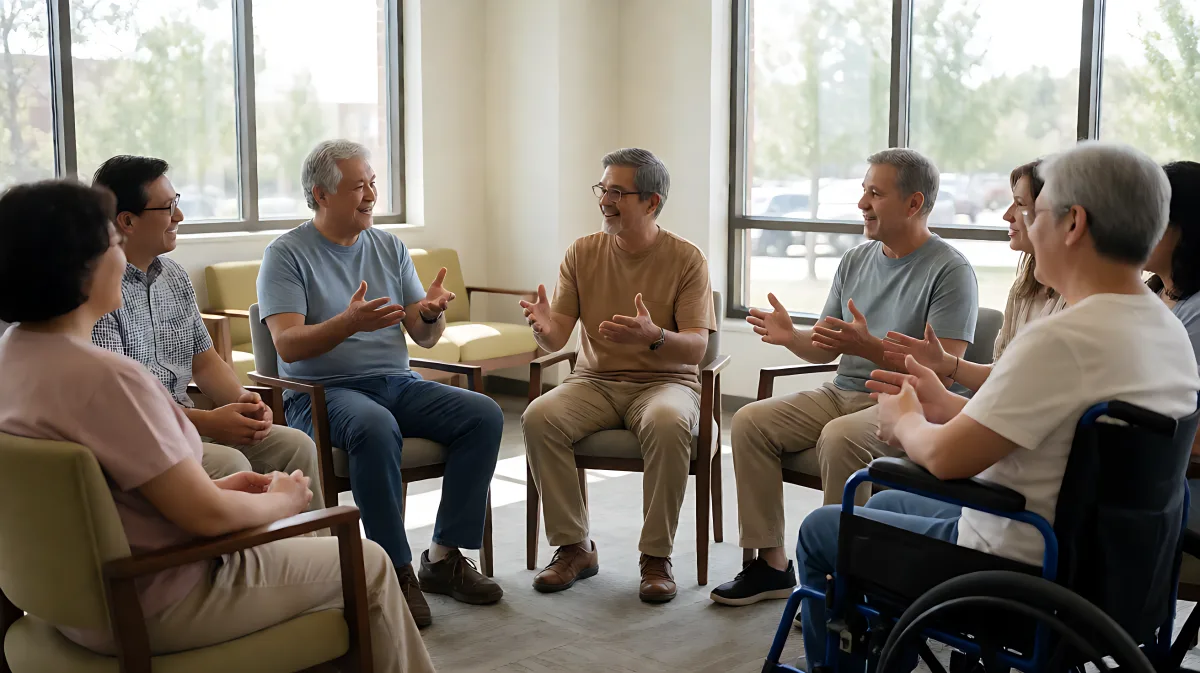
Struggling to find the right support? This guide breaks down how to connect with disability communities through online forums, national organizations, and local adaptive programs.
Building a disability community reduces social isolation and provides practical resources for navigating healthcare, education, and daily life. This article explains how to locate reliable peer support groups, national organization chapters, and local adaptive activity programs that fit specific mobility needs.
Why is finding a disability community important?
Social isolation is a significant risk factor for poor health outcomes among people with disabilities. Research suggests that consistent social engagement can mitigate these risks. As of 2025, public health data highlighted that adults with chronic conditions who maintain strong social ties report higher life satisfaction and better mental health indicators. For many, the gap between seeking help and finding a welcoming space is significant. You may be the only person in your immediate circle dealing with a specific diagnosis, making it difficult to validate experiences. A community provides a reservoir of shared knowledge. Members often have already navigated complex systems like insurance denials or school accommodation requests. This collective experience acts as a practical tool, saving individuals time and emotional energy. Connection transforms abstract challenges into manageable problems.
What are the best online platforms for disability peer support?
Online forums offer immediate access to peers across different geographies. This is crucial for those in rural areas or dealing with rare conditions. Major platforms include dedicated subreddits and social media groups. For example, r/disability on Reddit is a moderated space focused on rights and daily living. It enforces strict rules against ableism and medical misinformation. Special Needs Parents Support Group on Facebook reports over 50,000 members, providing a vast network for educational advocacy. When evaluating these groups, look for active moderation. Unmoderated spaces often accumulate spam and conflicting advice. Groups led by individuals with lived experience tend to prioritize practical solutions over inspirational content. Always check privacy settings. Closed groups are safer for sharing medical details, which are accessible to the public in open forums.
How can national organizations help locally?
National organizations provide infrastructure and credibility. They often have local chapters that host in-person events, workshops, and recreational leagues. The Arc serves people with intellectual and developmental disabilities, offering family support groups in most states. Easterseals provides therapy services and inclusive recreation programs. United Cerebral Palsy, despite its name, supports a wide range of disabilities through case management and assistive technology resources. These chapters offer what online groups cannot: face-to-face trust and local resource knowledge. They know which specific schools have strong special education programs or which local providers accept Medicaid. If your nearest chapter is far away, call them anyway. They frequently maintain lists of informal local meetups or regional events that are not listed on their main websites.
What role do Parent Training and Information Centers play?
Every US state has a Parent Training and Information Center funded by the Department of Education. These centers provide free training on Individualized Education Programs and 504 plans. They also offer one-on-one support for families in dispute with schools. Many families assume these centers are strictly for legal advocacy, but in fact, they also facilitate parent-to-parent mentorship. This matches new families with experienced mentors who have navigated similar situations, creating a supportive bond that extends beyond the school year.
How do local adaptive activities reduce isolation?
Physical barriers often prevent participation in social activities. Adaptive programs are designed to accommodate limited mobility without excluding anyone. Many communities offer chair-based fitness, resistance band exercises, and seated tai chi. These activities maintain circulation and muscle strength while respecting physical limitations. Creative outlets like painting, knitting, and music therapy are also adapted for seated participation. Research indicates that engaging in the arts supports cognitive health and reduces the risk of conditions like dementia. These sessions are not just physical; they are social hubs. Participants form friendships over shared creative projects or group discussions. The environment is designed to be accessible, with wide paths and comfortable seating. This setup ensures that people using walkers or wheelchairs can move through the space safely and independently.
What checklist should you use to evaluate a support group?
- Check Moderation: Verify that the group has clear rules and active moderators who remove harmful content.
- Assess Leadership: Prefer groups led by people with lived experience in disability or specific conditions.
- Review Privacy: Ensure that medical details and personal stories are protected in closed groups.
- Observe Tone: Look for supportive language that allows for struggles rather than enforcing toxic positivity.
- Verify Resources: Confirm that the group shares verified, up-to-date information on benefits and accommodations.
Common mistake to avoid when seeking help
Many individuals assume that large, national organizations are too distant to offer personal help. In fact, their local chapters are often the most effective entry point for face-to-face connection. They provide the specific local knowledge that national websites cannot. Calling the national headquarters and asking for the nearest chapter contact is a direct and effective strategy to find relevant local support.
Frequently Asked Questions
Are peer support groups free to join?
Most legitimate peer support groups are free. If a group asks for financial contributions or sells proprietary medical advice, proceed with caution. Peer support is based on mutual aid, not commercial transaction.
How do I find a group for a rare condition?
Search for "rare disease" specific communities on platforms like RareConnect.org. This organization hosts moderated communities for over 600 rare diseases, connecting patients with others who share their specific diagnosis.
Can I combine online and local support?
Yes. Online groups offer 24/7 access to information, while local chapters provide face-to-face interaction and local resource knowledge. Using both approaches creates a comprehensive support network.
What if my mobility needs change over time?
Adaptive activity programs are flexible. Coordinators in senior living or community centers regularly assess residents' capabilities. They adjust exercises and social activities to match current mobility levels, ensuring continued participation and independence.