Pets for Seniors: Health Benefits & Loneliness
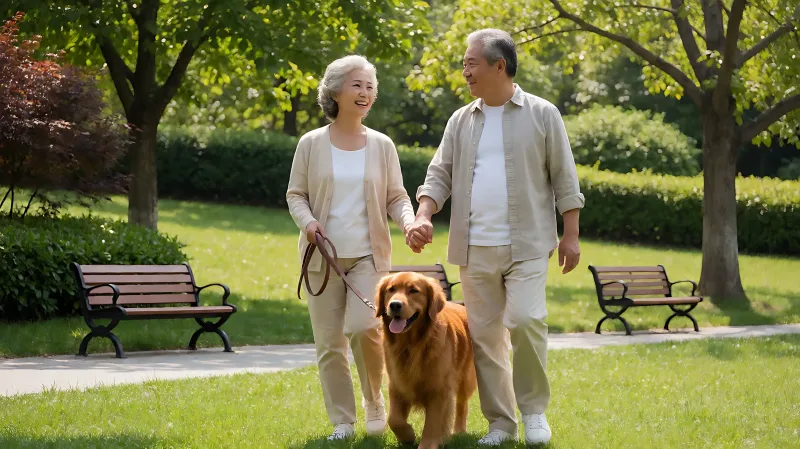
Companion animals offer more than comfort. They can reduce loneliness, boost physical activity, and provide a sense of purpose for older adults. Learn how to choose the right pet for your lifestyle.
Companion animals offer older adults a powerful tool against loneliness by providing daily structure, physical activity, and meaningful social engagement. Studies show that pet ownership is linked to reduced anxiety and a greater sense of purpose. For seniors, a pet can be more than just a friend; it can be a vital part of a healthy and active lifestyle that supports emotional well-being and community connection.
For more information, see NIA healthy aging resources from the National Institute on Aging.
Why Do Pets Reduce Loneliness in Older Adults?
Loneliness is a significant health risk for people over the age of 65, with the CDC noting that social isolation can lead to chronic diseases and mental health challenges. Pets provide consistent companionship that fills the quiet moments of the day. The routine of feeding, playing, and caring for an animal creates a sense of duty and connection. This emotional bond helps mitigate feelings of isolation, especially for those living alone or after the loss of a spouse.
Do Pets Actually Improve Mental Health?
Yes. Research published in BMC Psychology analyzed data from nearly 588 companion animal owners across Australia. The study found that while dog owners engaged in more physical activity, it was the non-dog-related physical activity that was most strongly associated with improved mental health outcomes. Interestingly, older and younger adults experienced similar levels of moderate loneliness, but this loneliness was more strongly linked to depression and anxiety in younger adults. For older adults, the presence of a pet provides a stabilizing factor that supports emotional resilience without necessarily increasing depressive symptoms in the same way.
What Are the Physical Benefits of Owning a Dog?
Dogs are often called "mobility assistants" for seniors because they require regular exercise. Walking a dog for just 30 minutes a day meets the minimum physical activity guidelines recommended by health experts. This consistent movement helps maintain joint flexibility, improves cardiovascular health, and lowers blood pressure. According to the CDC, interacting with pets is associated with lower cholesterol and triglyceride levels, further supporting heart health.
How Much Exercise Do Seniors Get From Dog Walking?
The amount of exercise varies by the dog's breed and size, but most seniors report walking between one and two miles daily. This equates to roughly 10 to 20 minutes of walking for small dogs and up to 45 minutes for larger breeds. The key is consistency. Even short, frequent walks contribute to overall health. The National Institute on Aging emphasizes that regular physical activity, such as walking, reduces the risk of heart disease and type 2 diabetes, both of which are prevalent in older populations.
How Do Pets Create Social Connections?
Pets are natural conversation starters. A walk in the neighborhood can lead to chats with neighbors, fellow dog owners, and passersby. These small interactions build a sense of community and reduce the isolation often felt in retirement. Veterinary visits and pet-related events also provide structured opportunities for social engagement. The American Humane Society notes that these social links are crucial for maintaining cognitive function and emotional well-being in later life.
Can Pets Help with Grief and Life Transitions?
Absolutely. For those experiencing the loss of a partner or other major life changes, pets provide unconditional support. Organizations like Pets for Vets have matched over 650 veterans with shelter pets, highlighting the profound impact of the human-animal bond in healing trauma and providing a "new beginning." While this specific program targets veterans, the principles apply broadly: a pet can serve as a source of comfort, a reason to get up in the morning, and a partner in recovery.
How to Choose the Right Pet for an Older Adult?
Selecting a companion animal requires careful consideration of your lifestyle, mobility, and financial resources. Not every pet is suitable for every senior. The University of Michigan's 2025 National Poll on Healthy Aging found that 55% of adults age 50 and older have at least one pet, but 31% reported that caring for a pet strains their budget. It is essential to be realistic about the commitments involved.
| Consideration | Best Pet Choice | Why |
|---|---|---|
| Limited Mobility | Cat or Small Dog | Requires less vigorous physical activity; can adapt to indoor living. |
| High Activity Level | Medium/Large Dog | Encourages daily walks and outdoor time, supporting cardiovascular health. |
| Apartment Living | Cat or Senior Dog | Space-conscious options that are typically quieter and less demanding. |
| Social Anxiety | Any Pet | Pets act as social bridges, making it easier to interact with others in public. |
Should Seniors Adopt Older Pets?
Often, yes. Senior dogs and cats tend to be calmer, house-trained, and require less intense training than puppies. They adapt well to a quieter lifestyle and can match the energy levels of older adults. However, potential owners should be aware that older pets may have underlying health conditions that require more frequent veterinary care and medication.
What Are the Financial and Emotional Commitments?
While the benefits of pet ownership are significant, they come with responsibilities. Veterinary care, food, supplies, and emergency treatments can be expensive. The CDC advises that pet owners plan for these costs to avoid the stress of financial burden. Additionally, owners must arrange for care in case of illness or travel. If full ownership is not feasible, animal-assisted activities, such as visiting therapy animals in nursing homes or volunteering at shelters, can provide similar emotional benefits without the long-term commitment.
Are There Risks to Pet Ownership for Seniors?
The primary risks are financial strain and injury. Tripping over pets or being pulled by a dog on a leash can lead to falls, a major concern for older adults. The Consumer Product Safety Commission (CPSC) recommends using secure leashes and walking in safe areas to prevent accidents. Additionally, owners must ensure the pet is healthy and vaccinated to protect against zoonotic diseases, as outlined by the CDC's guidelines for healthy pet ownership.
Frequently Asked Questions
Can a pet replace human social interaction?
No, a pet cannot fully replace human connection, but it can complement it. The American Humane Society notes that pets provide emotional support and routine, which can help seniors remain engaged in their communities. They are a bridge to socialization, not a substitute for professional mental health support or family connections.
What is the best pet for a senior living alone?
It depends on the individual's activity level. For those who enjoy walking, a medium-sized, calm dog is ideal. For those with limited mobility or who prefer a quieter home, a cat or a small, older dog may be better. The key is choosing a pet that fits your current health and lifestyle rather than your past habits.
How much does it cost to care for a pet?
Costs vary widely, but the CDC suggests budgeting for routine veterinary care, food, and supplies. Unexpected medical issues can add to expenses. Seniors should consider the long-term financial commitment before adopting. Some organizations offer subsidies or assistance for senior pet owners, so it is worth researching local resources.
Do pets lower blood pressure?
Yes. Studies have shown that interacting with pets, particularly dogs and cats, can lower systolic and diastolic blood pressure. The CDC links pet ownership to improved cardiovascular health, including lower cholesterol and triglyceride levels, which contributes to overall wellness.
Is it too late to get a pet after 70?
It is not too late. Many seniors adopt pets in their 70s and 80s. The key is to ensure you can provide for the pet's needs. If you are healthy and have a support system for emergencies, a pet can significantly enhance your quality of life by providing purpose, activity, and companionship.