Eye and Ear Health: Screenings & Maintenance Guide
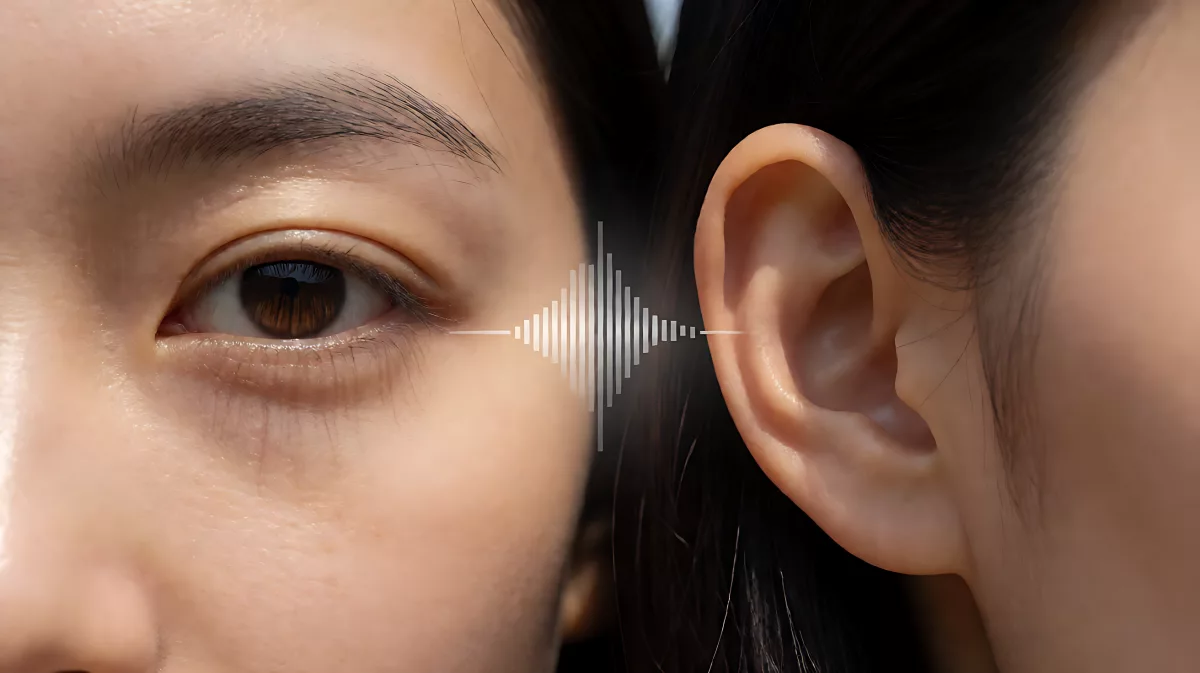
Sensory health is fundamental to quality of life. This guide explores how early screening for children and consistent maintenance for adults prevent long-term vision and hearing loss, focusing on modern technology and community resources.
Protecting your eyes and ears involves consistent screening at key life stages to prevent permanent sensory loss. In the United Kingdom and the United States, early detection allows for timely interventions that preserve language development in children and independence in older adults. Modern screening tools now combine vision and hearing checks into single sessions, making preventive care faster and more accessible for families and individuals alike.
Why Sensory Health Matters for Development
Vision and hearing are not just biological functions; they are the primary channels through which we learn, communicate, and navigate the world. For infants and young children, untreated sensory deficits can lead to significant delays in language acquisition and cognitive growth. The Illinois Department of Public Health emphasizes that early identification is critical, as children with unaddressed hearing or vision issues often struggle with social integration and academic performance. Because young children may not explicitly complain about not hearing or seeing well, proactive screening by healthcare providers and educators is the first line of defense.
As individuals age, the landscape shifts from developmental support to maintenance and preservation. Hearing loss can stem from various factors, including noise exposure, genetics, and certain medications, while vision loss may result from eye disease, injury, or age-related changes. Regular check-ups help distinguish between temporary issues and conditions requiring long-term management.
How Pediatric Screenings Are Conducted
School-based and clinical screening programs in the US are governed by strict standards to ensure accuracy. In states like Illinois, the Children's Vision and Hearing Testing Act mandates annual screenings for preschool and school-age children. These programs are typically carried out by certified technicians who have undergone specific training. The goal is to identify children who need further evaluation by specialists, such as optometrists or audiologists, rather than diagnosing conditions themselves.
What Are the Standard Age Milestones?
Screening frequencies vary slightly by state, but a common framework involves testing young children at regular intervals. For example, in Illinois, preschoolers and students in kindergarten, second, and eighth grade are generally required to have annual vision screenings, while hearing screenings are annual for many groups. Specific age milestones often look like this:
- Ages 1 to 3: Basic visual tracking and early hearing response checks.
- School Age (K-12): Formal visual acuity and audiometry screenings during the school year.
- Adolescence: Continued monitoring for changes in prescription needs and noise-induced hearing risk.
If a child fails a screening, they are referred for a comprehensive exam. Parents may be required to waive screening for religious reasons, but this typically involves submitting a written declaration to school authorities, ensuring the child still receives alternative care where possible.
Modern Technology in Vision and Hearing Checks
One of the most significant advancements in sensory health is the integration of multiple testing methods into single devices. The GoCheck MultiScreener is an example of this trend, combining photoscreening for eyes, visual acuity tests, and pure-tone audiometry for ears into one portable unit. This approach is particularly valuable in busy clinics and schools, as it reduces the time required for screenings and eliminates the need for multiple pieces of bulky equipment.
How Do Integrated Devices Improve Care?
Integrated devices improve care in three ways. First, they increase throughput, allowing providers to screen more children in less time. Second, they ensure consistency, as the same device handles both vision and hearing data. Third, they support clinical workflows by syncing results directly with electronic health records (EHRs). This seamless data transfer reduces the risk of transcription errors and helps doctors make quicker, more informed decisions. For instance, a provider can view a child’s visual acuity results and hearing thresholds on a single dashboard, immediately spotting if one sensory loss is masking the other.
Reimbursement structures have also evolved to support these tools. In the US, specific CPT codes allow for the billing of these screenings, making them more economically viable for private practices and public health organizations. This financial alignment encourages broader adoption of high-quality screening protocols.
Managing Sensory Loss in Adulthood
While childhood screening is proactive, adult sensory health is often reactive. By the time most adults seek help, they may have already experienced some degree of loss. In the UK, the National Health Service provides access to audiology and ophthalmology services, but wait times can vary by region. In the US, Medicare and other insurance plans play a central role in coverage. Organizations like Senior Solutions Group help adults navigate these systems, offering guidance on Medicare Advantage plans that bundle vision and hearing benefits with standard medical coverage.
For adults, prevention often involves lifestyle changes. Protecting ears from loud noise, wearing UV-protective sunglasses, and maintaining a healthy diet can mitigate the risk of age-related decline. Regular eye exams are recommended every two years for adults without risk factors, and more frequently for those with conditions like diabetes or glaucoma.
What Resources Are Available for Support?
Both the US and UK have robust networks of support for individuals with sensory impairments. In the US, the Centers for Disease Control and Prevention (CDC) provides data and guidelines on vision and hearing health, while the American Council of the Blind and the National Association of the Deaf offer advocacy and resources. In the UK, organizations such as Action on Hearing Loss and the Royal National Institute of Blind People provide similar support. These bodies not only offer practical assistance but also raise awareness about the importance of early intervention.
Community programs also play a vital role. Head Start initiatives in the US, for example, integrate sensory screenings into early childhood education, ensuring that disadvantaged children receive timely care. Schools are increasingly required to report screening results to ensure that follow-up appointments are scheduled and completed. This multi-layered approach—combining clinical, educational, and social support—creates a more effective safety net for sensory health.
Frequently Asked Questions
How often should adults get their eyes and ears checked?
For adults with no known conditions, a baseline hearing test and comprehensive eye exam are recommended. Follow-ups are typically every two to five years, or more frequently if you have risk factors such as a family history of eye disease, chronic illnesses like diabetes, or high occupational noise exposure.
Can school screenings diagnose sensory loss?
No, school screenings are initial flagging tools. They identify children who may have issues but cannot provide a definitive diagnosis. A positive screening result requires a follow-up appointment with a licensed audiologist or ophthalmologist for a full evaluation and treatment plan if necessary.
What is the role of technology in home screening?
While some consumer apps offer basic hearing tests, they are not a substitute for clinical-grade devices. Professional screening tools, like the GoCheck MultiScreener, are calibrated to medical standards and are used by trained technicians to ensure accuracy. Home tests can be useful for monitoring changes over time but should always be confirmed by a healthcare professional.
How do insurance plans cover vision and hearing care?
Coverage varies significantly. In the US, original Medicare does not typically cover routine vision or hearing aids, but many Medicare Advantage plans do include these benefits. In the UK, the NHS covers necessary medical care, but some cosmetic or elective procedures may require private insurance. It is essential to review your specific plan details to understand your coverage.