Diabetes, Otitis Media, and Hearing Loss: What to Watch For
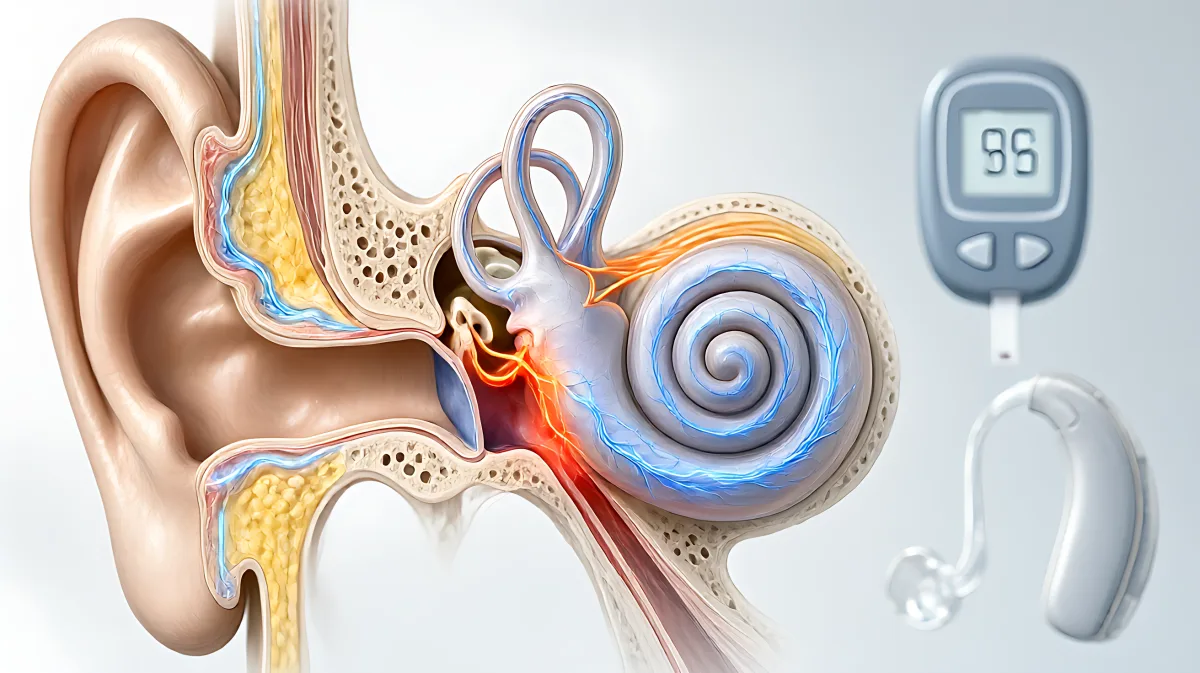
Many adults with diabetes assume that ear problems are minor nuisances, but in fact, they are major risks for permanent sensory decline. New guidance highlights that hearing loss is twice as common in people with diabetes and that chronic middle ear infections can worsen tinnitus and balance issues. This article breaks down the physiological link, specific statistics, and a step-by-step plan for annual ear care.
Diabetes significantly increases the risk of permanent hearing impairment and balance disorders, with studies indicating that hearing loss is twice as prevalent in people with diabetes as in their non-diabetic peers. Chronic otitis media, or persistent middle ear infection, compounds this risk by damaging the middle ear structures and often leading to tinnitus and vertigo. To protect your senses, the Centers for Disease Control and Prevention recommends annual audiologic screenings and strict blood sugar management.
How Does Diabetes Damage the Auditory System?
The connection between metabolic health and hearing is largely vascular and neural. High blood glucose levels over time cause damage to the small blood vessels that supply the inner ear and the auditory nerves that carry signals to the brain. This process, known as microvascular damage, leads to reduced blood flow and neuronal degeneration. Low blood sugar events can also disrupt nerve signal transmission, further complicating auditory processing. According to the CDC, hearing loss is 30% higher in adults with prediabetes than in those with normal blood sugar levels, suggesting that the risk begins before a full diagnosis of diabetes is made.
What Role Does Chronic Otitis Media Play in These Complications?
Chronic otitis media (COM) is a long-term condition involving the abnormality of the tympanic membrane, often resulting from unresolved acute infections. In patients with diabetes, the healing process is frequently impaired due to poor circulation and immune dysfunction. A study published in the International Journal of Pharmaceutical and Clinical Research found that among 100 diabetic patients with chronic otitis media, 87% experienced hearing loss. Additionally, 12% reported tinnitus, and 13% experienced vertigo. These symptoms are not just minor annoyances; they are signs of damage to the middle and inner ear that can become permanent if the underlying infection and metabolic issues are not addressed.
Is Tinnitus a Permanent Outcome of These Conditions?
While not everyone will develop permanent tinnitus, the combination of diabetes-related nerve damage and chronic ear infection creates a high-risk environment for persistent ringing or buzzing sounds. Many families assume that tinnitus is just a temporary side effect of a cold or noise exposure, but in fact, for diabetic patients, it can be a marker of ongoing cochlear or neural damage. The CDC notes that people with diabetes may also be prescribed medications that are ototoxic, meaning they can harm the ear. This compounded risk makes it crucial to monitor for ringing sounds and report them to a healthcare provider immediately.
What Are the Signs That Your Ear Health Is Deteriorating?
Because hearing loss often progresses slowly, it is easy to miss early warning signs. The CDC identifies several key indicators that should prompt a professional evaluation:
- Difficulty understanding speech in noisy environments, such as restaurants or crowded rooms.
- Frequently asking others to repeat themselves or responding with "what?" or "huh?" in conversations.
- Turning up the television or radio volume to levels that others find too loud.
- Increased frequency of falls or a general sense of being off-balance.
- Perception that others are mumbling when they are speaking at normal volumes.
Beyond hearing, vestibular dysfunction is 70% more likely in people with diabetes. This affects the inner ear's balance organs, leading to a 39% higher incidence of falls. This dual impact on hearing and balance makes comprehensive ear care a critical component of diabetes management.
How Can You Protect Your Hearing and Balance?
Prevention and early detection are the most effective ways to manage these risks. The CDC and various audiology experts recommend a structured approach to ear care for anyone with diabetes or a history of chronic otitis media.
What Steps Should You Take at Your Next Medical Visit?
Use the following checklist to ensure your ear health is being monitored alongside your metabolic health:
- Schedule an Annual Audiogram: Make a hearing test a permanent part of your diabetes care schedule, starting from the time of diagnosis.
- Request a Vestibular Evaluation: Ask an audiologist to screen for balance issues related to the semicircular canals and otolith organs.
- Review Medications: Ask your provider if any current or past medications (such as certain antibiotics, diuretics, or high-dose salicylates) are ototoxic.
- Use a Self-Assessment Tool: Complete the Hearing Handicap Inventory or similar screening tool to track changes in your hearing over time.
- Monitor Blood Sugar Strictly: Aim for tight glucose control to prevent further damage to the cochlear microcirculation and auditory nerves.
Common Myths About Diabetes and Ear Health
Despite the clear data, misconceptions persist. One common belief is that hearing loss is solely an age-related issue that cannot be influenced by lifestyle. However, while aging does play a role, diabetes accelerates this process through specific microvascular and neural pathways. Another misconception is that a "healed" chronic otitis media is a closed chapter. In reality, inactive mucosal COM can still leave the pars tensa permanently perforated, and the associated tinnitus or balance issues may require ongoing management. It is also a mistake to ignore ear discharge or fullness. In diabetic patients, these symptoms can signal active inflammation or squamous epithelial migration, which requires specialist intervention to prevent more severe complications like cholesteatoma.
What Support Services Are Available for Patients?
Healthcare systems are increasingly recognizing the need for integrated care. Diabetes self-management education and support (DSMES) services, offered through programs accredited by the American Diabetes Association, can help patients develop practical skills for maintaining stable blood sugar levels. These programs often include referrals to audiologists and other specialists. Furthermore, community health workers and patient navigators can assist in overcoming barriers to care, such as transportation or cost. If you notice changes in your hearing or balance, do not wait for your next annual appointment. Early intervention can delay or prevent the progression of sensory loss.
Frequently Asked Questions
Can I reverse hearing loss caused by diabetes?
Once permanent sensorineural damage has occurred, it cannot be reversed. However, strict blood sugar control and avoiding further ototoxic exposures can prevent worsening and may help stabilize remaining hearing. Early treatment of conductive issues like chronic otitis media can also improve specific types of hearing loss.
How often should a person with diabetes see an audiologist?
The CDC recommends an annual hearing check for everyone with diabetes. This includes a full audiologic evaluation to test both hearing levels and balance function. If you have a history of chronic otitis media, you may need more frequent check-ups depending on your specific ear condition.
Do balance problems from diabetes always involve the inner ear?
Not always. While damage to the vestibular system in the inner ear is a primary cause, diabetes also affects the nerves in the legs and feet (peripheral neuropathy) and the brain's processing of balance. A comprehensive evaluation helps distinguish between inner ear causes and other systemic factors.
Is tinnitus a sign of serious complications?
Tinnitus can be a sign of underlying damage to the auditory system, particularly when combined with hearing loss. In the context of diabetes and chronic ear infection, it warrants a professional evaluation to rule out active infection, nerve damage, or medication side effects. It is not just a nuisance symptom but a clinical indicator.