Vision and Hearing Screening: Early Detection Benefits
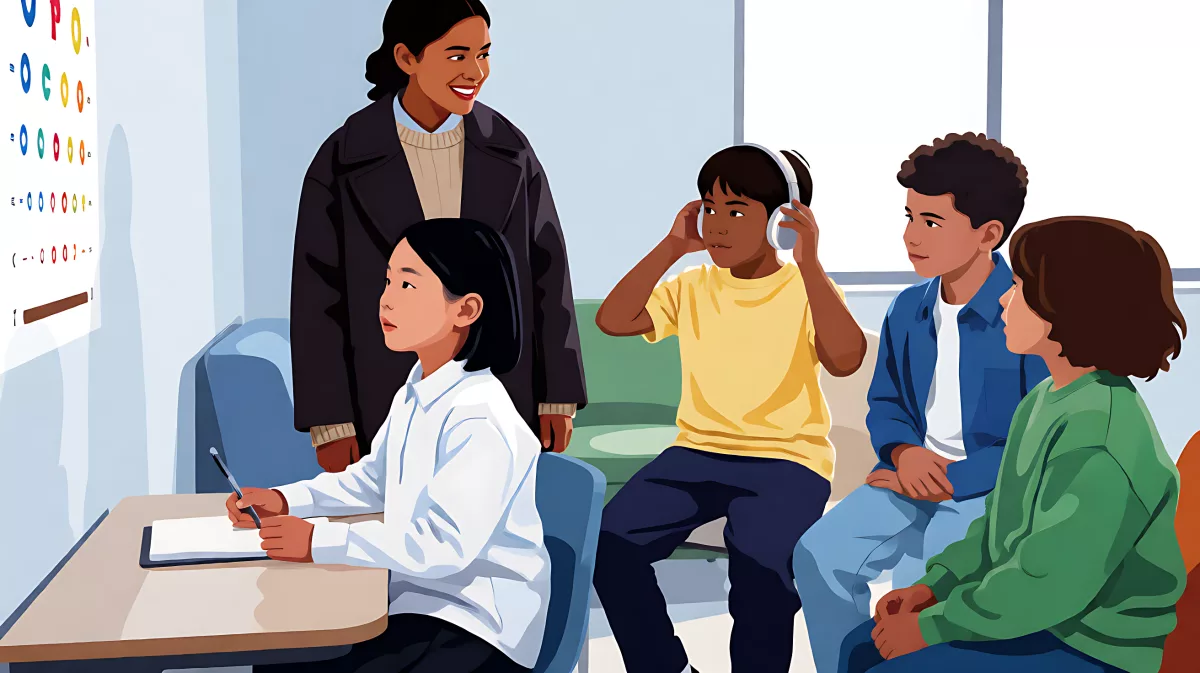
Early detection of vision and hearing issues is vital. Explore how routine screenings help children develop language, social skills, and academic success without costly delays.
Regular vision and hearing checks are essential for children because early detection prevents long-term learning and social delays. When kids struggle to see or hear, they often miss critical language cues and classroom instruction. Modern screening tools allow healthcare providers to identify these issues quickly, ensuring that treatments like hearing aids or corrective lenses are started at the right time.
Why do early screenings matter for child development?
Children who have undiagnosed hearing loss often fail to develop normal speech patterns, which isolates them from their families and playmates. The Illinois Department of Public Health highlights that impaired hearing interferes with language development and academic performance. Similarly, vision disorders such as amblyopia, where one eye dominates the other, or strabismus, where eyes cross, can lead to permanent sight loss if not treated early. According to the CDC, vision disorders are among the most prevalent disabling conditions in childhood. Without adult intervention, children rarely report these issues themselves; they simply adapt to the limitations. This is why mandated screening programs are critical in educational settings.
Which groups require mandatory vision and hearing checks?
In the United States, many states have laws requiring annual screenings for school-age children. For example, the Child Vision and Hearing Test Act in Illinois mandates screenings for preschoolers aged three and up, as well as students in kindergarten, second, and eighth grades. These checks must be performed by certified technicians or nurses. If a child fails a screening, they are referred to an eye specialist or an audiologist for a full diagnostic evaluation. Parents may opt out on religious grounds, but medical professionals strongly recommend participation to catch preventable conditions.
How does modern technology improve screening accuracy?
Traditional screening required bulky, separate machines for vision and hearing. New integrated devices, such as the GoCheck MultiScreener, combine photoscreening, visual acuity tests, and pure-tone audiometry into a single handheld unit. This device is trusted by major pediatric providers and can screen children as young as 12 months for amblyopia risk factors. The technology uses automated analysis to detect bilateral eye issues without requiring the child to understand complex instructions. For hearing, it plays specific tone frequencies through calibrated headphones, identifying gaps in auditory perception within minutes. This efficiency allows more children to be screened in less time, improving overall public health outcomes.
What role do parents and teachers play in detection?
While technology is advancing, human observation remains the first line of defense. Teachers often notice when a child turns up the volume on a classroom speaker or sits unusually close to the whiteboard. Parents should watch for signs like delayed babbling, lack of response to name, or holding toys at specific distances to see them clearly. If these behaviors persist, it is crucial to consult a pediatrician. The American Academy of Pediatrics recommends that all infants have a hearing test within the first month of life and routine vision checks during well-child visits. Early intervention services can make a lifelong difference in a child's ability to communicate and learn.
FAQ
What are the most common vision problems in children?
The most frequent vision issues are refractive errors, such as nearsightedness or farsightedness, as well as amblyopia and strabismus. These conditions are highly treatable when found early through routine screenings. Untreated, they can lead to significant visual impairment later in life.
Can hearing loss be genetic?
Yes, genetics is a leading cause of congenital hearing loss in children. Other causes include infections, exposure to loud noises, trauma, or certain medications. Regular screening helps identify these factors early so that hearing aids or other interventions can be provided promptly.
How often should children be screened for vision and hearing?
Most health guidelines recommend annual screenings for school-age children. For infants, hearing should be checked shortly after birth, and vision checks should occur regularly during well-child visits. Specific mandates vary by state, so local school districts and pediatricians should guide the schedule.
Are school screenings enough to diagnose a problem?
School screenings are designed to identify who needs further evaluation, not to provide a final diagnosis. A "pass" or "fail" result from a school screening is a signal to see a specialist. If a child fails a hearing or vision screen, a pediatrician or audiologist will perform a comprehensive diagnostic test to determine the exact cause and appropriate treatment plan.