Vision and Hearing Loss Solutions for 2026
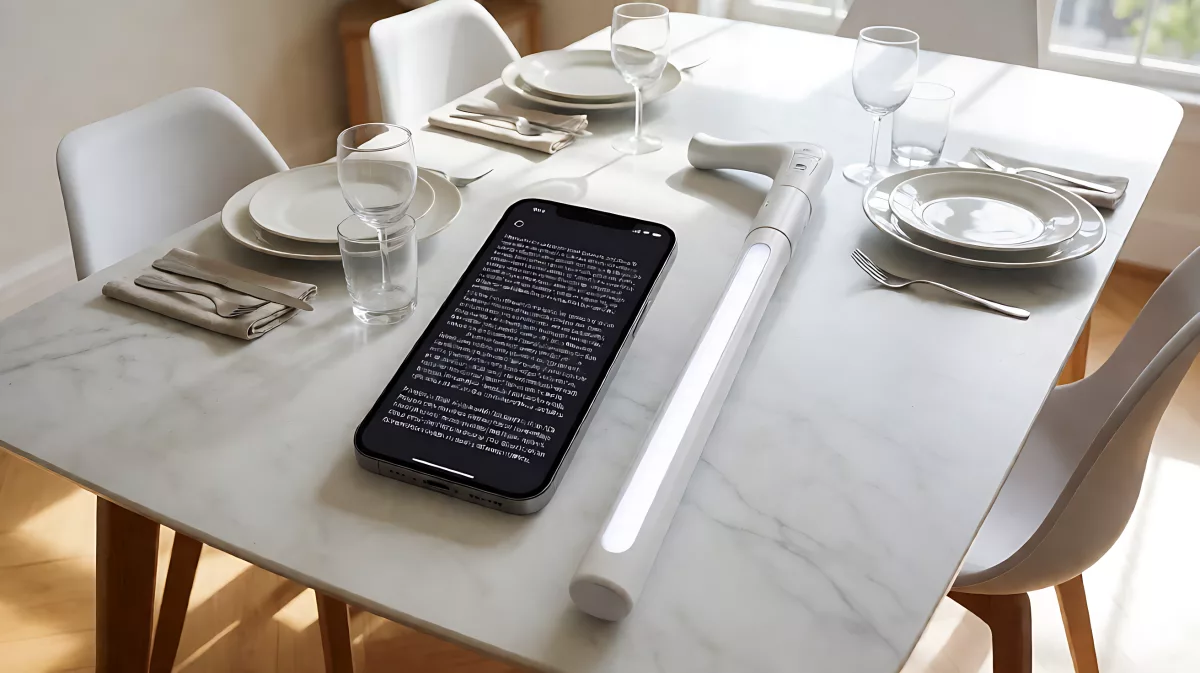
Discover how specialized repair services and community-driven assistive technologies are changing the lives of people managing simultaneous vision and hearing challenges.
Vision and hearing loss affect millions of adults, yet practical solutions often remain fragmented. In 2026, a significant shift toward accessible, community-driven technology and affordable direct-to-consumer repair services is bridging this gap. From specialized hearing aid fixes to new mobility aids designed for low-vision users, these innovations prioritize user control and reliability to enhance daily independence and safety.
What are the current options for hearing aid repair?
Traditional hearing aid repairs have historically been expensive and slow, often requiring users to visit local clinics with high fees. A consumer-focused alternative has emerged through direct-to-consumer online services. For instance, specialized labs now offer complete analysis and diagnostic testing for major brands like ReSound at a fixed price of $249. This service includes a six-month warranty and options for rush repairs, allowing users to avoid the overhead costs of physical stores. Programming adjustments, such as customizing settings based on an audiogram, are available for approximately $99, ensuring that devices are tuned to the user's specific auditory needs rather than just fixed for hardware faults.
How is assistive technology being redesigned for combined vision and hearing loss?
Organizations are moving away from one-size-fits-all gadgets and toward tools that address the specific barriers faced by people with dual sensory impairments. One notable example is the development of a light-up white cane, a concept driven by real-world incidents where drivers failed to spot users on dark streets. This innovation adds optional lighting to the familiar white cane, ensuring it remains lightweight and functional even when the battery is empty or the light is off. The design principle here is strictly user control: the person using the cane decides when the light is active, ensuring the technology supports, rather than replaces, their established mobility methods.
What role does real-time transcription play in communication?
For individuals who are deaf or hard of hearing, following natural conversation in busy environments remains a significant hurdle. New applications are being developed to provide real-time transcripts of spoken interactions. These tools are not just about converting speech to text; they are designed to offer extensive control over the output. Users can adjust text size, contrast, and display preferences to suit their visual acuity. Crucially, these systems are built with privacy as a core feature, allowing users to dictate exactly when transcription begins and ends, and how data is stored or processed. This approach ensures that the technology supports communication without compromising personal autonomy.
Why is community involvement critical in these design processes?
Successful assistive technology is rarely effective when it is developed without input from the people it serves. Modern development models prioritize a 'built with' rather than 'built for' philosophy. Feedback loops with blind, low-vision, and deaf communities help identify which features are truly useful versus which are merely flashy. Reliability is consistently valued over novelty; a simple tool that works every time is preferred over a complex system that fails occasionally. This focus on practical, dependable features ensures that the technology reduces daily barriers rather than adding new sources of frustration.
How are families supporting elderly loved ones with sensory decline?
Vision and hearing loss often accelerate with age, making the choice of living arrangements and care services a major decision for families. Matching services have evolved to provide free, personalized guidance from local advisors who understand the specific needs of seniors with sensory impairments. These advisors help families navigate options such as assisted living or in-home care, ensuring that the chosen environment supports the individual's remaining abilities. By touring facilities and asking targeted questions about accessibility, these advocates help families make informed decisions without the pressure of sales targets, focusing instead on the long-term well-being of the loved one.
Frequently Asked Questions
Are direct-to-consumer hearing aid repairs reliable?
Yes, many specialized online labs offer professional-grade diagnostic testing and repairs with warranties comparable to brick-and-mortar stores. They often provide more competitive pricing because they operate without the overhead of physical retail locations, making high-quality maintenance more accessible to a wider range of users.
What is a light-up white cane?
A light-up white cane is an assistive mobility tool equipped with an optional LED light to improve visibility for drivers and pedestrians in low-light conditions. It is designed to remain fully functional as a standard white cane when the light is off, ensuring that users do not lose their primary mobility aid due to technical failures.
Can real-time transcript apps protect user privacy?
Modern applications are increasingly designed with privacy-first architectures. This means users have explicit control over when data is collected, how it is processed, and whether it is stored locally on the device. This approach allows individuals with hearing loss to communicate more effectively without surrendering their personal data to third parties.
How do matching services help with senior care decisions?
These services connect families with local advisors who provide free, unbiased guidance on care options. The advisors help evaluate facilities based on specific sensory and physical needs, such as the availability of hearing-friendly communication systems or visual contrast features, ensuring the selected care setting aligns with the individual's quality of life goals.