Video Games for Seniors: Brain Health Benefits
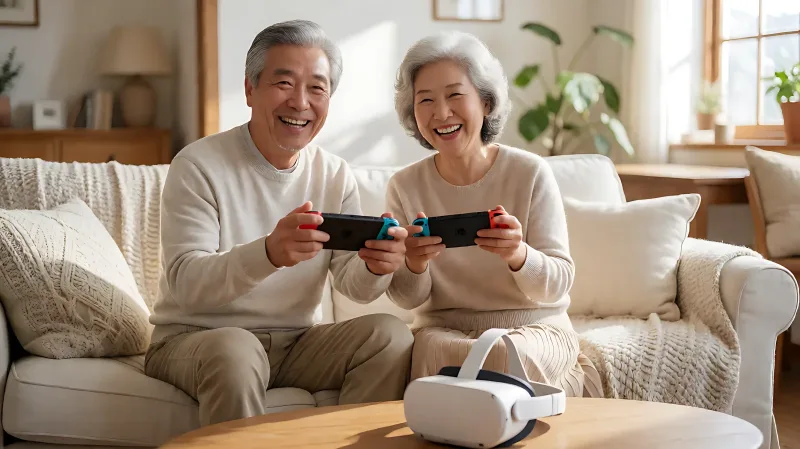
Think video games are just for kids? Think again. New research suggests that seniors can gain significant cognitive and emotional benefits from playing interactive titles and using virtual reality.
Video games offer more than just entertainment for older adults. According to data from the Entertainment Software Association, nearly half of Americans aged 62 to 80 play video games weekly. Research from the National Institute on Aging suggests that regular gameplay can improve memory function, reduce stress, and even support physical balance in seniors. The key is choosing titles that balance cognitive challenge with genuine enjoyment.
For more information, see NIA health information for older adults from the National Institute on Aging.
Do video games actually improve brain health?
Yes. Multiple studies indicate that interactive digital games stimulate key brain regions responsible for memory and attention. A study published in the Alzheimer's Research & Therapy journal followed over 471,000 participants and found that those who played computer games regularly had a lower risk of developing dementia. The research suggests that the complex tasks required in gaming, such as spatial navigation and rapid decision-making, help maintain neural pathways associated with healthy aging.
What specific cognitive skills do games sharpen?
Gaming acts as a workout for the brain, similar to how physical exercise strengthens muscles. For seniors, the benefits include:
- Short-term memory: Players must remember sequences, locations, and rules, which exercises the hippocampus.
- Task switching: Modern games require quick shifts between different objectives, improving mental flexibility.
- Visual-spatial processing: Navigating 3D environments helps maintain orientation skills, which can translate to better balance and gait in daily life.
A notable study at the University of Montreal compared seniors playing Super Mario 64 with those taking piano lessons or doing nothing. The gaming group showed significant increases in gray matter in the hippocampus, a region critical for memory formation. This physical change in brain tissue is linked to a reduced risk of Alzheimer's disease.
How can seniors find the right balance between training and fun?
To reap the health benefits without causing burnout or eye strain, balance is essential. The goal is not to turn every gaming session into a grueling drill, but to integrate play as a rewarding hobby that supports well-being.
What is a healthy weekly routine for seniors?
Experts generally recommend starting with short sessions. A routine of 30 to 45 minutes of gameplay per day can provide cognitive benefits without leading to sedentary behavior. It is important to pair this with physical movement. Motion-controlled games on platforms like the Nintendo Switch, or virtual reality (VR) experiences, can bridge the gap between brain training and physical exercise.
Consider mixing genres:
| Game Type | Primary Benefit | Example Titles |
|---|---|---|
| First-Person Shooters | Spatial awareness and reaction time | Super Mario 64, Portal |
| Motion/VR | Balance, coordination, and physical activity | Beat Saber, Nintendo Switch Sports |
| Narrative/RPG | Emotional engagement, patience, and decision-making | The Last of Us, Stardew Valley |
| Puzzle/Strategy | Problem-solving and long-term planning | Simon Tatham's Ports, Tetris |
How does gaming impact social connection?
Loneliness is a significant health risk for older adults, often linked to higher mortality rates than smoking. Multiplayer games and online communities allow seniors to collaborate and compete, fostering social bonds. According to a study from North Carolina State University, older gamers reported better social functioning and lower rates of depression compared to non-gamers. Even single-player games can spark conversation, as sharing stories or tips with family and friends creates common ground across generations.
Can virtual reality help with physical stability?
Beyond cognitive gains, VR is becoming a tool for physical rehabilitation. Clinical trials have shown that VR treadmill training and balance exercises can reduce the risk of falls in the elderly. By creating immersive environments that require the user to shift their weight and maintain posture, these programs target both the brain and the body. For seniors who are homebound or have limited mobility, these low-impact exercises offer a safe way to maintain proprioception, which is the sense of where one's body is in space.
It is crucial, however, to use caution. Seniors should start with stable, well-lit rooms and ensure they have space to move safely. Consulting with a doctor or physical therapist before beginning a new VR regimen is recommended, especially for those with pre-existing balance issues or cardiovascular conditions.
What are the signs that gaming has become a problem?
While the benefits are well-documented, moderation is key. Healthy gaming habits look different from compulsive use. Seniors should watch for signs that gaming is displacing essential activities like sleep, medication management, or in-person social interactions.
- Sedentary behavior: If gaming leads to sitting for hours without breaks, incorporate stretching or walking into the schedule.
- Eye strain: Follow the 20-20-20 rule: every 20 minutes, look at something 20 feet away for 20 seconds.
- Isolation: Ensure that online play does not replace face-to-face connection. Use gaming as a tool to connect, not a barrier.
The Center for Disease Control and Prevention (CDC) and other health organizations encourage older adults to stay active, both physically and mentally. Video games are simply one of the many modern tools available to support these goals.
Frequently Asked Questions
Is it safe for seniors to play virtual reality games?
Yes, it is generally safe if done carefully. Seniors should ensure they have a clear, obstacle-free space and sit on a sturdy chair if balance is a concern. Those with visual impairments or a history of seizures should consult a healthcare provider before trying VR headsets.
How much time should I spend playing video games each day?
There is no single official guideline, but research suggests that 30 to 45 minutes of daily play is sufficient to see cognitive improvements. Many seniors find that one to two hours per day, split into smaller sessions, provides a good balance between mental stimulation and rest.
Do all video games provide the same brain benefits?
No. While almost any game engages the brain, titles that involve navigating 3D worlds or solving complex puzzles tend to show stronger effects on spatial memory and flexibility. Simple, repetitive games may offer less cognitive challenge but can still provide relaxation and stress relief.
Can video games help with dementia?
While video games cannot cure dementia, they can help delay progression and maintain quality of life. Games can help preserve social engagement and cognitive function in the early stages of memory loss. For individuals with moderate to advanced dementia, interactive sensory technologies may provide more accessible engagement than traditional controller-based games.