What Is Technology and How Does It Affect Us?
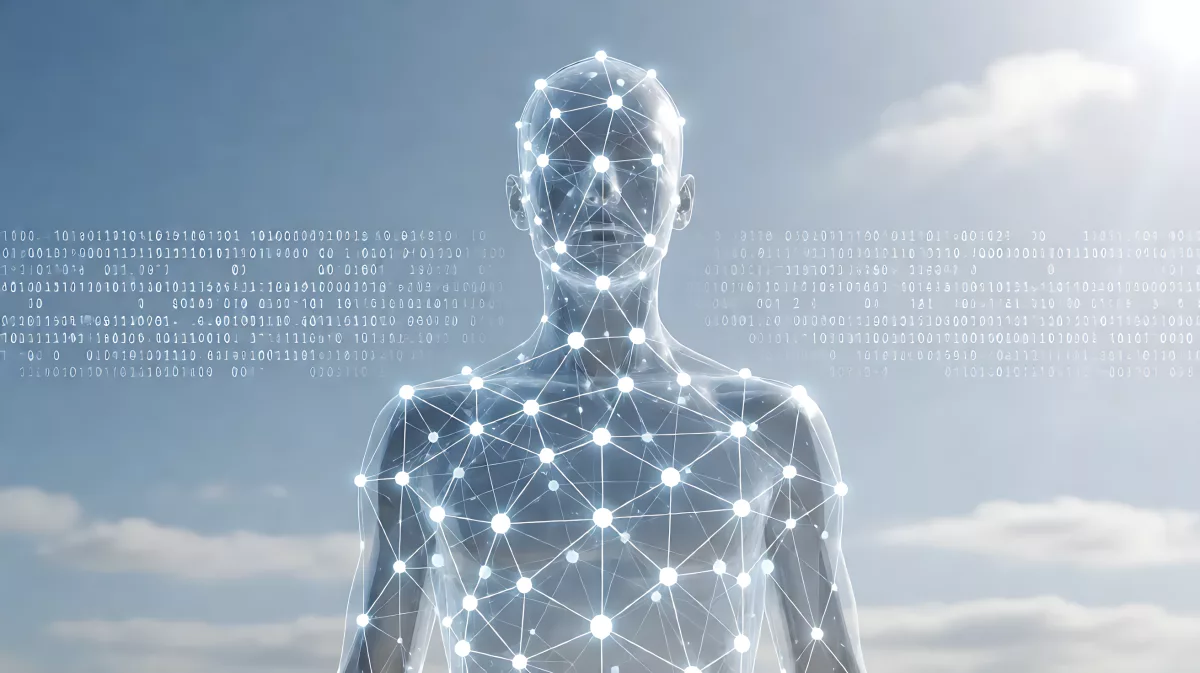
Technology is more than just gadgets; it is the systematic application of knowledge to solve problems. This article explores how digital tools, automation, and innovation are reshaping our world.
Technology is the application of conceptual knowledge to achieve practical goals in a reproducible way, encompassing tangible tools and intangible software that drives modern progress.
What is the core definition of technology today?
At its heart, technology is not just about hardware. It is the bridge between science and engineering, translating theoretical concepts into usable products. This includes everything from the stone tools of prehistory to the sophisticated artificial intelligence models powering search engines in 2026. The term originates from the Greek word teknē, meaning craft or art, but in the 19th century, European thinkers expanded the concept to include any method of doing things, whether it required tools or not. Today, this definition has evolved to focus on the systematic use of knowledge for practical purposes. Organizations like the Massachusetts Institute of Technology have historically helped shape this view, treating technology as a distinct academic and industrial field. For consumers in the US and UK, this means technology is embedded in every aspect of life, from how we heat our homes to how we manage our finances.
How does technology differ from science?
While science seeks to understand natural phenomena, technology applies that understanding to solve specific problems. Science is exploratory; technology is practical. For example, a scientist might study the properties of silicon, while a technology engineer uses that knowledge to create a microchip for a smartphone. This distinction is crucial for understanding why innovation moves so quickly. Reproducibility is key: a true technological solution must work consistently. If a method cannot be repeated with the same result, it remains an experiment rather than a technology. This reliability is what allows global industries to scale their operations and deliver products to millions of users.
How has technology shaped human history and society?
The trajectory of human development is inextricably linked to technological advancement. The earliest examples were simple, such as the control of fire, which the cooking hypothesis suggests contributed to the growth of the human brain and the development of language during the Ice Age. The invention of the wheel during the Bronze Age revolutionized travel and enabled the creation of more complex machinery. In more recent centuries, the printing press lowered barriers to communication, ushering in the knowledge economy. The telephone and the Internet further connected the globe, creating a digital society where information travels instantly. These shifts did not just change how we live; they fundamentally altered social structures, economic models, and political power dynamics.
What role do digital tools play in the modern knowledge economy?
In the current landscape, the knowledge economy is driven by data and software. Intangible assets like code, algorithms, and digital platforms are now worth more than physical factories. For UK and US readers, this shift means that professional identity is often tied to digital proficiency. The ability to leverage software for productivity, communication, and creative output is a standard expectation in most workplaces. Furthermore, the rise of mobile applications has made technology personal. As noted in advertising policy documents from major tech firms, users interact with these tools across devices, from smartphones to smart home hubs, creating a continuous loop of data that informs both personal preferences and commercial strategies.
What are the ethical and social challenges of rapid innovation?
While technology drives economic development and improves prosperity, it presents significant downsides. Environmental impact is a primary concern, with industrial processes contributing to pollution and resource depletion. Socially, automation is causing technological unemployment, where machines replace human labor in sectors ranging from manufacturing to customer service. This has sparked ongoing philosophical and political debates about the ethics of technology. How do we balance progress with stability? The World Economic Forum has highlighted the need for reskilling workers to navigate this transition. In 2026, these discussions are more urgent than ever, as artificial intelligence systems become capable of performing complex cognitive tasks previously reserved for humans.
How does automation affect employment in the US and UK?
Automation is reshaping the job market by eliminating routine tasks and creating new roles in technology maintenance and development. According to reports from the Department for Education in the UK and the US Department of Labor, the growth in tech-related jobs has outpaced growth in traditional manual roles. However, the transition is not seamless. Workers in manufacturing, logistics, and administration face displacement risks. Governments and corporations are increasingly partnering to fund retraining programs, recognizing that human capital is a critical resource in a tech-driven economy. The challenge lies in ensuring that the benefits of automation are distributed broadly, rather than concentrating wealth among those who own the technology.
How do users manage their digital footprint and privacy?
With the proliferation of digital services, privacy has become a major consumer concern. Tech giants like Google use cookies and tracking technologies to deliver relevant advertising, which funds much of the free web content we consume. These systems collect data on browsing habits, location, and device usage. Users in the US can manage their preferences through the aboutads.info choices page, while those in the EU can use Your Online Choices. However, even when cookies are disabled, other signals like IP addresses and search history can be used to infer user behavior. To protect their privacy, individuals should review their browser settings, use strong passwords, and understand which apps have access to their location and sensor data. It is a balancing act: we accept some tracking in exchange for convenience and free services, but we must remain vigilant.
What steps can individuals take to enhance digital security?
Basic hygiene goes a long way in the digital age. Enable two-factor authentication on all important accounts. Regularly update your software and operating systems to patch security vulnerabilities. Be cautious of phishing emails that mimic legitimate services. For those using smart home devices, it is wise to segment them onto a separate network or virtual local area network to limit their access to your main family computers. Additionally, review the privacy policies of the services you use. While they are often lengthy, skimming the sections on data retention and sharing can reveal how your information is handled. Some organizations, like the Federal Trade Commission in the US and the Information Commissioner’s Office in the UK, provide resources to help consumers understand their rights.
What does the future of technology hold for everyday consumers?
Emerging technologies such as advanced artificial intelligence, quantum computing, and biotechnology are on the horizon. These fields promise breakthroughs in healthcare, energy, and logistics. For instance, new renewable energy systems are becoming more efficient, potentially reducing the carbon footprint of the tech sector itself. The internet of things will continue to expand, connecting more devices in our homes and cities. However, with great power comes great responsibility. The ethical frameworks governing these technologies are still being written. Policy makers, ethicists, and engineers must work together to ensure that innovation serves the public good. Consumers should stay informed, participate in civic discussions about tech regulation, and make conscious choices about which products and services they support.
How can we balance innovation with social responsibility?
Balancing innovation with social responsibility requires a multi-stakeholder approach. Corporations must adopt ethical design principles, considering the societal impact of their products before launch. Governments should establish clear regulations that protect consumer rights without stifling creativity. Educational institutions need to teach digital literacy and ethical reasoning, preparing the next generation to be responsible users and creators of technology. As we move further into 2026 and beyond, the goal is not just to create new tools, but to build a sustainable, equitable, and safe digital society. The technology we choose to adopt and the values we attach to it will define the world we live in.
Frequently Asked Questions
Is technology always beneficial for the environment?
No, technology has complex environmental impacts. While it can improve energy efficiency and enable renewable systems, the production and disposal of electronic devices contribute to e-waste and pollution. Sustainable design and circular economy models are increasingly being adopted to mitigate these negative effects. The net impact depends on how technologies are developed, manufactured, and disposed of.
How does advertising technology track users without cookies?
Even without traditional cookies, advertisers can use IP addresses, browser fingerprints, and on-device identifiers to infer user behavior. For mobile apps, unique advertising identifiers link user activity across platforms. These methods allow for targeted ads, though they raise significant privacy concerns that regulators in the US and UK are actively addressing through data protection laws.
What is the difference between a manual and a digital control system in appliances?
Digital control systems offer precision, consistency, and energy efficiency through automated settings and sensors. Manual systems rely on user input and mechanical parts, which can be less precise but are often simpler and more durable for specific tasks. In modern baking, for example, digital ovens provide more stable temperatures, which is crucial for delicate pastries, whereas gas ovens may offer different humidity levels that some bakers prefer for bread.