Does Ultra-Processed Food Cause Dementia? 2026 Research Guide
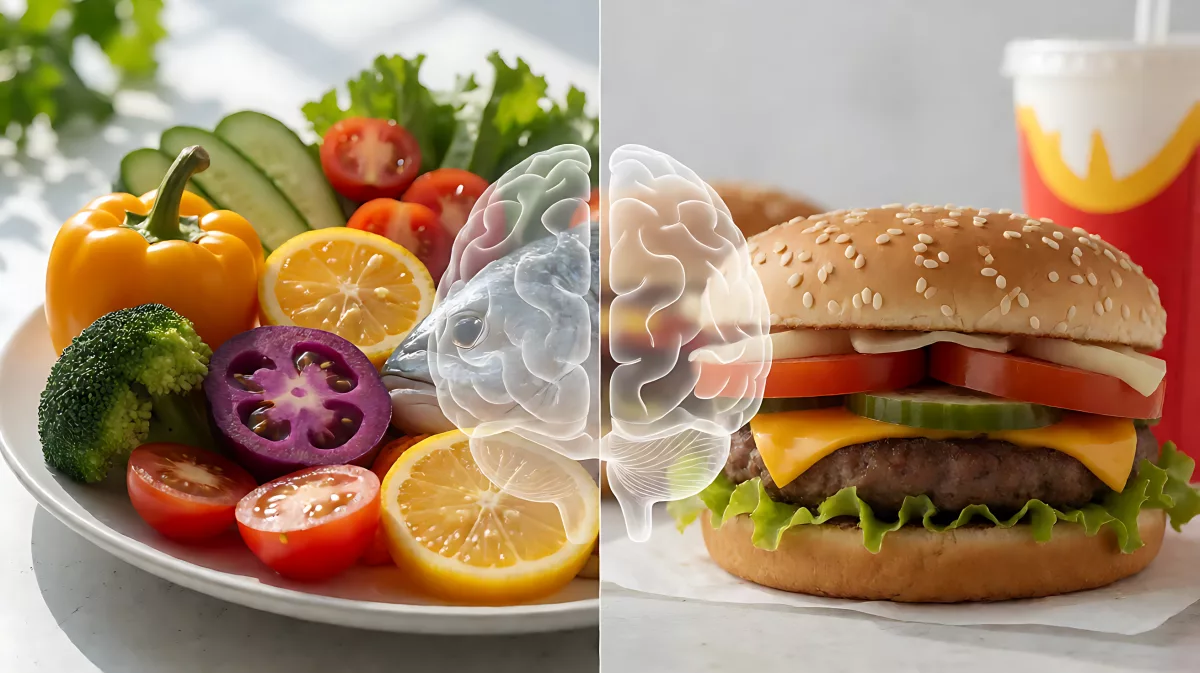
Recent studies indicate a direct link between high consumption of ultra-processed foods and an increased risk of dementia. This article breaks down the science, explores the impact on the brain, and offers practical advice for maintaining cognitive health in 2026.
Recent research confirms that diets heavy in ultra-processed foods are significantly linked to an increased risk of dementia, including Alzheimer’s disease. A major UK study involving over 700,000 participants found that high consumption of these items correlates with a higher likelihood of developing cognitive decline. Swapping just 10% of processed weight for whole foods may lower dementia risk by 19%, highlighting food as a powerful tool for brain health.
What Is the Connection Between Processed Food and Memory Loss?
Ultra-processed foods (UPFs) are industrial formulations that typically replace whole ingredients with additives, preservatives, sugars, and refined oils. These products often lack the fiber and essential nutrients that support a healthy brain. Instead, they promote chronic inflammation and oxidative stress, two key drivers of neural damage. In 2026, public health experts emphasize that the modern diet, which relies heavily on these convenient items, is a modifiable risk factor for neurodegeneration that many people underestimate.
The mechanism is not just about sugar. UPFs can alter the gut microbiota, which communicates directly with the brain via the gut-brain axis. Disruptions in this microbial ecosystem can lead to neuroinflammation. Furthermore, high intakes of processed foods are associated with obesity, hypertension, and type 2 diabetes. These chronic conditions restrict blood flow to the brain, increasing the risk of vascular dementia. Since the brain accounts for a significant portion of the body's energy use, any metabolic instability poses a direct threat to cognitive function.
What Does the Latest Research Say About Dementia Risk?
Scientific evidence published in leading journals has solidified the link between diet and brain health. A systematic review encompassing data from over 800,000 individuals across multiple continents confirmed that high intake of UPFs is associated with an elevated risk of all-cause dementia. The researchers noted that while moderate consumption did not show a significant effect, high consumption did. This suggests a dose-dependent relationship where excessive reliance on processed items begins to actively harm cognitive reserves.
Specifically regarding Alzheimer’s disease, a review of five cohort studies involving more than 617,000 people found that four of the studies demonstrated a clear risk association between UPF consumption and the development of the disease. The fifth study linked it specifically to cognitive decline rather than full dementia. In 2026, these findings are being integrated into newer clinical guidelines that encourage early dietary intervention. The consensus is moving toward the idea that preventive strategies must start long before symptoms appear, as the pathological changes in the brain often begin a decade or more before a diagnosis.
How Does Frontotemporal Dementia Differ From Alzheimer’s?
While Alzheimer’s is the most common form of dementia, it is not the only one. Frontotemporal dementia (FTD) is a distinct group of disorders that affect the frontal and temporal lobes of the brain. Unlike Alzheimer’s, which primarily impacts memory early on, FTD often presents with changes in personality, behavior, and speech. It is a common cause of young-onset dementia, typically affecting individuals between the ages of 45 and 64.
FTD includes several subtypes, such as behavioral variant FTD and primary progressive aphasia. Patients may exhibit apathy, disinhibition, or a loss of empathy before memory issues arise. This makes diagnosis difficult, as it is often mistaken for psychiatric conditions like depression or anxiety. Understanding this distinction is crucial for caregivers, as the care strategies and social support needed differ significantly from those required for Alzheimer’s. Approximately 60% of FTD cases are sporadic, meaning they occur without a known family history, though genetic factors like mutations in the C9orf72 gene can play a role in specific family clusters.
What Dietary Swaps Can Protect Your Brain in 2026?
Protecting cognitive health does not require drastic lifestyle overhauls. The goal is to displace UPFs with minimally processed, affordable, and nutrient-dense foods. Here are practical steps to take:
- Reintroduce Whole Grains: Replace white bread and pastries with oats, quinoa, and whole-wheat products. These provide fiber that slows glucose absorption and supports gut health.
- Choose Fresh Proteins: Opt for fresh or frozen vegetables, fruits, lean meats, and legumes over pre-packaged meals. Fresh ingredients retain more bioactive compounds that fight inflammation.
- Limit Added Sugars and Sweeteners: Be wary of artificial sweeteners like aspartame and sucralose, which are common in low-calorie UPFs. Some emerging science suggests these may have negative metabolic effects, so whole foods are the safer bet.
- Read Labels: If a product has five or more ingredients you cannot recognize or that are found in a chemistry lab rather than a grocery store, it is likely ultra-processed. Keep these to an occasional treat, not a daily staple.
Hydration is also vital. Dehydration can mimic early cognitive decline, so ensuring adequate water intake helps maintain optimal brain perfusion. Combining these dietary changes with regular physical activity, which improves blood flow to the brain, creates a robust defense against neurodegeneration.
How Can Caregivers Support Loved Ones With Dementia?
Caring for someone with dementia is challenging, but structured support makes a difference. Caregivers should focus on person-centered care, which respects the individual’s preferences and history. This approach is particularly effective for FTD, where symptoms are heterogeneous and vary widely from patient to patient. There are no approved disease-modifying cures yet, so management focuses on symptom control and quality of life.
Resources such as online caregiver forums and local support groups provide essential emotional and logistical assistance. These communities help families navigate the complex medical landscape and share practical tips for daily management. It is also important to recognize that while early diagnosis is crucial for planning, it does not mean the end of independent living. Many individuals can remain in their homes for years with the right support systems in place.
For those looking to assess the needs of a loved one, tools that evaluate mobility, hygiene, and medication management can help determine if in-home care or assisted living is appropriate. These assessments are not a substitute for professional medical advice but serve as a useful roadmap for families. Engaging with healthcare providers early ensures that legal, financial, and care plans are in place before the disease progresses to more severe stages.
Frequently Asked Questions
Can changing your diet reverse existing dementia?
No, diet cannot reverse damage that has already occurred in the brain. However, a healthy diet can slow the progression of symptoms, improve overall physical health, and potentially reduce the risk of developing the disease in the first place. Prevention is key, as the neurological changes often begin years before diagnosis.
Is frontotemporal dementia contagious?
No, frontotemporal dementia is not contagious. It is a neurodegenerative disorder, not an infection. While it can have a genetic component in some families, it cannot be passed from one person to another through contact. The majority of cases are sporadic, meaning they occur without a clear genetic inheritance pattern.
What are the first signs of cognitive decline?
Early signs vary by type. For Alzheimer’s, this often includes memory lapses and getting lost in familiar places. For FTD, the first signs are usually changes in personality, such as apathy, impulsivity, or social awkwardness, and difficulties with speech. If you notice persistent changes in behavior or memory that interfere with daily life, seek a professional neurological evaluation immediately.
Do artificial sweeteners in UPFs cause dementia?
Current research suggests that artificial sweeteners like aspartame and sucralose may contribute to metabolic dysfunction and gut microbiome alterations, which are risk factors for cognitive decline. However, there is no direct proof that they cause dementia on their own. They are part of the broader profile of ultra-processed foods that collectively increase risk. Replacing them with whole, natural foods is the recommended approach for brain health.
How much ultra-processed food is considered 'high' consumption?
Definitions vary, but a common threshold in recent studies is consuming more than 50% of daily calories from UPFs. In the United States, a significant portion of the population exceeds this level. To lower risk, experts recommend aiming to have less than 10% of your daily caloric intake come from highly processed items, prioritizing fresh, minimally processed foods instead.