Tracking Meds and Refills for Dementia: A Caregiver Guide
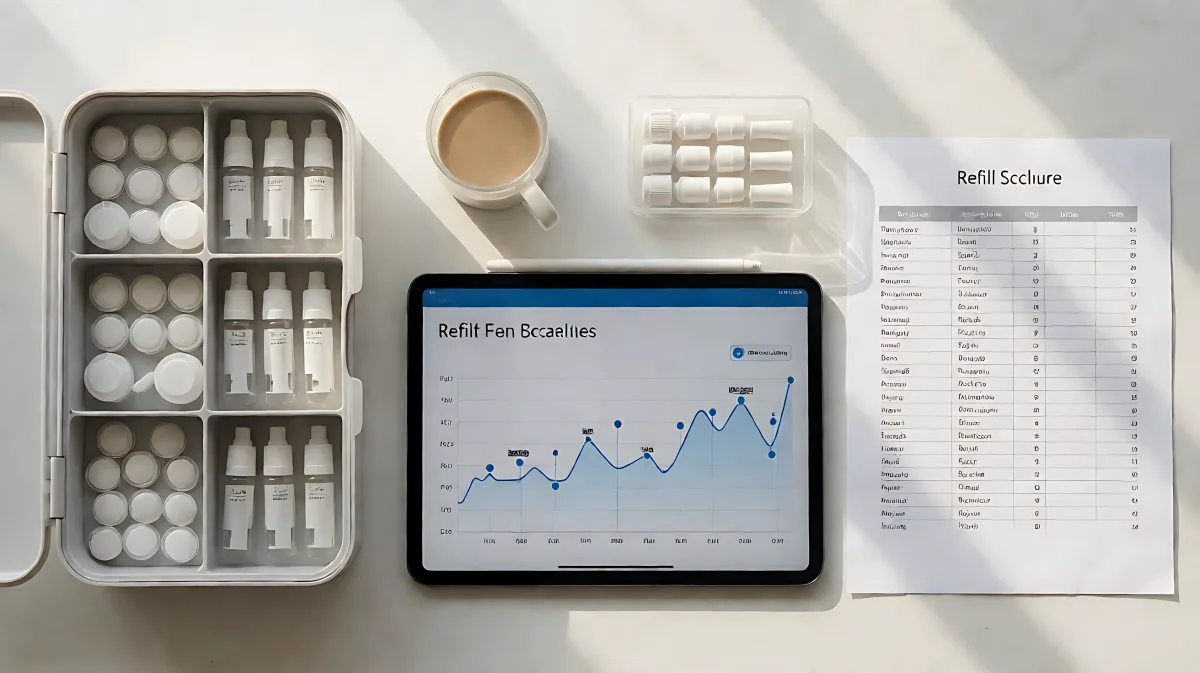
Managing dementia care requires precise tracking of medication effects and refill schedules. This guide provides practical methods to monitor behavioral changes, streamline pharmacy interactions, and ensure continuous therapeutic support.
Effective dementia care hinges on accurately tracking when medications are administered and how they influence behavior, alongside managing the logistical burden of pharmacy refills. By documenting dosage times against specific behavioral shifts, caregivers can identify patterns that signal dose adjustments or side effects. Simultaneously, using structured tools to monitor refill dates prevents dangerous gaps in therapy, ensuring a steady supply of essential drugs like cholinesterase inhibitors.
Why is tracking medication timing crucial for cognitive health?
Understanding the pharmacokinetics of dementia medications is vital because different drugs act on distinct timelines. For instance, donepezil reaches peak levels three to four hours after ingestion and has a half-life of approximately 70 hours, meaning it accumulates slowly in the body. In contrast, rivastigmine, taken twice daily, peaks within an hour, with effects appearing and fading much faster. This variation means that a patient’s agitation or confusion may correlate directly with the timing of a dose rather than the natural progression of the disease.
Many caregivers assume that mood changes are purely symptomatic of dementia, but in fact, they are often reversible side effects of medication interactions. A documented instance shows that pairing donepezil with sertraline can lead to early morning anxiety and night sweats as the antidepressant peaks in the bloodstream. Without a log linking these behaviors to specific times, physicians may misinterpret the symptoms as disease progression rather than a manageable drug interaction. Recognizing that 38% of observed medication side effects occur in the mid-window (2-4 hours post-dose) helps caregivers focus their observations on high-yield timeframes.
How can you create an effective medication and behavior log?
A practical tracking system does not require complex technology. A simple three-column notebook or spreadsheet works well: record the date and time of the dose, the medication name and strength, and a specific behavioral note in the following hours. Specificity is key; noting that a person became irritable at 2:15 p.m. is far more actionable to a doctor than saying they seemed grumpy. For caregivers managing multiple prescriptions, a dedicated tracker that includes columns for quantity supplied, last fill date, and estimated run-out date is essential. This allows you to calculate when the next refill is due before the supply runs out.
- Define Observation Windows: Focus on the 30-minute to 4-hour period post-dose, as this is when most immediate side effects manifest.
- Quantify Behavior: Use specific descriptors (e.g., 'slept 6 hours straight' instead of 'slept better') to provide clear data.
- Include Logistics: Add columns for pharmacy contact information and refill deadline dates to merge clinical and logistical tracking.
- Distinguish Causality: Note that sundowning, a circadian rhythm issue, can mimic medication side effects; your log helps separate these by showing if symptoms align strictly with dosing times or occur randomly.
What strategies streamline pharmacy refill processes?
Managing the supply chain for dementia medications is as critical as the clinical data. Modern pharmacy workflows utilize centralized electronic management to handle routine intake and status tracking. However, for caregivers, the focus remains on preventing gaps. Automated systems can remind caregivers of upcoming refills, but human oversight is required for exceptions, such as early refill requests or changes in prescriber instructions.
Medication synchronization is a highly effective strategy for reducing the cognitive load on caregivers. By coordinating fill dates for multiple prescriptions to align, you minimize pharmacy visits and ensure that all medications are available simultaneously. This is particularly beneficial for patients with complex regimens involving both dementia-specific drugs and supportive medications for sleep or anxiety. When using a printable tracker, enter the 'days supplied' for each script to calculate the exact run-out date. If the estimated refill date falls within 72 hours of the run-out date, initiate the refill request immediately to account for processing times.
How do digital tools and AI support care teams?
Advanced Primary Care Management (APCM) frameworks are increasingly used to support dementia patients through automated check-ins and remote monitoring. AI-powered systems can log the duration of clinical interactions to meet regulatory requirements, such as the 20-minute threshold for certain billing codes, while simultaneously prompting caregivers to report behavioral changes. These digital tools serve as a bridge between the home and the clinic, flagging anomalies for immediate clinical review.
However, technology should augment, not replace, human judgment. A shared digital sheet or app allows multiple caregivers—family members and facility staff—to input data in real-time. This solves the communication gap where important observations made by a day-shift nurse might not reach the doctor during a monthly visit. For legal and safety compliance, ensure that caregiver consent is documented according to HIPAA standards before enabling any data-sharing features in these platforms.
Frequently Asked Questions
How often should I review medication timing logs with a doctor?
Review logs monthly during regular appointments or immediately if you notice a significant shift in behavior. Bring the completed chart to every visit so the prescriber can adjust doses or switch medications based on concrete data rather than general impressions of the patient's state.
What is the best way to handle a missed dose during a routine?
Do not double up unless specifically instructed by a pharmacist. Instead, record the time the dose was taken when it was finally administered in your log. This new timestamp resets the observation window, allowing you to monitor for delayed side effects or breakthrough symptoms accurately.
Can smartwatches replace manual logging?
Smartwatches can timestamp medication intake reminders, but they cannot capture the qualitative behavioral nuances required for dementia care. They are best used as an alert system to prompt a caregiver to manually write down specific observations, ensuring the data remains contextual and actionable for the medical team.