Cognitive Pacing Blocks for Dementia Caregivers
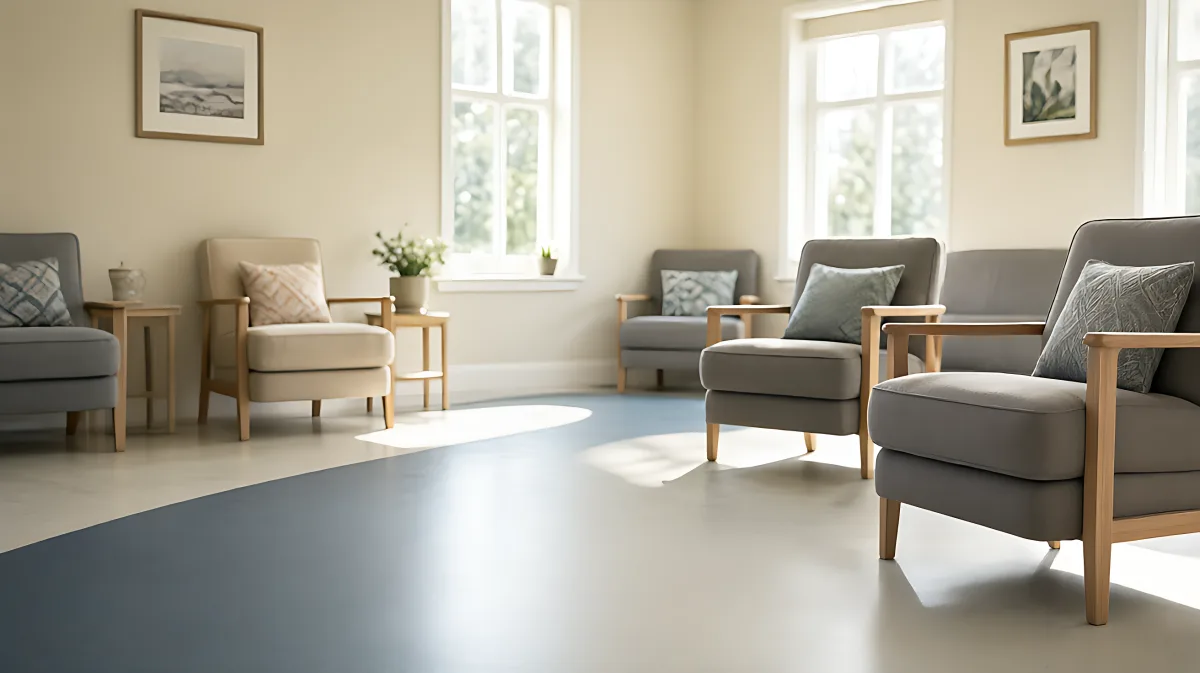
Pacing in dementia is often a signal of unmet needs, not defiance. This guide provides a practical framework for identifying triggers, creating safe environments, and using gentle redirection to support well-being.
When a person with dementia paces repeatedly, it often signals an unmet need rather than random wandering. To manage this, caregivers should use “cognitive pacing blocks”—structured intervals of safe activity, sensory input, and rest—to reduce agitation. Instead of forcing the person to sit still, the goal is to make the pacing path safe and engage the mind with short, familiar tasks. Research suggests that between 40% and 60% of people with moderate dementia exhibit repetitive motor activities like pacing. By identifying triggers and modifying the environment, caregivers can significantly lower the risk of falls and exhaustion while improving the individual's quality of life.
Why Does Pacing Happen?
Many families assume that pacing is simply a symptom of cognitive decline, but in fact, it is frequently a form of communication. The person may be experiencing anxiety, boredom, pain, or physical discomfort that they cannot articulate. According to the Alzheimer's Society UK, anxiety about neurological changes often adds to restlessness, which is particularly common in conditions like dementia with Lewy bodies. It is also important to distinguish between anxiety-driven pacing, which is accompanied by visible distress, and neurologically driven pacing, which may appear mechanical and rhythmic. Understanding the difference helps caregivers choose the right intervention, as calming strategies are far more effective for anxiety-driven behaviors.
How Do Sundowning and Environmental Factors Affect Pacing?
Pacing and wandering often intensify in the late afternoon and evening, a phenomenon known as sundowning. Roughly 20% to 45% of individuals with Alzheimer's disease experience this increase in confusion and agitation. This is linked to disruptions in the circadian rhythm and reduced lighting. Additionally, sensory overload from noise or clutter can trigger restlessness. A person with dementia may become agitated by loud sounds or a cluttered room, leading to a need for movement as a way to cope with the overwhelming environment.
How Do You Create a Safe Pacing Path?
Instead of trying to stop the pacing, the priority is to make it safe. The BrightFocus Foundation recommends creating clear indoor and outdoor paths to reduce the risk of falls. This involves removing tripping hazards such as loose rugs, clutter, and cords from walking routes. Good lighting is essential, particularly in hallways and during the evening hours, to help the person navigate their surroundings without disorientation. You should also secure the exits to prevent elopement, using high or low latches on doors and installing discreet alarms that alert caregivers if the person moves into a restricted area like the kitchen. Keeping shoes, coats, and keys out of sight near the entrance can also slow down the exit-seeking process.
- Remove throw rugs and clutter from all walking paths.
- Install high or low latches on exterior doors to delay exit-seeking.
- Use door alarms to receive immediate alerts when the person moves into unsafe zones.
- Ensure hallways and rooms are well-lit, especially in the evening.
- Keep personal items like keys and coats out of sight near doorways.
What Are Cognitive Pacing Blocks?
Cognitive pacing blocks are a time-management strategy that structures the day into cycles of activity and rest to prevent the buildup of agitation. This approach uses short, familiar tasks to engage the brain and expend physical energy in a controlled way. Rather than allowing hours of continuous pacing, caregivers introduce “blocks” of gentle physical activity, such as a 15-minute walk or chair exercises, followed by a period of sensory engagement, like listening to music or sorting household items. This method helps reduce the excess energy that leads to restlessness. For example, a late-afternoon walk combined with a warm footbath can reduce restless episodes by addressing the underlying agitation before it peaks. The key is to keep the tasks simple and aligned with the person's past habits and interests.
How Do You Redirect Pacing Gently?
When pacing becomes disruptive, gentle redirection is more effective than confrontation. Walk alongside the person, hold their hand if they are comfortable, and offer a short, engaging activity. Helpful redirections include looking at a photo album, listening to a favorite song, or completing a simple chore like folding a towel. These tasks do not require new learning, which is crucial for individuals with dementia. If the person becomes anxious, pause the activity, lower the noise and lighting, and offer a drink or a bathroom break before trying again.
What Common Mistakes Should You Avoid?
Many caregivers make the mistake of arguing or correcting the person during a pacing episode, which often increases agitation and distress. Instead, maintain a calm demeanor and speak in a soft, reassuring tone. Another common error is failing to check for physical discomfort. A sudden increase in pacing could be caused by a urinary tract infection, constipation, or ill-fitting shoes. Before assuming the behavior is solely due to dementia, review basic needs such as hunger, thirst, pain, and sleep. Using tools like the PAINAD (Pain Assessment in Advanced Dementia) scale can help identify non-verbal signs of pain that might be driving the restlessness.
When Should You Seek Medical Advice?
If pacing leads to frequent falls, significant weight loss, or severe exhaustion, it is important to consult a healthcare professional. They can assess for underlying medical conditions, review medications for side effects that may cause restlessness, or recommend physical therapy. Some medications, such as certain antidepressants or decongestants, can cause a type of restlessness known as akathisia, which mimics dementia-related pacing but requires a different solution.
FAQ
What is a cognitive pacing block?
A cognitive pacing block is a structured period of time that combines safe physical activity with mental engagement to reduce restlessness in dementia care. It helps manage energy levels and prevents the escalation of agitation.
How often should I use pacing blocks during the day?
There is no one-size-fits-all schedule, but a common approach is to introduce a block every 2 to 3 hours. This might include a 15-minute walk or stretching session, followed by a calm sensory activity. Consistency is key, as predictable routines reduce anxiety.
Can I use fidget tools to help with pacing?
Yes. Fidget tools such as textured blankets, stress balls, or busy boards provide tactile stimulation that can help calm the hands and reduce repetitive movements. These tools are especially useful during periods of boredom or mild anxiety.
What if the person is searching for a specific place or person?
Validate their feelings by acknowledging that they are looking for something important. Instead of correcting them, offer to help with a similar, attainable goal, such as a short walk outside or a call to a family member. This approach reduces frustration and redirects the energy.