Treating Dry Eyes for Contact Lens Wearers
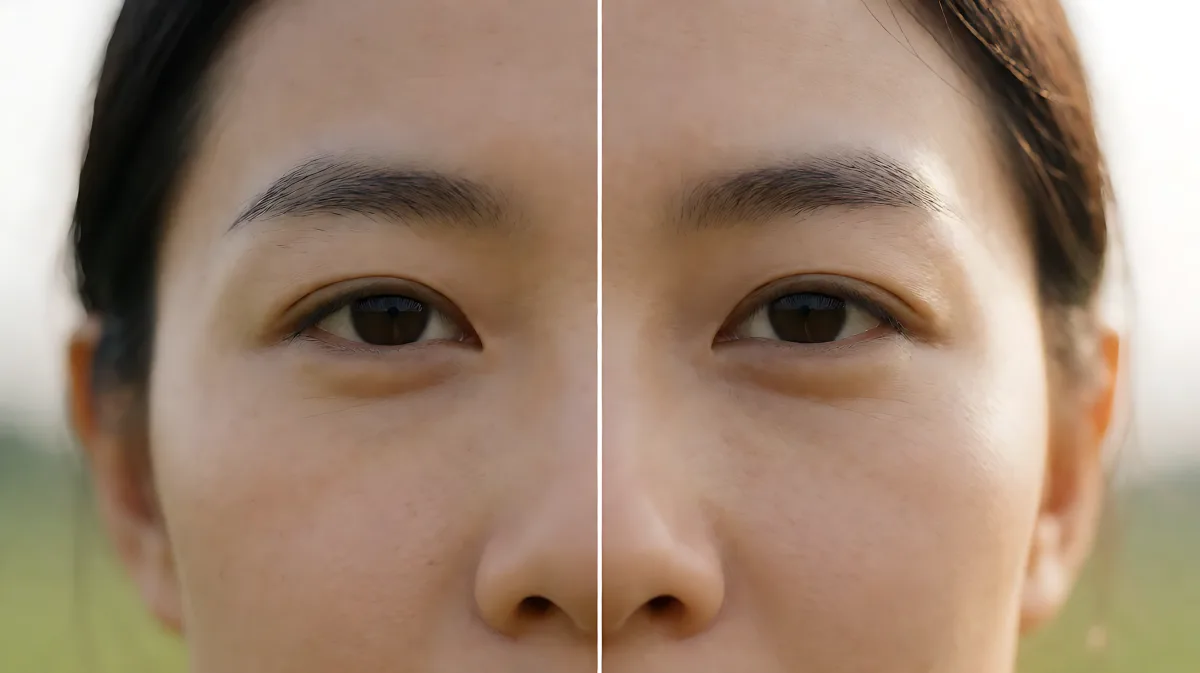
Struggling with gritty, red eyes after removing your contact lenses? You are not alone. Learn how to identify contact-lens related dry eye and practical steps to find lasting relief.
Many contact lens wearers assume that dryness is just a normal side effect of wearing lenses, but in fact, persistent dry eye is a significant clinical concern that requires specific treatment. The American Optometric Association (AOA) recommends that users seek professional evaluation if discomfort persists, as unmanaged dry eye can damage the cornea. Effective treatment combines moisture-rich lens materials, artificial tears, and lifestyle adjustments to restore ocular surface health.
Why Contact Lenses Make Dry Eye Worse
Contact lenses act as a physical barrier between the environment and your eyes, which can disrupt the delicate balance of your natural tear film. As noted by vision specialists at Specialty Vision, lenses can reduce oxygen supply to the cornea and absorb moisture, leading to irritation. This is particularly common among older adults, where tear production naturally declines with age, a condition known as presbyopia-related dry eye. The cornea may also become less sensitive over time, meaning you might not notice early signs of discomfort as quickly as you did in your younger years.
What Are the Signs That Your Lenses Are Causing Dry Eye?
It is crucial to distinguish between mild dryness and true dry eye syndrome. The AOA highlights that contact lens-related dry eye often presents with redness, a gritty sensation, and blurred vision that fluctuates throughout the day. If you find yourself taking lenses out frequently to get relief, this is a strong indicator that your current lens material or care system is not compatible with your tear film stability. Ignoring these symptoms can lead to more serious complications, including corneal abrasions or increased risk of infection.
Which Symptoms Should Trigger a Doctor's Visit?
You should schedule an eye exam if you experience persistent burning, stinging, or light sensitivity that does not improve with artificial tears. According to InfoAging, sudden severe pain or discharge are signs of urgent care needs. Furthermore, if you have underlying conditions like diabetes or meibomian gland dysfunction, these can worsen dry eye and complicate lens fit, requiring a tailored approach from your eye care professional.
What Are the Best Treatments for Contact Lens-Related Dry Eye?
Managing dry eye while wearing contacts requires a multi-faceted strategy that addresses both the lens and the environment. The AOA outlines several key interventions that can significantly improve comfort and ocular surface health.
- Switch to Daily Disposables: These lenses eliminate the need for cleaning and storing, reducing debris buildup that irritates the eye. They are often made from newer, moisture-retaining silicone hydrogel materials that maintain hydration better than traditional lenses.
- Preservative-Free Artificial Tears: Use lubricating eye drops as directed by your specialist to supplement natural tear production. Preservative-free options are generally safer for frequent use with contact lenses.
- Lid Hygiene and Warm Compresses: Specialty Vision notes that treating meibomian gland dysfunction with daily warm compresses and lid hygiene can improve tear quality and stability, making lenses more comfortable.
- Environmental Adjustments: Use a humidifier in dry environments and take regular screen breaks to blink more consciously, which helps redistribute the tear film over the lens.
How Do Different Lens Materials Impact Dry Eye?
Not all contact lenses are created equal when it comes to comfort. Soft lenses are usually made from silicone hydrogel, which delivers high oxygen transmission, but rigid gas-permeable (RGP) lenses offer better tear exchange and optical clarity. For those with moderate to severe dry eye, scleral lenses are an advanced option. These large-diameter lenses vault the cornea and hold a reservoir of sterile saline, protecting the ocular surface and providing consistent hydration throughout the day. The AOA emphasizes that the choice of material must be based on a comprehensive eye exam that evaluates your specific tear film status and corneal health.
Can Nutrition Play a Role in Treating Dry Eye?
Emerging research suggests that systemic health impacts ocular surface stability. InfoAging points out that diets rich in omega-3 fatty acids, vitamin D, and antioxidants like lutein and zeaxanthin can help reduce systemic inflammation and oxidative stress, both of which contribute to dry eye symptoms. Working with a functional nutritionist alongside your optometrist may enhance the effectiveness of your dry eye treatment plan.
What Common Mistakes Should You Avoid?
Many lens wearers assume that wearing their lenses for longer periods will allow their eyes to "adjust," but in fact, extended wear without adequate hydration often exacerbates dryness and increases infection risk. It is also a common misconception that all dry eye is caused by insufficient tear production; often, the issue is tear quality or rapid evaporation due to environmental factors. Always follow the recommended wearing schedule prescribed by your eye care professional.
- Over-wearing lenses: Stick to the daily limit set by your optometrist, especially in dry or dusty environments.
- Poor hygiene: Always wash your hands before handling lenses and replace case solutions regularly to prevent bacterial buildup.
- Ignoring medication side effects: Many common drugs like antihistamines, decongestants, and some antidepressants can reduce tear production. Discuss these with your doctor to find compatible treatments.
When Should You Temporarily Stop Wearing Lenses?
If your eyes are significantly irritated, red, or painful, it is advisable to pause lens wear until the symptoms subside. The AOA recommends that users switch to glasses for high-detail tasks or driving if their vision is compromised by dryness. Your eye specialist can provide a trial period for new lens types, such as monovision or multifocal designs, to see if they offer better comfort without sacrificing visual acuity.
Frequently Asked Questions
Can contact lenses permanently damage my eyes from dryness?
No, contact lenses do not usually cause permanent dry eye, but improper use or neglecting symptoms can lead to corneal damage or infections. With proper care and treatment, most cases of dry eye are manageable and reversible.
Are daily disposable lenses better for dry eye?
Yes, daily disposables are often recommended because they provide fresh, hydrated lenses each day and eliminate the need for cleaning, which reduces irritation from debris and protein buildup.
How often should I use eye drops with my contacts?
The frequency depends on the severity of your dryness, but most specialists recommend using preservative-free artificial tears as needed for comfort. Always follow the specific guidance provided by your eye care professional.
Do scleral lenses work for all types of dry eye?
Scleral lenses are highly effective for moderate to severe dry eye and irregular corneas, but they are not a one-size-fits-all solution. Your optometrist will determine if this specialized option is appropriate for your specific ocular health profile.