Best Tinnitus Masking Strategies and Sound Therapy Tips
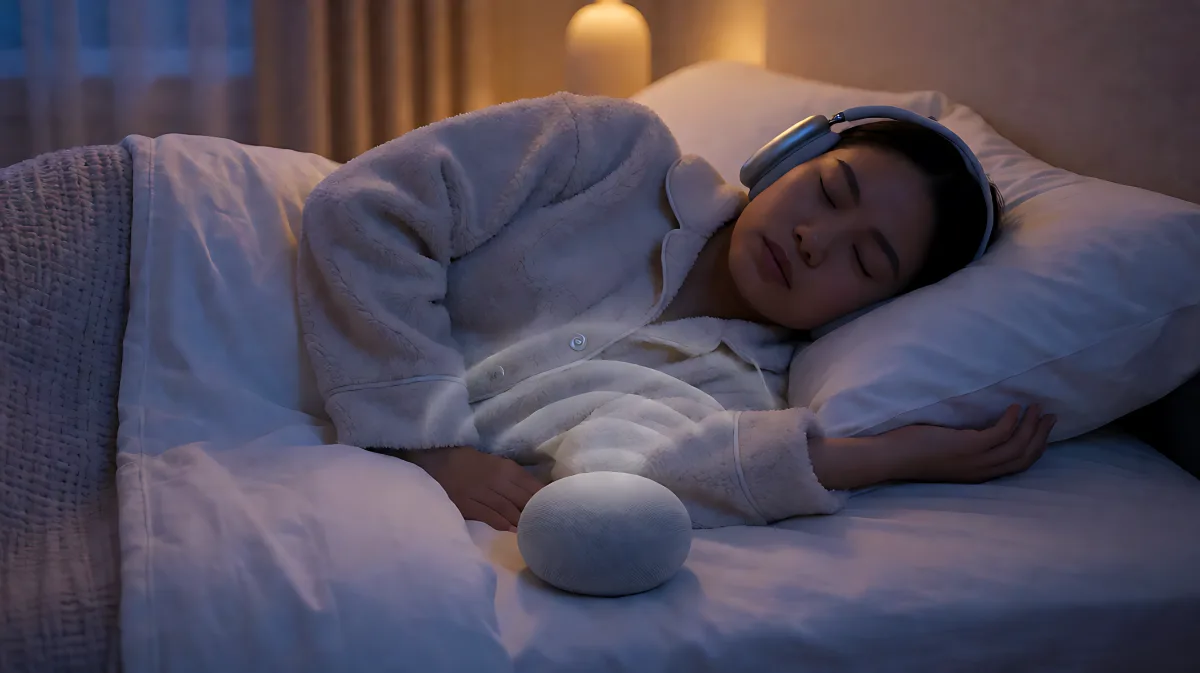
Struggling with constant ringing? Explore practical tinnitus masking strategies, from white noise to tailored sound therapy, to find relief and improve your daily comfort.
Effective tinnitus masking strategies involve introducing external sound to mask the internal ringing, reducing the perceived intensity of the noise. By using white noise, pink noise, or personalized sound therapy, individuals can distract the brain from focusing on the tinnitus signal. This method helps improve sleep quality and reduce stress without addressing the root cause of the hearing loss directly.
How Does Sound Masking Work for Tinnitus?
When the environment is completely silent, the brain's auditory system amplifies internal signals, making tinnitus seem louder. This phenomenon is known as auditory deprivation. Masking strategies counteract this by providing a consistent external sound input. According to recent neurobiological research, this input helps regulate the brain's gain control. By occupying the auditory pathways with neutral sounds, the brain shifts its focus away from the phantom noises, thereby reducing the emotional distress associated with the condition.
What Are the Best Types of Noise for Masking?
Not all sounds are equally effective. White noise, which contains all frequencies at equal intensity, is often too harsh for some users. Pink noise, which mimics natural sounds like rain or waterfalls, is generally perceived as softer and more soothing. Brown noise, with its deeper, rumbling quality, can be particularly effective for high-pitched tinnitus. Personal preference plays a significant role in success, so experimenting with different tones is essential for finding the right match.
What Are Practical Masking Strategies for Daily Life?
Implementing masking strategies requires consistency. Here are three practical approaches you can start using today:
- Bedtime Soundscapes: Use a sound machine or a smartphone app to play soft background noise throughout the night. This prevents the silence from highlighting the tinnitus when you first fall asleep.
- Portable Masking Devices: Carry a small, white-noise generator or use high-quality headphones with noise-canceling features. A 1988 study published in the Journal of Laryngology and Otology highlighted that portable stereo systems are effective and economical alternatives to traditional clinical maskers.
- Environmental Enrichment: Avoid completely quiet rooms during the day. Use soft music, a fan, or ambient room noise to keep the auditory system engaged without requiring intense focus.
How Should You Set the Volume for Optimal Relief?
The goal is not to drown out the tinnitus completely, but to make it less noticeable. Set the masking sound to a level that is slightly lower than or equal to the tinnitus pitch. If the noise is too loud, it may cause fatigue. The objective is to create a "floor" of sound that the tinnitus rises above but does not dominate, allowing the brain to habituate to the presence of the noise over time.
How Can Physical Therapies Complement Masking?
While sound masking addresses the auditory perception, physical factors can influence tinnitus intensity. Research indicates that a significant percentage of tinnitus sufferers also have craniomandibular dysfunction (CMD) or cervical issues. For instance, studies suggest that up to 59% of tinnitus patients show symptoms of jaw misalignment. Treating these underlying physical causes through physiotherapy can reduce somatic triggers, making masking strategies more effective by lowering the baseline neural activity.
What Role Does Stress Play in Tinnitus Perception?
Stress acts as an amplifier. When the body is in a state of high alert, the brain prioritizes sensory input, often interpreting tinnitus as a threat. Incorporating relaxation techniques such as meditation or deep breathing can lower the sympathetic nervous system's arousal. This reduction in stress helps the brain transition from a state of reactive fear to one of neutral acceptance, which is crucial for long-term management.
When Should You See a Specialist?
If you experience tinnitus in only one ear, pulsatile tinnitus (hearing your heartbeat), or if the noise is accompanied by dizziness or hearing loss, consult a healthcare provider immediately. These symptoms may indicate an underlying medical condition that requires specific diagnosis. For most people with subjective tinnitus, a combination of sound therapy and lifestyle adjustments offers the best path to relief.
Frequently Asked Questions
Does white noise actually stop tinnitus?
White noise does not stop tinnitus but masks it. It provides a consistent auditory background that distracts the brain, making the internal ringing less prominent and easier to ignore during sleep or quiet moments.
How long does it take for masking to work?
Immediate relief is possible for reducing perceived loudness. However, for the brain to fully habituate and stop reacting negatively to the tinnitus, consistent use over several weeks to months is often required. Results vary by individual.
Are portable maskers safe to use all day?
Yes, using low-volume white or pink noise via earbuds or headphones is generally safe. Avoid high volumes to prevent additional hearing strain. It is best to use these devices in quiet environments where the tinnitus is most bothersome.
Can jaw pain cause tinnitus?
Yes. Tension in the jaw muscles and teeth grinding can send somatic signals to the auditory brainstem, which may be perceived as ringing or buzzing. Physical therapy focused on the jaw and neck can help reduce these triggers.