Tinnitus and Cognitive Decline: What You Need to Know
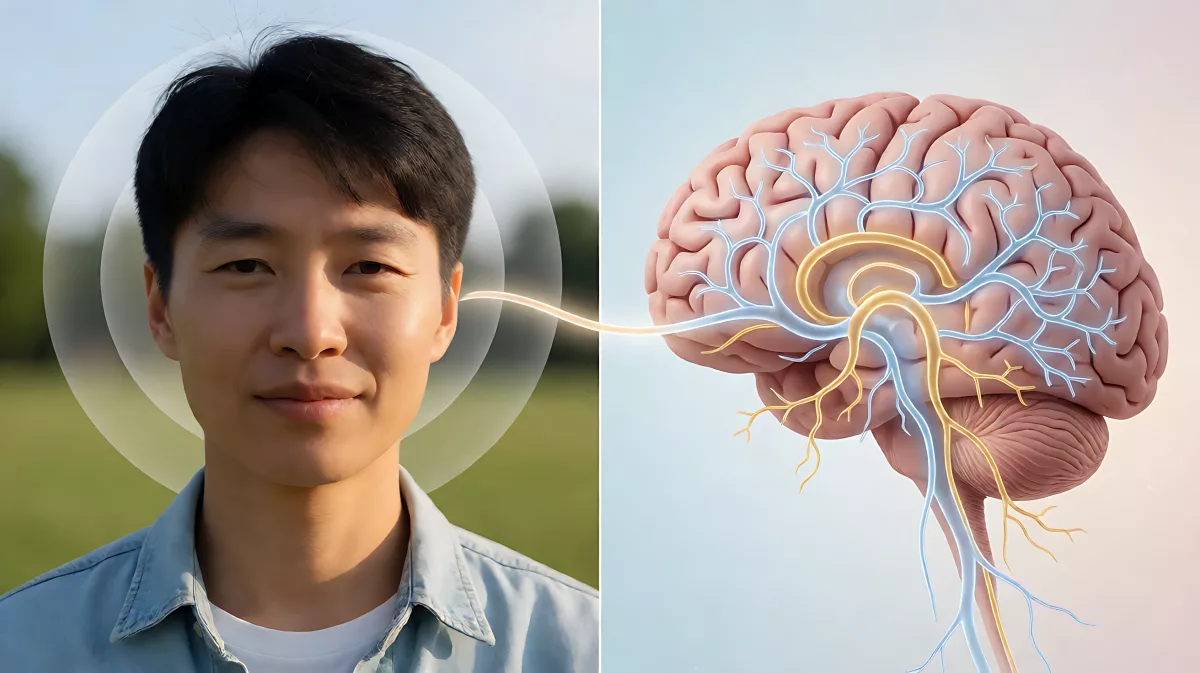
New research suggests a strong link between tinnitus and cognitive decline. Learn how chronic ear ringing can affect memory and attention, and strategies to protect your brain health.
Tinnitus, the perception of sound without an external source, is not just an auditory nuisance; recent longitudinal studies suggest it may be a significant indicator of cognitive decline. As research expands on the relationship between hearing health and brain function, individuals with chronic tinnitus are now being viewed as a high-risk group for conditions like dementia. Understanding this connection is critical for anyone experiencing persistent ringing, as it may signal the need for early cognitive interventions to preserve mental acuity and quality of life.
Why tinnitus may be linked to cognitive decline
For decades, tinnitus was treated primarily as a localized issue within the ear. However, the Global Brain Health Institute has launched pilot projects to investigate whether the presence of tinnitus actually causes a decrease in cognitive status or serves as a precursor to dementia. The hypothesis is based on the overlapping symptoms found in both tinnitus patients and those with cognitive impairments. These shared issues include a lack of attention, poor sleep quality, depression, and anxiety. Because these factors are known to accelerate cognitive decline, researchers are now studying if the chronic stress and sleep disruption caused by tinnitus contribute to a higher risk of developing dementia.
What the latest longitudinal data shows
Current studies are analyzing data from two major population cohorts: the Health, Ageing and Retirement in Thailand (HART) and The Irish Longitudinal Study on Ageing (TILDA). These datasets track thousands of participants over several years, allowing researchers to measure tinnitus prevalence alongside cognitive status, hearing loss, and mental health markers. Preliminary findings indicate that tinnitus is highly prevalent among adults over 65, with some estimates suggesting it affects up to 35% of this demographic. The data shows a significant correlation between those reporting tinnitus and those showing early signs of cognitive impairment. This does not necessarily mean tinnitus causes dementia, but it highlights a shared underlying neurological vulnerability that requires holistic care.
How the brain processes phantom sounds
The perception of tinnitus is not limited to the ear; it involves complex processing in the auditory cortex and other brain regions. When the auditory system is deprived of certain inputs, often due to hearing loss, the brain may become more sensitive to neural signals, interpreting them as sound. This phenomenon is sometimes referred to as phantom hearing. The German medical classification system identifies tinnitus under specific codes, noting that it can be subjective (perceived only by the patient) or objective (audible to others in rare vascular cases). The constant intrusion of these sounds can lead to a state of hyperarousal, where the brain remains in a defensive mode, potentially diverting cognitive resources away from memory and attention tasks.
Does tinnitus directly cause memory loss?
Researchers are cautious about establishing a direct causal link. Instead, they emphasize that tinnitus often co-occurs with hearing loss, which is a known risk factor for cognitive decline. The Global Brain Health Institute aims to determine if tinnitus is an independent risk factor by controlling for other variables like sleep deprivation and anxiety. If tinnitus is indeed a primary driver, it would represent a crucial target for prevention strategies, as it is a more common condition than dementia itself.
The role of sleep and mental health in the tinnitus-cognition loop
Sleep disturbance is one of the most cited factors linking tinnitus to cognitive issues. The inability to find silence and rest due to persistent ringing leads to chronic fatigue, which in turn impairs the brain's ability to consolidate memory and process information. Furthermore, the emotional toll of tinnitus—often manifesting as anxiety and depression—creates a feedback loop that worsens both the perception of the sound and cognitive function. The RNID, the UK’s national hearing loss charity, supports over 18 million people in the UK with hearing loss or tinnitus, emphasizing that mental health support is just as important as auditory therapy in managing the condition.
What are the severity levels of tinnitus?
Medical professionals often classify tinnitus into grades to assess its impact. The most severe forms, often referred to as decompensated tinnitus, significantly affect quality of life, work performance, and emotional stability. At this stage, the cognitive burden is heaviest, as the patient must constantly exert effort to mask the sound and manage associated distress. Early intervention is key to preventing the condition from progressing to this level of impairment.
Therapies that target both hearing and brain health
Managing the cognitive link requires a multi-disciplinary approach. Cognitive Behavioral Therapy (CBT) has been shown to reduce the emotional impact of tinnitus, thereby alleviating the stress load on the brain. Tinnitus retraining therapy aims to help the brain habituate to the sound, reducing its salience. Additionally, addressing underlying hearing loss with hearing aids or cochlear implants can reduce the intensity of tinnitus by providing the brain with natural sound input. The Global Brain Health Institute advocates for a holistic brain health approach, which includes maintaining a healthy diet, regular exercise, and recreational activities that stimulate cognitive function.
Are there specific diets that help?
While no specific diet cures tinnitus, the holistic brain health model promotes anti-inflammatory diets that support neurological health. Reducing caffeine and alcohol intake can also help, as these substances may worsen the perception of tinnitus for some individuals. Staying hydrated and managing blood pressure are also recommended, as vascular health is closely linked to both hearing and brain function.
Practical steps to protect your cognitive function
If you are living with tinnitus, taking proactive steps to protect your cognitive health is essential. Regular hearing checks can identify underlying loss that may be contributing to the condition. Engaging in mental exercises, such as puzzles or learning new skills, can build cognitive reserve. It is also important to seek support from organizations like the RNID, which provide resources and community for those affected by hearing loss and tinnitus. By treating tinnitus not just as a sound but as a signal to care for your overall brain health, you can improve your quality of life and potentially mitigate the risk of cognitive decline.
When should you see a doctor?
You should seek medical advice if your tinnitus is sudden, unilateral, or accompanied by dizziness, headaches, or significant changes in your hearing or memory. These symptoms could indicate an underlying neurological or vascular issue that requires prompt treatment.
Frequently Asked Questions
Does having tinnitus increase my risk of dementia?
Research is ongoing, but a strong correlation exists. Tinnitus shares many risk factors with dementia, such as hearing loss, sleep issues, and social isolation. While it is not yet proven that tinnitus directly causes dementia, individuals with tinnitus are at a higher risk and should monitor their cognitive health closely.
Can treating tinnitus improve my memory?
Treating the root cause of tinnitus, such as hearing loss, and managing its emotional impact through therapy can reduce cognitive load. By improving sleep and reducing stress, you may notice improvements in attention and memory retention.
What is the most common age for tinnitus to develop?
While tinnitus can occur at any age, it becomes significantly more common in older adults. Estimates suggest that around 35% of people over 65 experience some form of tinnitus, often linked to age-related hearing loss.
Is tinnitus always a sign of a serious problem?
No, many people experience mild, temporary tinnitus that does not affect their daily lives. However, persistent or severe tinnitus should be evaluated by a healthcare professional to rule out underlying conditions and to prevent potential cognitive and mental health impacts.