Understanding Tactile Vibration Feedback: Haptics Explained
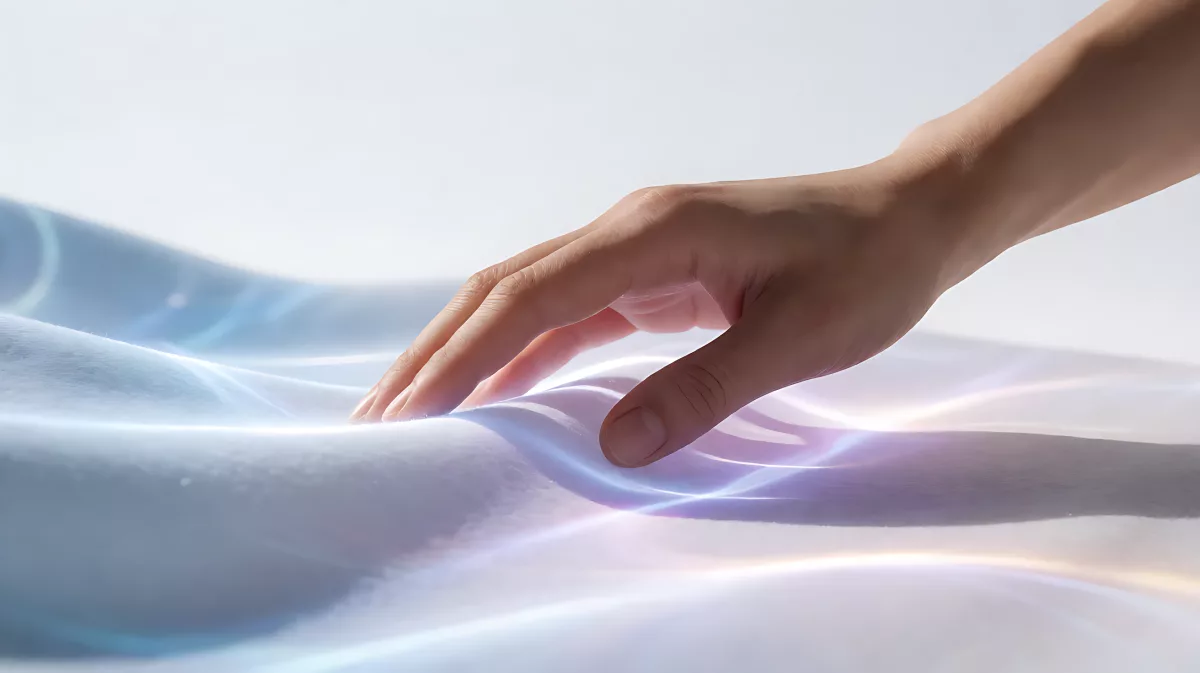
Tactile feedback is no longer just a buzz in your pocket. It is a sophisticated technology used in therapy, virtual reality, and human-computer interaction to convey information through touch.
Tactile vibration feedback is the technology that uses physical vibrations and pressure to convey information, emotion, or confirmation to a user through their sense of touch. In 2026, this field has moved far beyond simple phone ringtones. It now powers therapeutic tools for trauma recovery, immersive virtual reality suits that let you feel digital wind, and advanced fabric displays that simulate the roughness of materials you are not physically touching. This shift makes haptics a critical component of human-computer interaction, enhancing immersion and accessibility without requiring the user to wear bulky hardware.
How Haptic Technology Enhances Human Interaction
Traditionally, haptic feedback was seen as a feature for gaming controllers or smartphones. However, recent research from institutions like Kyung Hee University in South Korea has expanded its application to personal computing environments. Researchers developed a vibrotactile wrist rest that integrates standard vibration motors into a familiar ergonomic accessory. This device allows users to receive tactile notifications or texture feedback without modifying their keyboard or mouse. By embedding actuators like the TacHammer Drake motor into a 3D-printed wrist rest, users reported higher preference for the device compared to standard non-haptic rests. The technology provides a non-intrusive layer of information, allowing a computer to signal urgency or convey texture data while the user works.
What Role Do Vibration Motors Play in Therapy?
In mental health treatment, particularly for Eye Movement Desensitization and Reprocessing (EMDR), tactile feedback is a core component of the therapy process. EMDR relies on bilateral stimulation to help the brain process traumatic memories. While many therapists use hand clapping or tapping, remote tactile buzzers offer a more discreet and consistent alternative. These devices use miniature vibration motors, such as the NFP-P0615 model with a 6mm diameter, to deliver gentle, alternating vibrations to the client's hands. The small size ensures comfort during long sessions, and the low power consumption allows for continuous use without frequent battery changes. These motors are engineered for quiet operation, maintaining a serene therapeutic environment while providing the precise stimulation needed to engage both hemispheres of the brain.
Can Fabric Be Used to Display Tactile Sensations?
One of the most innovative frontiers in haptics is the use of conductive fabrics to simulate different textures. Researchers at the Rekimoto Lab developed a system called the Pinching Tactile Display, which uses electrostatic forces to change how a cloth feels to the user. By adjusting voltage and frequency, the fabric can feel rougher or smoother, mimicking the sensation of rubbing different materials. In user studies, participants perceived a change in roughness on a scale comparable to the difference between fine textile variations. This technology allows for end-to-end transmission of vibration signals recorded from real fabrics, opening doors for virtual fashion shopping and immersive VR where users can touch digital clothing. The system works by manipulating electrostatic adsorption between the conductive fabric and the user's finger, creating a dynamic tactile sensation without moving parts.
How Are Haptic Vests Used in Virtual Reality?
For virtual reality enthusiasts, haptic vests like the Bhaptics TactSuit provide a full-body sensory experience. These devices use arrays of small vibration motors to convert audio cues into tactile sensations. When a virtual explosion occurs, the corresponding motors vibrate to simulate the physical impact. The suits typically feature 16 or more feedback points, allowing for localized sensations that match in-game events. The motors are designed for high performance and energy efficiency, ensuring that the user can experience hours of gameplay without recharging. This level of immersion is particularly effective in action games and competitive sports simulations, where physical feedback enhances reaction times and emotional engagement.
What Are the Technical Specifications of Modern Haptic Motors?
The effectiveness of haptic systems depends heavily on the specifications of the underlying vibration motors. Modern miniature motors are optimized for low power and high precision. For example, the NFP-SP6C-0610 model used in wearable devices operates at a rated voltage of 3.0V DC and achieves a load speed of 11,000 RPM with an amplitude of 1.8G. These small motors are capable of generating distinct haptic patterns that can be individually controlled by software. In contrast, larger motors used in stationary devices might have amplitudes of up to 2.85G, allowing for stronger tactile signals. The choice of motor depends on the application: therapy buzzers require gentle, consistent vibrations, while VR vests need rapid, varied intensity to simulate dynamic events.
Why Is Tactile Feedback Important for Accessibility?
Tactile vibration feedback is crucial for users with visual or auditory impairments. For individuals who are deaf or hard of hearing, vibration alerts on phones or wristwear provide essential notifications that visual or audio cues cannot. Similarly, for blind users, haptic interfaces allow them to interact with digital environments by feeling boundaries, textures, and alerts. The technology also benefits users in noisy environments where auditory feedback is ineffective. By providing information through touch, haptic systems ensure that critical data is accessible regardless of sensory limitations. As the technology becomes more refined, it will likely become a standard feature in consumer devices, enhancing usability for a wider population.
FAQ
What is the difference between haptic feedback and vibration?
Haptic feedback is the broader technology that includes vibration, pressure, and force to simulate touch. Vibration is just one type of haptic feedback. Haptic systems can also use electrostatics, as seen in the Pinching Tactile Display, to create sensations that mimic texture without mechanical movement.
Can haptic technology be used for physical therapy?
Yes, haptic technology is increasingly used in rehabilitation and mental health therapy. In EMDR, it facilitates trauma processing through bilateral stimulation. In physical therapy, haptic gloves and suits can guide patients through range-of-motion exercises by providing tactile cues when they move incorrectly.
Are haptic devices safe to use for long periods?
Most modern haptic devices are designed for safety with low-power motors that generate minimal heat. However, users with skin sensitivities or certain medical conditions should consult a healthcare professional before using high-intensity haptic vests or continuous vibration devices for extended sessions.