Stroke Recovery Timeline: Key Phases and What to Expect
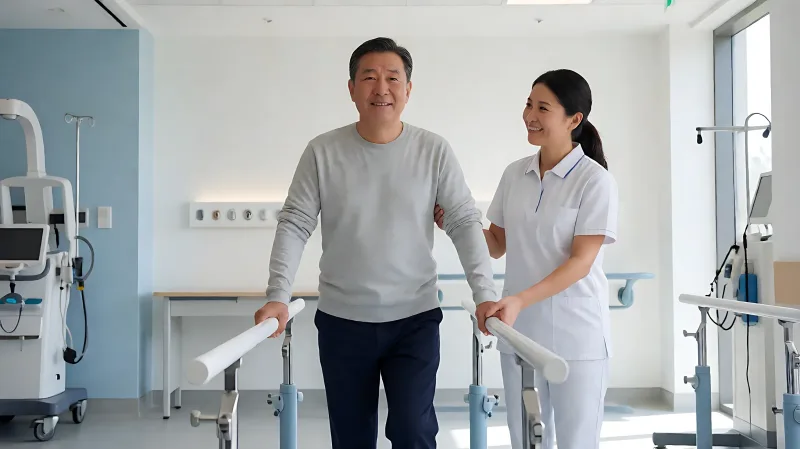
Stroke recovery is a gradual process with no single timeline. This guide breaks down the key phases from initial hospitalization to long-term adaptation, helping you understand what to expect at each step.
Stroke recovery is a unique journey for every individual, typically peaking in progress during the first three months. The timeline varies based on stroke severity, age, and overall health. Most people enter inpatient rehabilitation shortly after stabilization, aiming to regain independence in daily activities through intensive physical, occupational, and speech therapy.
For more information, see CDC stroke information from the CDC.
What are the immediate steps after a stroke?
The first phase is acute care, where the primary goal is stabilization. Patients are admitted to an emergency department or intensive care unit to manage the immediate effects of the stroke. If the stroke is ischemic, meaning it is caused by a blood clot, rapid treatment with clot-busting medication can significantly reduce long-term damage. According to experts at Johns Hopkins Medicine, rehabilitation often begins around 24 hours after the stroke is treated, provided the patient is medically stable.
During this initial period, a multidisciplinary team including physiatrists, neurologists, and therapists assesses the extent of the injury. Therapy may start as early as the first day, with sessions occurring multiple times a day. This early intervention is crucial for jump-starting the brain's natural healing processes.
How long does the hospital stay last?
The typical hospital stay after a stroke is five to seven days. During this time, the medical team evaluates cognitive, physical, and emotional impacts to design a personalized rehabilitation plan. Common symptoms identified during this phase include memory problems, weakness, difficulty swallowing, and emotional changes like depression. The discharge plan depends on the patient's functional impairment level. Those who can tolerate three hours of therapy per day may move to an inpatient rehabilitation facility, while others requiring a slower pace may go to subacute care. Some patients with family support and good function at home may go directly home with outpatient therapy.
What happens during the first three months post-stroke?
The first three months are considered the critical recovery period. This is when the most noticeable improvements usually occur as the brain adapts and regains function. Most patients complete an inpatient rehabilitation program or make significant progress in outpatient sessions during this window. The brain exhibits a phenomenon called spontaneous recovery, where skills that seemed lost begin to return as neural pathways reorganize.
Goals during this phase focus on activities of daily living, such as bathing, dressing, and preparing food. Therapists also teach compensatory strategies, such as learning to use the stronger hand for tasks the weaker hand cannot yet perform. While progress is rapid, setbacks like infections or fatigue can slow the process. It is vital to maintain consistency with therapy sessions to maximize gains during this synergistic window of natural recovery and rehabilitation efforts.
What is the timeline for long-term recovery?
Recovery continues beyond the three-month mark, although the pace typically slows down after six months. There is no expiration date for stroke recovery; improvements can occur for years with ongoing therapy and lifestyle adjustments. The long-term phase focuses on consolidating gains, preventing secondary complications, and adapting to new normalcy. Patients may continue to work with psychologists and neuropsychologists to address cognitive and emotional challenges. Emerging treatments, such as noninvasive brain stimulation and technology-assisted rehabilitation, are also being explored to enhance these later stages of recovery.
How do therapists determine progress during rehabilitation?
Progress is measured by a patient's ability to perform functional tasks independently. Physical therapists assess mobility and strength, while occupational therapists evaluate the ability to manage daily chores and personal care. Speech-language pathologists monitor communication and swallowing safety. The team meets regularly to adjust goals, ensuring that therapy remains relevant and challenging. It is important to note that recovery is not linear; plateaus and setbacks are common. Consistency in home exercises and attending scheduled appointments remains the most significant factor in long-term outcomes.
Frequently Asked Questions
How fast is stroke recovery?
The fastest progress typically happens in the first three months. However, recovery is a lifelong process. Some people continue to make gains for years after the initial injury, especially with consistent therapy and lifestyle changes.
Can everyone recover from a stroke?
Every patient’s prognosis is different. Factors such as age, stroke severity, and the part of the brain affected play major roles. While some may recover fully, others may need to adapt with new strategies or assistive devices.
What is the role of family in recovery?
Family support is crucial. Caregivers help with home exercises, provide emotional encouragement, and assist with daily tasks. Many patients can return home once they can perform most daily activities with support or if family can assist with those specific needs.
When can I return to work after a stroke?
Returning to work depends on the type of stroke and the individual’s cognitive and physical recovery. It usually requires a comprehensive evaluation by the medical team. Many people return to modified duties or different roles within six months to a year, but this varies greatly by individual capacity.
Do new treatments help with stroke recovery?
Yes, innovations like noninvasive brain stimulation and robotics are being used to supplement traditional therapy. These tools can target specific muscle groups or brain regions to enhance the effects of physical and occupational therapy, particularly for patients who have hit a plateau.